
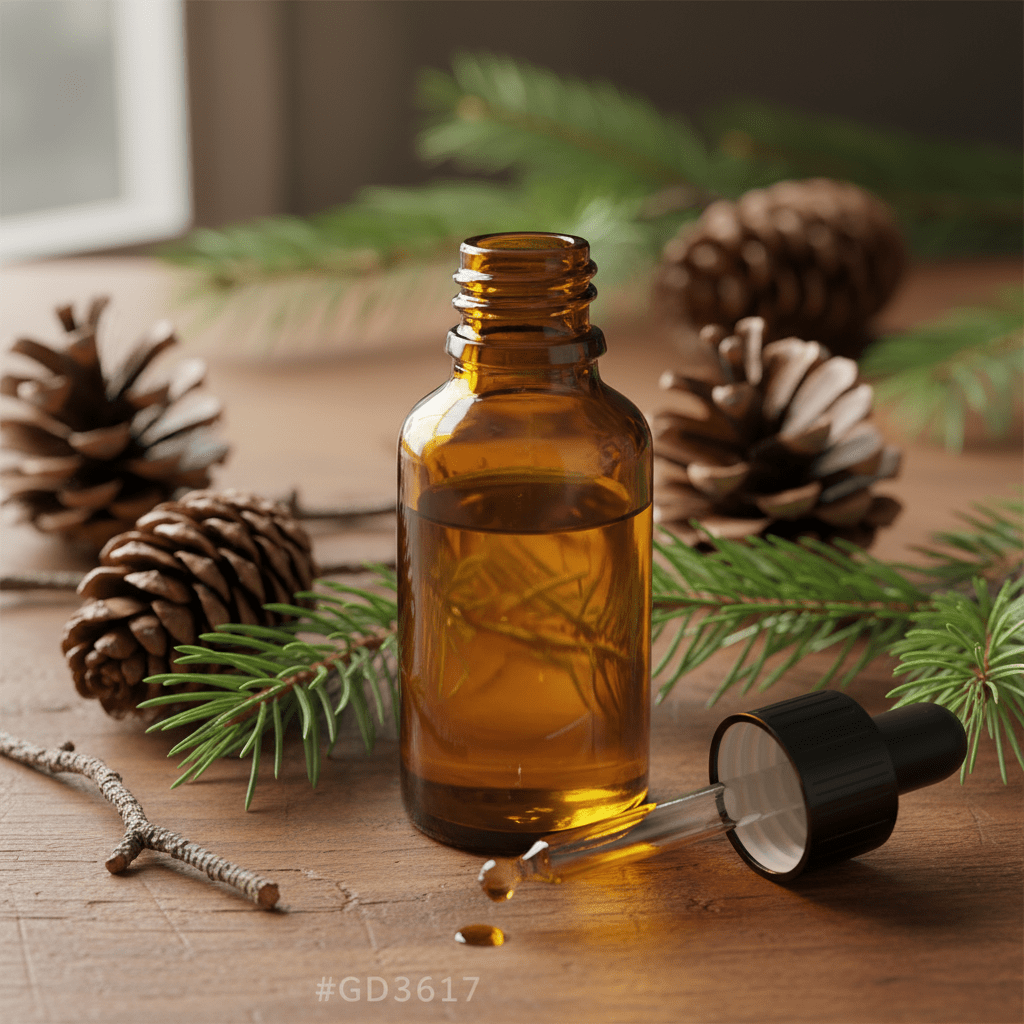
Beyond the Fresh Scent: Unlocking the Disinfecting Power of Pine Oil
You know that moment when you finish cleaning the kitchen, take a deep breath, and… cough?
Yeah. The “clean” smell shouldn’t make your eyes water.
We’ve all been stuck in that weird middle ground. You want a home that is safe and germ-free. But you also don’t want to drench your counters in bleach or synthetic chemicals that feel unsafe for your family or pets.
It’s a struggle so many of us face. We want the clean without the headache.
But here is something interesting. Pine oil is way more than just that classic “forest fresh” scent you see on cheap floor cleaner labels. It actually works.
When you get the real stuff—specifically high-quality oil rich in something called alpha-terpineol—it has incredible natural disinfectant properties. We aren’t just talking about wiping away dust. Studies show that genuine pine oil can actively fight against serious household bad guys like E. coli and Salmonella.
It’s no wonder people are ditching the harsh stuff. In fact, the market for natural household cleaners hit a massive USD 6.97 billion in 2024. We are collectively waking up to the idea that “strong” cleaning doesn’t have to mean “toxic.”
Ready to swap the chemical fumes for a potent pine oil disinfectant that actually works? Let’s break down exactly how to do it safely.
What Exactly Is Pine Oil? Understanding Its Natural Origins and Composition
Okay, let’s get one thing straight before we go any further.
When I talk about pine oil, I’m not talking about that neon-green liquid you buy at the dollar store that smells vaguely like a car air freshener. That stuff? It’s usually mostly water, soap, and synthetic perfume.
Real pine oil is a whole different beast.
It’s an essential oil that comes directly from the needles, twigs, and cones of pine trees. Through a process called steam distillation (which is basically just steaming the plants until they release their oils), we get a potent, amber-colored liquid.

And this is where the magic happens.
The Secret Ingredient: Alpha-Terpineol
The reason pine oil works so well isn’t magic, though. It’s chemistry. But don’t worry, we’ll keep it simple.
The power comes from a compound called alpha-terpineol.
Think of alpha-terpineol as the muscle. While the other parts of the oil give it that fresh, woodsy smell we love, this specific component is what actually breaks down bacteria and fungi. High-quality pine oil is loaded with it—usually between 50% to 70%.
If your bottle doesn’t have enough of this, you’re basically just making your house smell nice while the germs stay put.
Real vs. “Pine Scented”
This is where a lot of us get tricked. Big brands know we love the smell of pine because it signals “clean.” So, they make “pine-scented” cleaners that often contain zero actual pine oil.
Here is a quick way to spot the difference:
| Real Pine Essential Oil | “Pine-Scented” Cleaners |
|---|---|
| Contains 50-70% Alpha-Terpineol | Mostly water & synthetic fragrance |
| Disinfects naturally | Cleans surface dirt only |
| Strong, earthy smell | Artificial, sweet chemical smell |
| Need to dilute it yourself | Ready to pour (mostly water) |
It’s no surprise that people are starting to check the labels more closely. The push for real, green cleaning is huge, with some experts projecting the natural cleaner market to reach USD 7.34 billion by 2025.
We are voting with our wallets. We want ingredients that come from a tree, not a lab tank.
So, if you get your hands on the real stuff—like the pure, lab-tested oils folks like Aroma Monk supply to manufacturers—you aren’t just cleaning. You’re using a concentrated power tool from nature.
The Science of Clean: How Pine Oil Disinfectant Kills Germs
So, it creates a nice smell. That’s great. But when you are wiping down a cutting board that had raw chicken on it, “nice smells” aren’t enough.
You need to know if it actually kills the gross stuff.
It’s a fair question. We’ve been trained to think that if it doesn’t burn our nose hairs or bleach our clothes, it’s not really cleaning.
But here is the thing about pine oil disinfectant—it’s deceptively powerful.
How It Destroys Germs (The “Pop” Effect)
Remember that alpha-terpineol we talked about? It doesn’t just sit there looking pretty.
Scientists have found that the compounds in pine oil work by attacking the “armor” of bacteria. Most bacteria and viruses are held together by a lipid (fatty) membrane.
Think of a water balloon. The rubber holds the water in.
When a pine oil antimicrobial cleaner hits that cell, it dissolves the lipid membrane. It’s like taking a pin to that water balloon. Pop. The cell wall breaks down, the insides spill out, and the germ dies.
The Hit List: What Pine Oil Actually Kills
I used to think natural cleaners were only good for light dusting.
I was wrong.
Research has tested pine essential oils against some of the nastiest household pathogens, and the results are honestly surprising. Here is what the natural disinfectant properties of pine can handle:
- Foodborne Illnesses: Nobody messes around with E. coli or Salmonella. But studies found that pine oils (specifically from species like Pinus densiflora) showed strong antibacterial activity against these stomach-turning bugs. One study explicitly highlighted its ability to inhibit E. coli, which is notoriously tough to kill.
- Staph Infections: You’ve probably heard of Staphylococcus aureus (Staph). It hangs out on skin and surfaces. Research indicates that components in pine oil, especially when rich in alpha-terpineol, are effective against it. Some tests even showed promise against tougher strains like MRSA.
- Mold and Mildew: This is where pine oil really shines. It fights fungi like Candida and household molds. That’s why your grandmother probably used it in the damp corners of the bathroom.
For the science buffs who want the proof, you can read more about the antibacterial activity of pine oils in this detailed study analysis.
Just a Heads Up on Viruses
I want to be transparent with you. I’m not here to sell you snake oil.
While pine oil is fantastic against bacteria and fungi (yeast/mold), it’s not a nuclear bomb for every single virus on the planet. Bleach is still the heavy hitter for things like Norovirus.
But for daily cleaning? Is pine oil antibacterial enough to keep your kitchen safe? Absolutely.
The Quality Matters
The catch? All those studies used real pine oil.
If you are using a cleaner with 1% pine oil and 99% water and perfume, you aren’t going to get these results. This is why manufacturers who care about efficacy turn to suppliers like Aroma Monk. They source the 100% pure, lab-tested oils that actually contain the chemical components needed to break those bacterial cell walls.
So, we know it works. Now, let’s figure out how to actually use it without ruining your furniture.
More Than a Disinfectant: The Top 5 Benefits of Cleaning with Pine Oil
So, we know it works on germs. We established that.
But if you are running a business or just managing a chaotic house, you need more than just “dead germs.” You need a cleaner that pulls its weight.
If you have ever scrubbed a sticky floor until your arms hurt, you know what I mean. You want something that makes the job easier.

Here is why swapping to pine oil disinfectant is actually an upgrade for your daily routine, not just a “green” compromise.
1. It Stops the Stink (For Real)
You know how some cleaners smell like fake flowers, trying to cover up a trash can? That is because they are just masking the odor.
Pine oil antimicrobial properties work differently. Because it kills the bacteria that cause the bad smells, you aren’t just covering them up. You are eliminating them. That woodsy scent left behind? That is the smell of a genuinely clean surface.
2. It Melts Grease Like Butter
This is my favorite part.
Pine oil is a natural solvent. If you have ever tried to clean a stovetop that has bacon grease splattered on it, you know water and soap just smear it around.
Essential pine oil cuts right through that sticky residue. It lifts the grime off the surface so you can wipe it away without scrubbing for twenty minutes.
3. Bugs Hate It
Funny enough, while we love the smell of pine forests, ants and other creepy crawlies absolutely hate it.
It works as a natural deterrent. If you wipe down your baseboards or entryways with a safe cleaning with pine oil solution, you are basically putting up a “Do Not Enter” sign for pests. It’s a nice bonus that you don’t get with bleach.
4. It’s Safer for the Planet
We talked about the market growing, and here is why. People are tired of pouring toxic sludge down the drain.
Bleach creates harsh chemical by-products that hang around in the water supply. Pine oil? It’s biodegradable. Since it comes from a plant, it breaks down naturally.
According to environmental reports, using bio-based cleaners helps reduce the chemical load on our water treatment plants, making it a smarter choice for the long haul. You can read more about the green impact of pine versus chemicals in this environmental comparison.
5. It Saves You Serious Money
Here is a secret that big cleaning companies don’t want you to know.
When you buy a standard spray bottle of cleaner, you are mostly paying for water and a plastic bottle.
When you buy pure pine essential oil for cleaning, you are getting the concentrated active ingredient. You mix it yourself.
Typical guidance suggests using about 1/4 cup of pine oil per gallon of water for general cleaning. That means one small bottle of high-quality oil from a supplier like Aroma Monk can create gallons of cleaning solution. It is way cheaper per use than buying those pre-mixed spray bottles every week.
Just make sure you dilute it right—too strong isn’t always better!
Get a quote from Aroma Monk.
Essential Oil Supplier – Bulk pricing • Samples • Fast response
The Practical Guide: How to Safely Use Pine Oil for Cleaning and Disinfection
Okay, this is the fun part. We know why it works. Now let’s talk about how to actually use it without turning your kitchen into a chemistry lab experiment gone wrong.
Making your own DIY pine cleaner is actually pretty simple. You don’t need fancy equipment. You mainly need a good bottle, some water, and common sense.
I admit, the first time I mixed my own cleaner, I felt a bit nervous. Was I doing it right? But once you get the hang of the ratios, it’s honestly satisfying.

Here are three recipes to get you started.
1. The Everyday All-Purpose Spray
This is your go-to for counters, sinks, and garbage cans.
- The Mix: Get a 16 oz glass spray bottle.
- Add: 1 cup of warm water.
- Add: 1 cup of white vinegar (helps with grease).
- Add: 1 teaspoon of liquid dish soap (this helps the oil and water mix).
- Add: 15-20 drops of pine essential oil.
Shake it up before every use. Since oil floats, you need to make sure it mixes in properly each time you spray.
2. The Heavy-Duty Floor Cleaner
If you have tile, vinyl, or sealed hardwood, this is a game-changer. But remember—only use this on sealed floors!
- The Mix: Fill a bucket with 1 gallon of hot water.
- Add: 1/4 cup of pine essential oil for cleaning.
- Add: A squirt of liquid castile soap.
For really dirty floors, some commercial guidance suggests you can go stronger, but 1/4 cup is usually plenty to sanitize without leaving a sticky mess.
3. The Gritty Bathroom Scrub
For disinfecting grout or scrubbing the tub.
- The Mix: In a small bowl, pour 1/2 cup of baking soda.
- Add: Just enough water to make a paste.
- Add: 10 drops of pine oil.
Scrub it onto the surface, let it sit for ten minutes, then rinse. Your bathroom will smell like a spa.
Important: Don’t Ruin Your Stuff
Before you go spraying everything in sight, we need to pause.
Pine oil is a solvent. That means it can eat through certain finishes. You should never use it on:
- Unsealed wood (it penetrates and stains)
- Waxed floors (it strips the wax)
- Natural stone like marble (it can etch the surface)
It’s always smart to do a “patch test” first. Find a tiny spot in a corner that nobody sees. Put a drop of your diluted solution there. Wait 20 minutes. If the surface looks funny or feels sticky, don’t use it there. You can learn more about surfaces to avoid here.
The “Cat Warning” (Please Read This)
I need to be super serious for a second.
If you have cats, you need to be extremely careful with pine oil. Actually, with many essential oils.
Here is the deal. Cats are missing a specific liver enzyme called glucuronyl transferase. Because they lack this enzyme, they cannot break down the compounds in pine oil. If they walk on a wet floor, get the oil on their paws, and then lick it off… it can be toxic.
Symptoms can include drooling, wobbling, or even liver failure. It’s scary stuff. So if you have kitties, keep them out of the room until everything is completely dry, or stick to other cleaners. Dogs are usually fine, but cats are at high risk.
Safety First
Even for us humans, pure pine oil is strong. Always wear gloves when you are mixing the concentrate. It can irritate your skin if you touch it directly. Also, crack a window. The fumes are natural, but they are potent. Good ventilation is key to keeping your cleaning session pleasant, not overwhelming.
Pine Oil vs. The Competition: A Head-to-Head Comparison
We have all stood in that cleaning aisle. It is overwhelming.
On one side, you have the industrial jugs that smell like a swimming pool. On the other, you have twelve different “eco-friendly” sprays that cost a fortune. And then there is the vinegar crowd.
Where does pine oil fit in? Let’s put it in the ring against the heavy hitters.
Round 1: Pine Oil vs. Bleach
Bleach is the nuclear option. There is no denying it works. It kills pretty much everything.
But at what cost?
If you have ever accidentally splashed bleach on your favorite shirt, you know the pain. Plus, the fumes can be harsh. Pine oil is different. It handles common household bacteria like Staph without burning your nose hairs.
Also, think about the drain. Bleach creates harsh chemical by-products that linger in water systems. Because pine oil comes from a tree, it is biodegradable. Reports on environmental comparisons highlight how bio-based cleaners break down faster, which is a huge win for aquatic life.
Round 2: Pine Oil vs. Vinegar
I love vinegar for cleaning windows. It eats through hard water stains like magic.
But here is a hard truth: Vinegar is not a disinfectant.
I know. The internet says it is. But the EPA does not recognize vinegar as a disinfectant because it doesn’t kill 99.9% of germs reliably or quickly. It is basically just an acid that removes dirt.
You might ask, is pine oil antibacterial enough compared to vinegar? Absolutely.
This is where pine oil antimicrobial power steps up. Those terpenes actually destroy the cell walls of bacteria. If you want to sanitize a toilet or a counter after a mess, vinegar isn’t enough. You need the terpineol disinfectant properties found in real pine oil to get the job done.
Round 3: Pine Oil vs. “Green” Store Cleaners
You have seen the fancy bottles. They have pictures of leaves on them and cost $8.00.
Here is the secret: Most of them are just water, soap, and a tiny drop of fragrance.
When you buy a commercial “natural” cleaner, you are paying for the plastic bottle and the shipping weight of the water. This is why the DIY pine cleaner approach is smarter.
When you source high-quality pine essential oil for cleaning—like the pure oils from manufacturers like Aroma Monk—you get the concentrated active ingredient.
- Transparency: You know exactly what is in your bucket. No hidden preservatives.
- Cost: One small bottle of concentrate makes dozens of gallons of cleaner.
- Power: You control the dilution.
So, if you are tired of overpaying for water or choking on chemical fumes, pine oil is the sweet spot. It balances power with safety.
Embrace Natural Power: Making Pine Oil Your Go-To Disinfectant
Look, we have covered a lot.
We went from wondering if pine oil disinfectant actually works to learning about the science behind it. And the verdict is pretty clear. This isn’t just about making your home smell like a forest (though that is a nice perk).
It is about effective, safe cleaning with pine oil.
We are seeing a massive shift right now. The data shows companies and families are moving away from harsh chemicals, with the natural cleaning market hitting USD 6.97 billion in 2024. We are smarter about what we bring into our homes.
Why? Because pine essential oil for cleaning checks every box:
- It fights serious germs (thanks to that terpineol disinfectant power).
- It cuts through grease better than most soapy waters.
- It saves you money since you mix it yourself.
- It is kinder to the planet than bleach.
If you are a business looking to create your own line of cleaners, or you just need bulk supplies of the real stuff, you need a partner who understands purity. Suppliers like Aroma Monk ensure you get the lab-tested, 100% pure oil needed to actually get these results.
So, here is my challenge to you.
Don’t just read about natural disinfectant properties. Go grab a spray bottle. Mix up that simple all-purpose DIY pine cleaner recipe we talked about. Spray down your kitchen counter.
Once you see how shiny it gets—and how fresh the room smells without making you cough—you won’t go back to the chemical aisle.
Go ahead. Give it a try. Your home will thank you.
Get a quote from Aroma Monk.
Essential Oil Supplier – Bulk pricing • Samples • Fast response