
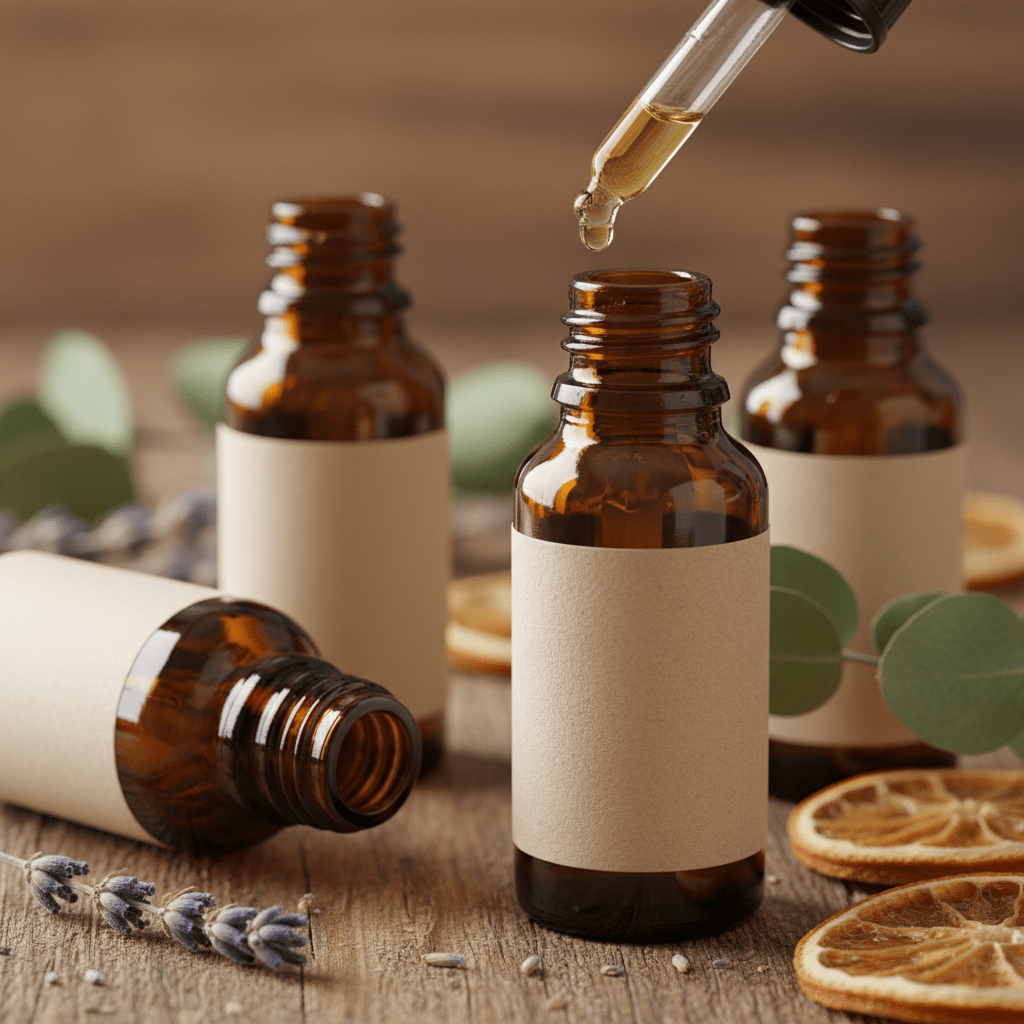
Embracing Natural Wellness: Your Journey with Essential Oils Starts Here
You know that feeling when you just want to feel better, but you don’t want to swallow another pill? You aren’t the only one looking for natural answers. Actually, the wellness market is massive right now—it hit $6.8 trillion in 2024 Global Wellness Institute press release. That is a huge jump from last year.
It seems like everyone is turning to nature to fix their stress.
But let’s be honest. It can be super confusing. You stand in the aisle looking at tiny brown bottles, wondering if “Lavender” is different from “Lavender 40/42” or if you can really put it on your skin. It scares a lot of people off. I’ve been there too, staring at a label and wondering if I’m about to make a mistake.
That’s why we wrote this. Think of this as your simple, no-nonsense map to plant therapy essential oils. We aren’t just going to list smells. We represent a community that cares about quality, so we are going to build a real essential oil daily routine that fits your life. From waking up tired to stressing out at work, we have a plan for that.
Plus, we are going to talk about safe essential oil usage so you don’t have to worry about hurting yourself or your family.
Ready to get started?
The Foundation: What Are Essential Oils and Why Purity is Non-Negotiable
Ever peeled a tangerine and felt that misty zest spray onto your thumbs? And then your hands smell amazing for like, an hour?
That isn’t just fruit juice. That is the essential oil.
Basically, essential oils are the plant’s own defense system. They are these super concentrated compounds—often 50 to 100 times stronger than the plant itself—that keep bugs away and help the plant heal. When we bottle that up, we get a powerful tool for our own wellness.
But here is the thing (and it’s kind of a big deal).
Not everything in a little brown bottle is the real deal.
Since essential oils are popular, a lot of companies cut corners. They might sell “fragrance oils” that are made in a lab. Sure, they smell like lavender, but they are just chemical perfumes. Putting synthetic stuff on your skin can actually cause rashes, headaches, or even throw off your hormones. It’s the opposite of safe essential oil usage.
So, if you want real results, purity isn’t just nice to have. It’s non-negotiable.
But how do you know? You can’t just trust the label because words like “natural” aren’t strictly regulated. You need proof.
The gold standard for checking essential oil quality is a test called GC/MS. That stands for Gas Chromatography/Mass Spectrometry. A mouthful, I know. But think of it as a fingerprint test for the oil. A GC/MS report provides a chemical fingerprint that proves the oil is pure and spots if any nasty fillers were snuck in.
Whether you are grabbing a bottle for your home or you are a business sourcing bulk natural oils from suppliers like Aroma Monk, this testing is the only way to be 100% sure of what you are getting.
This brings us to Plant Therapy essential oils. One reason they are a go-to for so many families is that they don’t hide this stuff. They post batch-specific reports right online. You can literally look up the bottle in your hand.
Plus, they have a team of certified aromatherapists who created their specific “KidSafe” line. As a parent, that is huge. It takes the guesswork out of which oils are safe for the little ones and which ones are too strong.
When you start with pure ingredients, you aren’t just making your room smell nice. You are building a foundation for real health changes.

The Three Pillars of Application: How to Use Essential Oils Safely and Effectively
So, you have your bottle of pure oil. Maybe you checked the test results we talked about earlier. Now, what do you actually do with it?
This is where the fun starts.
But it is also where people get into trouble. I’ve seen people dumping half a bottle into a bath (ouch) or putting undiluted oil right on a bug bite (double ouch).
To keep things simple and ensure safe essential oil usage, we break this down into three main pillars. Stick to these, and you will be fine.
Pillar 1: Aromatic Use (Smelling It)
This is the most common way to use oils. And it works fast.
When you breathe in an oil, the scent travels straight to your brain. In fact, some studies show that smelling certain oils like lemon or peppermint at night can improve memory by 226% in older adults. Crazy, right?
Here are three easy ways to do it:
- The Diffuser: This is the easiest method. Add water and 3-5 drops of oil. Turn it on. That’s it. But here is the trick: don’t run it all day. Your nose gets “blind” to the smell after a while. Plus, running it too long can irritate your lungs. Try diffusing for 30 to 60 minutes, then turn it off for an hour.
- Palm Inhalation: Need a quick boost? Put one drop of oil in your palm. Rub your hands together, cup them over your nose (but don’t touch your eyes!), and take three deep breaths. This is great for stress.
- Personal Inhalers: These look like lip balm tubes. You put a few drops on a cotton wick inside. They are great because you don’t bother the person sitting next to you.
Pillar 2: Topical Use (On Your Skin)
Topical essential oil usage is amazing for muscles and skin care. But there is one golden rule: Never put essential oils straight on your skin.
We call that using it “neat,” and it burns.
Essential oils are super concentrated. To use them safely, you need a “carrier oil.” This is a vegetable oil that dilutes the strong stuff and helps your skin absorb it. Good options include Jojoba oil (which feels like natural skin oil), Almond oil, or even Grapeseed oil.
If you are a business owner mixing products, or just making lots of rollerbottles at home, sourcing high-quality carrier oils is just as important as the scents themselves. Suppliers like Aroma Monk provide these in bulk so your base is as pure as your active ingredients.
How much do you mix?
- For Adults: Use a 2-3% dilution. That is about 6-9 drops of essential oil for every tablespoon of carrier oil.
- For Kids/Sensitive Skin: Stick to 1% or less. That is just 3 drops per tablespoon.
- Where to put it: Wrists, temples, back of the neck, or on sore muscles.
Always do a patch test first. Put a tiny bit of the diluted mix on your arm and wait 24 hours to see if you get a red spot.
Pillar 3: Internal Use (The Big No-No)
You might see people on social media putting drops of lemon oil in their water.
Please don’t do this.
Here is why: Oil and water don’t mix. The oil just floats on top. When you drink it, that concentrated oil hits your lips and throat full strength. It can burn your mucous membranes inside your body just like it burns your skin.
Most certified aromatherapists agree that you should avoid internal use unless a doctor is supervising you. It simply isn’t worth the risk when inhaling them or putting them on your skin works so well.
Crafting Your Morning Ritual: Energize and Set Your Intention for the Day
You know that feeling when the alarm goes off and you just… stare at the ceiling?
We’ve all been there. It’s hard to get going. The bed is warm, the floor is cold, and your to-do list is already a mile long. But what if you could hack your morning mood in about 30 seconds?
Incorporating plant therapy essential oils into your morning isn’t about adding more chores to your routine. It’s about setting a vibe that carries you through the chaos.
Step 1: Wake Up Your Brain
While the coffee is brewing, get that diffuser going.
We want bright, sunny smells here to signal to your body that it’s time to move. Think Lemon, Sweet Orange, or Peppermint. Actually, there is real science behind this. One study found that smelling certain scents like peppermint and citrus at night improved cognitive performance by a massive 226% in older adults.
Imagine what that kind of brain boost could do for your morning Zoom call.
Try this “Liquid Sunshine” blend:
- 3 drops Sweet Orange
- 2 drops Peppermint
Step 2: The Skincare Boost
Next, head to the bathroom. You don’t need a fancy 10-step spa routine to see results. Just add a single drop of essential oil to your normal face wash or moisturizer right in your hand.
- Frankincense: This is the heavy hitter for skin health. It’s great for that “I got 8 hours of sleep” glow (even if you definitely didn’t).
- Tea Tree: Perfect if a surprise blemish popped up overnight. It helps keep things clear.
Just remember the golden rule we talked about earlier regarding safe essential oil usage: dilution is key. One drop acts like a potent booster, but don’t overdo it.
Step 3: The Focus Roller
Before you sit down at your desk (or the kitchen table), let’s get focused. I like to keep a generic “Focus Roller” in my bag or on my desk.
A mix of Rosemary and Basil is incredible for cutting through brain fog.
If you are just making one for yourself, a small 10ml roller bottle works great. But here’s a thought for the business owners reading this—maybe you are crafting these rollers to sell in your own shop. If that’s the case, sourcing matters. You can’t build a reputation on subpar ingredients. Suppliers like Aroma Monk are vital here, providing that bulk access to certified pure oils so you can trust exactly what goes into your final product formulation.
It might seem like small stuff. A drop here, a diffuser session there.
But the impact builds up. As author James Clear puts it, “Small habits don’t add up. They compound.”
Start with one of these simple swaps tomorrow morning and see if the day doesn’t feel just a little bit brighter.

Get a quote from Aroma Monk.
Essential Oil Supplier – Bulk pricing • Samples • Fast response
Navigating Your Day: Midday Focus, Stress Relief, and On-the-Go Solutions
It’s 2:00 PM. You just ate lunch. Your inbox is full. And your brain feels like mush.
We call this the midday slump.
Usually, this is when we reach for a second (or third) coffee. But that often leads to jitters and a crash later. Instead, let’s look at using essential oils at home or the office to get back on track.
But wait—you can’t exactly run a misty diffuser in the middle of a cubicle farm. Your coworkers won’t love you for it.
This is where “personal aromatherapy” comes in.
Portable Peace: The Personal Inhaler
Remember those little plastic inhalers mentioned earlier? They are the secret weapon for on-the-go wellness. They are discreet, cheap, and they keep the scent just for you.
And they work fast.
One study found that using personal inhalers targeted for specific needs could even reduce feelings of nausea and anxiety by nearly 50% in clinical settings.
If you are feeling overwhelmed, keep an inhaler with a “Stress Relief” mix in your pocket.
The Best Essential Oils for Stress
When the pressure hits, you want oils that calm the nervous system without putting you to sleep.
- Lavender: It’s the classic for a reason. Research shows breathing it in can significantly reduce stress and anxiety. It physically calms your body down.
- Bergamot: This creates a sunny, uplifting vibe. It helps push away those heavy, gray clouds of stress.
- Ylang Ylang: A flowery scent that is great for balancing emotions.
Try this quick reset:
Put a drop of Lavender on a tissue (or use your inhaler). Close your eyes. Breathe in for 4 seconds. Hold it for 4. Breathe out for 4. Do this three times. It sounds too simple, but it tells your brain effectively: “We are safe.”
Focus Blends for the Grind
If stress isn’t the problem, but distraction is, you need clarity.
You can try mixing your own, but sometimes it is easier to grab a pre-made synergy blend. Plant Therapy essential oils has a couple of famous ones:
- Brain Aid: This is a mix of citrus and mints designed to wake up a tired mind.
- Study Time: Safe for kids and adults, this helps filter out the noise so you can finish that report.
A Note for the Makers:
If you aren’t just buying oils but making these kinds of anxiety or focus rollers for your own shop, your ingredients matter. You can’t make a premium stress-relief product with low-grade oil.
For the business owners out there, sourcing bulk essential oils from certified suppliers like Aroma Monk ensures you start with pure, potent ingredients. Whether you are crafting a competitor to “Brain Aid” or your own signature scent, quality is what brings customers back.
Using these tools midday doesn’t just help you survive until 5 PM. It helps you actually enjoy the afternoon.
Winding Down: Creating a Restful Evening and Bedtime Routine
It’s 10:00 PM. You’re exhausted. But the second your head hits the pillow, your brain decides it’s time to replay every awkward conversation you’ve had since 2012.
We need to tell your body it’s time to sleep.
Creating an essential oil daily routine isn’t complete without a nightcap (the aromatic kind, not the drinking kind). This is about building a sensory bridge between your busy day and deep sleep.
The Sleep Sanctuary Diffuser Blend
About 30 minutes before bed, turn on your diffuser in the bedroom. You want to walk into a room that smells like peace.
While Lavender is the famous choice—and for good reason, since studies show it improves sleep quality and duration—it isn’t the only option. Actually, mixing it with heavier, woodsy oils can ground you faster.
Try these heavy hitters for sleep:
- Cedarwood: It smells like a warm log cabin. It’s very grounding.
- Roman Chamomile: This has a sweet, apple-like scent. It’s incredibly soothing for restless minds.
- Vetiver: Think of this as the heavy blanket of oils. It’s thick, earthy, and deep.
One of the main benefits of diffusing essential oils at night is that it works passively. You don’t have to do anything except breathe.

The “Tub Trick” (Read This Before Your Next Bath)
Taking a hot bath with oils sounds dreamy. But if you do it wrong, it’s a nightmare.
Here is the science bit: Oil and water do not mix. If you drop essential oil straight into your tub, it floats in a little puddle on top of the hot water. When you get in, that puddle sticks to your sensitive skin. And it burns.
To practice safe essential oil usage in the bath, you need a carrier.
Mix 5-10 drops of your sleep blend into a tablespoon of carrier oil (like Jojoba) or a high-fat milk before you pour it into the bath. If you are a business owner formulation bath products, you’ll want to use a professional emulsifier like Polysorbate 80 to ensure the oil disperses perfectly throughout the water.
For the home DIYer, mixing the oil with a cup of Epsom salts and a tablespoon of carrier oil is a great way to create a relaxing soak.
DIY Pillow Mist
If you don’t want to run a diffuser all night, a pillow spray is a great alternative. It’s surprisingly easy to make.
You’ll need:
- A small 2oz glass spray bottle
- 1 tablespoon of Witch Hazel or Vodka (this helps the oil mix with the water)
- Distilled water
- 10 drops Lavender
- 10 drops Cedarwood
Mix the alcohol and oils first, let them sit for a minute, then top up with water. Shake it before every spray.
(Pro tip for the makers out there: If you are crafting these sprays to sell, quality consistency is everything. Sourcing your bulk oils from a certified supplier like Aroma Monk ensures that every bottle of spray you sell smells just as potent as the last one.)
Putting It All Together
We’ve covered a lot. From waking up with citrus to focusing with peppermint and winding down with cedarwood.
It might seem like a lot of steps, but remember, you don’t have to do it all. Pick one thing. Maybe just the morning diffuser. Or just the night spray.
As the author James Clear says about habits, “Small habits don’t add up. They compound.”
Start small. Use plant therapy essential oils to create little moments of joy in your day. Before you know it, you won’t just smell better—you’ll feel better too.
Beyond Personal Care: Integrating Essential Oils into Your Healthy Home
You smell that?
No, not the coffee. I’m talking about that sharp chemical smell left behind after scrubbing the counter. Bleach gives me a headache almost instantly.
We spend so much time worrying about what we put on our bodies, but using essential oils at home helps us control what we breathe inside our safe spaces too.
Let’s swap the toxic stuff for something fresh. You can make an amazing all-purpose cleaner for pennies.
Here is a simple recipe that actually works:
- 1 cup distilled water
- 1 cup white vinegar
- 15 drops Lemon or Tea Tree oil
Shake it up in a glass spray bottle.
Why glass? This is important. Essential oils are powerful solvents. Oils like lemon can actually eat through certain plastics like PVC or polystyrene over time, warping your bottle and leaking chemicals into your cleaner. Different oils affect plastics differently, so sticking to glass is the safest bet.

This combo doesn’t just smell good. It cleans hard.
Three Lazy Hacks for a Better Smelling Home
I love a good shortcut. Here are three simple natural wellness tips that take almost zero effort:
- Wool Dryer Balls: Ditch the synthetic dryer sheets. Put 3 drops of Lavender on a wool ball and toss it in the dryer. Your clothes come out smelling soft and real, not like “Fake Spring Breeze.”
- The Furnace Trick: Next time you change your air filter, put a few drops of Pine or Eucalyptus right on the filter material. Every time the heat or AC kicks on, your whole house smells like a forest.
- Carpet refresher: Mix a cup of baking soda with 10 drops of Lemon. Sprinkle it on that questionable spot on the rug, wait 15 minutes, then vacuum it up.
A Note for the Business Owners
If you are mixing up batches of these green cleaners or carpet powders to sell, consistency is your best friend. You can’t build a brand on successful batches one week and weak ones the next. Sourcing bulk oils from Aroma Monk ensures you are starting with lab-tested, pure ingredients every single time. It makes your product quality undeniable.
Clear the Air
Finally, let’s talk about odors. Burnt toast? Wet dog?
Don’t just mask it with heavy perfume sprays. One of the main benefits of diffusing essential oils reasons like Eucalyptus or a “Germ Fighter” blend is that they help neutralize odors in the air.
It makes your home feel cleaner, lighter, and safer.
Your Wellness Journey, One Drop at a Time
Okay, take a deep breath. We just covered a lot.
From waking up your brain with citrus to scrubbing your counters with tea tree, it’s easy to feel like you have to do everything at once. But you don’t.
Actually, trying to do too much is the fastest way to quit.
The best essential oil daily routine is the one you actually stick to.
The wellness industry is booming—growing almost 8% in the last year alone according to the Global Wellness Institute—because we are all craving something real. But real change takes time.
So here is my challenge to you:
Pick just one thing from this guide.
Maybe it’s the morning diffuser. Maybe it’s the wool dryer balls. Try it for a week. See how you feel.
And a quick reminder for the makers and entrepreneurs reading this: If you are building products for people’s homes, quality is your legacy. Sourcing certified ingredients from Aroma Monk ensures you aren’t just selling a smell—you’re selling safety.
For everyone else, whether you grab a starter kit or just a bottle of lemon, trust the process.
This is your journey. And it happens one drop at a time.
Get a quote from Aroma Monk.
Essential Oil Supplier – Bulk pricing • Samples • Fast response