
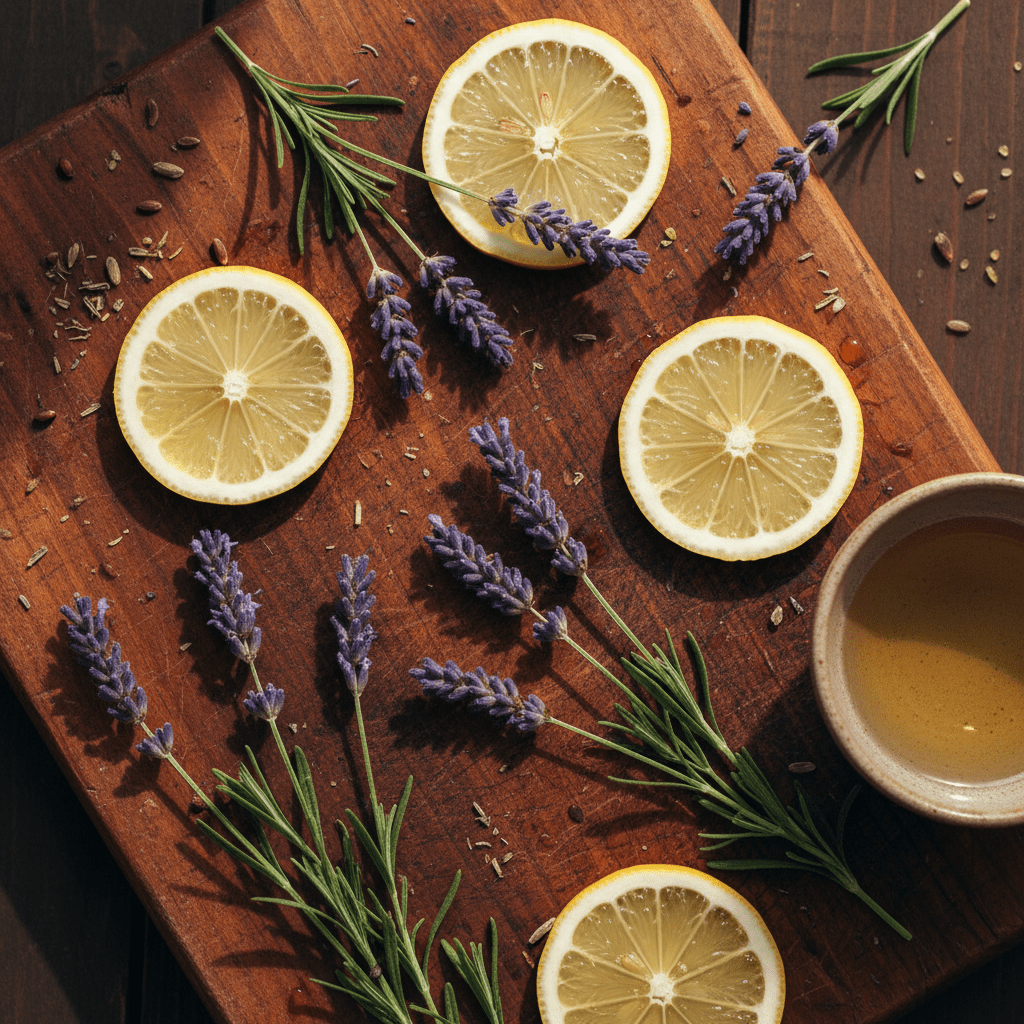
Harnessing Scent to Shape Your Day: An Introduction to Mood-Based Aromatherapy
We’ve all been there. You walk through the door after a long day, drop your keys, and realize your shoulders are practically touching your ears. You need a reset button. Fast.
While we can’t always control the chaos regarding work or traffic, we can control how our home feels. This is where aromatherapy for mood steps in.
It’s not just about making a room smell fancy. It’s actually biology.
Think about it. Why does the smell of fresh coffee wake you up before you even take a sip? Neuroscientist Rachel Herz explains that scents connect to our emotions and memories faster than anything we see or hear. In fact, specific odors can reduce anxiety levels by up to 40% [The Scent of Desire](Herz, R. (2009). The Scent of Desire.).
That’s a big deal.
Especially right now. With 77% of workers reporting work-related stress, burnout is real Workplace Stress Statistics. It’s no wonder the wellness world has grown to a massive $6.8 trillion industry—we are all looking for natural ways to feel better Global Wellness Economy Monitor.
But here is the tricky part. When you start looking for essential oils for diffuser setups, the options are endless. Which ones actually work? Do quality and purity really matter?
(Spoiler: Yes, they really do. That’s why at Aroma Monk, we stick to 100% pure, lab-tested oils).
In this guide, we are going to simplify everything. We will cover:
- The quick science of why this works
- How to pick the right tools and oils
- Simple recipes to boost energy or help you sleep
Let’s get started.
The Science of Scent: How Essential Oils Interact with Your Brain and Body
Ever catch a whiff of old books and suddenly feel cozy? Or smell pine needles and think of Christmas morning before you even realize what you’re smelling?
That’s not an accident. It’s hardwired into you.
Here is the thing about your nose. It’s the only sense that has a VIP pass straight to the emotional center of your brain.
When you see a sunset or hear a song, that information has to stop at a processing center first. Your brain analyzes it. It thinks about it. It decides if it likes it.
But scent? Scent skips the line.
When you breathe in essential oils for diffuser blends, tiny molecules float up your nose to the olfactory bulb. From there, they shoot directly to the limbic system. You might remember this from biology class, but if not, just think of the limbic system as your “feeling brain.”
It’s where your memories and emotions live.
This happens fast. Faster than you can think, “Oh, that smells like lavender.” By the time your logical brain figures out what the smell is, your emotional brain has already reacted.
It’s Chemistry, Not Magic
Some people think aromatherapy is just a placebo. Meaning, it only works because you think it works.
But science says otherwise.

Take lavender, for instance. We usually think of it as “just a nice flower.” But a specific compound in it, called linalool, actually talks to your brain cells. Research shows that smelling linalool affects the same receptors in your brain (GABA receptors) that anti-anxiety medications target. It physically tells your nervous system to calm down Lavender’s Relaxing Effects.
This trigger releases chemicals like:
- Serotonin: The one that makes you feel calm and steady.
- Dopamine: The one that gives you feelings of pleasure.
The Body Follows the Brain
This is where it gets really cool.
There is a big word for this: psychoneuroimmunology.
Don’t worry about pronouncing it. It basically means that your mood talks to your immune system.
See, when you are stressed, your body is in fight-or-flight mode. It thinks a bear is chasing you. Your heart pumps fast. Your digestion slows down. You feel tight.
But the right scent signals safety. It tells your brain, “False alarm. No bear here.” Your shoulders drop. Your heart rate slows. And when aromatherapy for mood shifts your state from “stressed out” to “chill,” your body works better.
So, using a diffuser isn’t just about making your house smell like a spa. It’s about hacking your own biology to feel better physically.
Now that we know why it works, we need to figure out what to use. Because honestly? Not every bottle of oil you see on the grocery store shelf is going to give you these results.
Let’s look at how to pick the good stuff.
Your Aromatherapy Toolkit: Selecting the Best Diffuser and High-Quality Oils
So, you are ready to start. You go online, type in “essential oils for diffuser,” and… wow.
There are thousands of options. Some cost $10. Some cost $150. It’s enough to make you close the tab and take a nap instead.
But don’t worry. We can simplify this. You really only need two things: a machine that works and oil that isn’t fake.
Choosing Your Hardware: The Diffuser Breakdown
Not all diffusers are built the same. Actually, the way they get the scent into the air changes everything.
Here is the quick rundown of what you will find:
- Ultrasonic Diffusers: This is probably what you will buy. They use water and electronic frequencies to create a fine mist. They are quiet, usually cheaper, and double as a mini humidifier. Popular models like the Asakuki Smart Wi-Fi are great because you can control them from your phone Best Essential Oil Diffusers.
- Nebulizing Diffusers: The heavy hitter. These don’t use water. They use pressurized air to spray pure oil. The scent is very strong. Great for big rooms, but they use up your oil much faster.
- Evaporative: Think of a fan blowing air through a scent pad. Simple? Yes. But the lighter parts of the oil evaporate first, so you don’t get the full biological benefit all at once.
- Heat Diffusers: Just say no. Heating the oil changes its chemical structure. It might smell okay, but you lose the therapeutic magic we talked about earlier.

The Oil Checklist: How to Spot the Fakes
This part matters most.
If you buy a cheap bottle labeled “Lavender Scent” from a gas station, you aren’t doing aromatherapy. You are just making your room smell like chemical purple flowers.
Quality is everything here. Since the wellness industry is worth trillions now, lots of companies are cutting corners to make a quick buck.
Here is how you spot the good stuff (like the oils we source at Aroma Monk):
- The Dark Bottle Test: Light destroys essential oils. If it comes in a clear bottle, put it back. You want dark amber or blue glass.
- Check the Name: It should list the Latin botanical name. For lavender, look for Lavandula angustifolia. If it just says “Lavender,” it might be a mix of synthetic junk.
- Purity Statement: Look for “100% Pure Essential Oil.” Watch out for words like “fragrance oil” or “nature identical.” Those are fancy words for fake.
- ** The Report Card (GC/MS Testing):** This is technical, but important. Gas Chromatography/Mass Spectrometry (GC/MS) is a lab test that checks exactly what is in the bottle. At Aroma Monk, we rely on these reports to guarantee there aren’t any sneaky fillers. If a company won’t show you their testing, hide your wallet.

Safety First (Because It’s Potent Stuff)
A little goes a long way.
Since these oils concentrate the power of huge amounts of plants (it takes 250 pounds of lavender to make one pound of oil!), you have to respect them.
- Watch the Clock: You don’t need the diffuser running 24/7. Actually, after about 30 to 60 minutes, your nose stops noticing the smell anyway. This is called olfactory fatigue. It’s better to run it for an hour, then turn it off.
- Pets and Kids: This is a big one. Some oils natural to us are toxic to our furry friends. Tea Tree, Cinnamon, and Citrus oils can be dangerous for cats and dogs. Always check with a vet or reliable source before diffusing around pets ASPCA Toxic and Non-Toxic Plants.
- Ventilation: Keep a door open. You want the air to flow, not get heavy.
Once you have your ultrasonic diffuser and your pure, dark-bottled oil, you are ready to mix.
Next, let’s look at some specific recipes to fix your mood, whether you need to wake up or calm down.
Mapping Your Mood: A Guide to Essential Oils for Every Emotion
You wouldn’t listen to heavy metal to help you fall asleep. And you probably wouldn’t play a lullaby to get pumped for a workout.
Aromatherapy is pretty much the same thing.
Different scents flip different switches in your brain. While the science we talked about earlier is universal, the application is personal. It’s about matching the tool to the problem.
Here is the thing.
Most people just buy one bottle of essential oil (usually lavender), use it for everything, and then wonder why they don’t feel energized at 2 PM. You need a menu. A playlist for your nose, if you will.
Let’s break down the best essential oils for diffuser blends based on what you actually need right now.
1. The “I Need to Chill” Blend (Stress & Anxiety)
We mentioned earlier that workplace stress is at an all-time high. It’s rough out there. When you feel like your brain is a browser with 50 tabs open and three of them are frozen, you need to downshift.
The goal here is to trigger that “rest and digest” response.
The Heavy Hitters:
- Lavender: You saw this coming. But here is why it works: it’s rich in linalool. Just make sure you are getting Lavandula angustifolia. It’s the gold standard for
calming diffuser blends. - Bergamot: This is a citrus oil, but unlike its energetic cousins (lemon and orange), Bergamot is uniquely calming. It’s the smell of Earl Grey tea. It lowers cortisol production. basically, it tells your body to stop freaking out.
- Frankincense: This one has been used for thousands of years for a reason. It deepens the breath. If you feel tightness in your chest from anxiety, Frankincense is your best friend. It’s grounding and spicy.
Try This Blend:
- 3 drops Lavender
- 2 drops Bergamot
- 1 drop Frankincense
2. The “Afternoon Slump” Solution (Energy & Uplifting)
It’s 2:30 PM. Lunch is sitting heavy. Your eyes are glazing over. You reach for another coffee, but you know you’ll regret the jitters later.
Use your nose instead.
Energizing essential oils essentially slap your brain awake. They are usually “Top Notes”—which means they evaporate fast and hit hard. They are sharp, crisp, and bright.
The Wake-Up Crew:
- Lemon: It’s synonymous with clean. Smelling lemon increases norepinephrine levels, which is a neurotransmitter that helps you feel alert.
- Peppermint: This is the cold shower of oils. It contains menthol, which stimulates the hippocampus (memory center) and makes you feel physically cooler and more awake.
- Sweet Orange: Less aggressive than lemon, but clinically proven to boost mood. It’s hard to smell a freshly peeled orange and stay grumpy. You just can’t.
Try This Blend:
- 3 drops Sweet Orange
- 2 drops Peppermint
(A quick side note: Be careful with Peppermint around pets. It’s strong stuff.)
3. The “Deep Work” Mode (Focus & Concentration)
Distraction is the enemy. Whether you are studying for a certification or trying to finish that report due yesterday, you need laser focus.
This is where aromatherapy benefits go beyond just feeling good—they actually help you perform better.
The Brain Boosters:
- Rosemary: This is the MVP for memory. It’s not just for roast chicken. Research suggests that compounds in rosemary can significantly increase brain wave activities associated with cognitive performance Effects of Rosemary on Cognition. In plain English? It helps you think clearer.
- Basil: Specifically Sweet Basil. It’s known for reducing mental fatigue. If you are burned out but have to keep going, throw this in the diffuser.
- Vetiver: This is a thick, syrupy oil from a grass root. It smells like wet earth. It’s incredible for stabilizing a “squirrel brain” that keeps jumping from idea to idea.
Try This Blend:
- 2 drops Rosemary
- 2 drops Lemon
- 1 drop Basil
4. The “Big Warm Hug” (Comfort & Grounding)
Sometimes you aren’t stressed, but you feel unmoored. Maybe you’ve been traveling, or you just received some bad news. You need to feel safe.
For this, we look to the trees. Wood oils are “Base Notes.” They last a long time in the air and provide emotional stability.
The Comfort Oils:
- Cedarwood: Warm, woody, and slightly sweet. It increases the production of melatonin, helping you settle down for the night.
- Sandalwood: The king of calming oils. Real sandalwood is expensive (and often faked, so check your source), but it offers a profound sense of peace.
- Ylang Ylang: A heavy, sweet floral. It balances pulse rate and blood pressure. It adds a touch of softness to the woody oils.
Try This Blend:
- 3 drops Cedarwood
- 2 drops Sandalwood
The Art of Blending
You might notice a pattern in the recipes above. We aren’t just dumping random stuff in the water.
Making diffuser recipes for mood is a bit like cooking. You verify your ingredients first.
Actually, there is a loose rule you can follow called the 3-2-1 rule:
- 3 Drops of a Top Note: The first smell you notice (Citrus, Peppermint, Eucalyptus).
- 2 Drops of a Middle Note: The heart of the blend (Lavender, Rosemary, Chamomile).
- 1 Drop of a Base Note: The scent that lingers longest (Cedarwood, Vetiver, Frankincense).
If you mix this way, you get a well-rounded scent that evolves over time.
Also, a quick tip on quality—especially with these powerful blends. If you use a synthetic lavender oil, you won’t get the linalool benefit. You just get a purple-smelling room. At Aroma Monk, we see this all the time. Commercial brands often dilute expensive oils (like Sandalwood) with cheaper fillers.
So, if you try these recipes and don’t feel a difference, check your bottle. Purity is the secret ingredient.
Now that you know what to put in your machine, let’s talk about how to actually use it safely. Because yes, you can have too much of a good thing.
The Art of the Blend: Creating Custom Diffuser Recipes for Your Needs
You don’t have to settle for whatever generic “Relaxation Blend” is on the shelf at the store. Actually, the best part of aromatherapy for mood is playing mad scientist in your own kitchen.
It’s easier than it looks. You don’t need a PhD in chemistry to make something that smells amazing.
Think of blending essential oils like writing a song. You need different parts to make it sound good. In the perfume world, they call these “notes.”
Understanding the Music of Smells
Every oil evaporates at a different speed. That’s what determines its “note.” If you just mix three random oils without a plan, it might end up smelling like a cleaning closet. But if you pick one from each category? Magic.
Here is the breakdown:
- Top Notes (The Hello): These are the first thing you smell. They hit you fast, give you that burst of energy, and then fade away quickly (usually within 1-2 hours). They are the spark.
- Think: Lemon, Orange, Grapefruit, Eucalyptus.
- Middle Notes (The Heart): Once the top note chills out, this one takes over. It’s the main body of the scent and usually defines the blend’s personality.
- Think: Lavender, Rosemary, Chamomile, Geranium.
- Base Notes (The Goodbye): These are the heavy lifters. They hang around for hours—sometimes days—and ground the whole blend. They add depth.
- Think: Cedarwood, Vetiver, Frankincense, Patchouli.
The Golden Ratio
You might be wondering, “Great, but how much of each?”
There is a simple cheat code to get you started. It’s called the 3-2-1 rule (or sometimes the 2-2-1). For a solid 5-drop blend in your diffuser, try this formula:
- 2 Drops Top Note
- 2 Drops Middle Note
- 1 Drop Base Note
It’s balanced. It’s simple. And usually? It smells fantastic.
A Quick Tip: Before you fill your machine, do the “Tissue Test.” Put one drop of each oil on a piece of tissue paper and wave it under your nose. If you hate it, you just saved yourself a headache. If you love it, get the diffuser running.
Recipes to Get You Started
Let’s put this into practice. Here are two diffuser recipes for mood that use specific scent cues to shift your mindset.
1. The “Morning Focus” Blend
Use this when you need to power through big projects. Research suggests that creating consistent sensory cues (like a specific smell for work) can accelerate habit formation, helping your brain switch into “work mode” faster Habit Formation and Cues.
- 2 Drops Lemon (Top): Instant alertness and clarity.
- 2 Drops Rosemary (Middle): For memory recall and focus.
- 1 Drop Peppermint (Top/Middle): The kicker to wake you up.
2. The “Sleepy Time” Blend
This is for winding down. We are using heavier base notes here to anchor you and stop your mind from racing.
- 2 Drops Lavender (Middle): The classic relaxer.
- 2 Drops Cedarwood (Base): Warm, woody, and comforting.
- 1 Drop Vetiver (Base): Deep grounding (seriously, this stuff smells like sleep).
Ingredient Quality (Because It Matters)
Here is the catch.
You can have the perfect recipe, but if your ingredients are junk, the meal won’t taste good. It’s the same with oils.
Big perfume brands spend millions perfecting these ratios, but they often rely on synthetic fillers to cut costs. At Aroma Monk, we see the other side of this. We supply bulk, pure oils to businesses that care about authenticity, because we know that “nature identical” chemicals don’t talk to your brain the same way real plants do.
If you make that Sleepy Time blend with fake lavender, it might smell nice, but it won’t flip that chemical switch in your nervous system to help you rest.
So, grab your pure oils, pick your notes, and start mixing. You might just find your new signature scent.
Integrating Aromatherapy: Making Diffusing a Daily Wellness Ritual
You have the gear. You have the recipes. Now, how do you actually make this stick?
It’s easy to use your diffuser strictly when you’re stressed out or having a bad day. But the real magic of aromatherapy for mood happens when you make it a habit, not just a rescue remedy.
Building Your Scent Schedule
Think about your day. You have rituals already, right? You brush your teeth. You make coffee. You check your phone.
The trick is to attach scent to those moments. This is called “habit stacking.”

- 7:00 AM: While the coffee brews, start your diffuser with
energizing essential oilslike lemon or peppermint. It signals to your brain that sleeping is over. - 9:00 AM: When you sit at your desk, switch to a focus blend.
- 9:00 PM: An hour before bed, switch to
calming diffuser blendslike lavender or cedarwood.
The Power of Scent Anchoring
This isn’t just about smelling good. It’s a psychological hack called “Scent Anchoring.”
Basically, you train your brain to associate a specific smell with a specific feeling. If you consistently smell rosemary every time you start deep work, eventually, just smelling rosemary will put you in “work mode.” Research suggests that consistent sensory cues, like smell, can actually accelerate how fast we form habits Habit Formation and Cues.
It’s a simple way to hack your productivity.
Don’t Let Your Nose Get Bored
Here is the thing about how to use an essential oil diffuser long-term. If you diffuse the same thing 24/7, your nose quits on you.
It’s called olfactory fatigue (or being “nose-blind”). Your brain decides the smell isn’t a threat, so it stops registering it. To keep getting the full aromatherapy benefits, you have to create variety.
Rotate your oils. If you used orange yesterday, try bergamot today. If you love diffuser recipes for mood that use lavender, swap it out for chamomile next week.
Also, this helps with essential oil safety. Using the same strong oil every single day can sometimes lead to sensitization (where your body develops a reaction to it). Rotating keeps your system happy.
Why This Matters Now
We aren’t the only ones thinking about this. The mental wellness market has exploded to over $268 billion recently Global Wellness Economy Monitor. Why? Because we are all looking for natural, non-invasive ways to feel a little more in control of our environments.
Just remember, if you are breathing this in daily, quality is non-negotiable. At Aroma Monk, we supply pure oils to brands that build these wellness routines, and we always tell them: don’t cheat on the ingredients. Your lungs know the difference.
So, pick your “anchor” scents. Set up your machine. And see how a little strategic smell can shape your whole week.
Your Journey with Scent Begins Now
We’ve covered a lot of ground here. From the biology of your brain to mixing your own custom “Morning Focus” potions, it’s pretty clear that aromatherapy for mood is more than just a nice accessory for your living room.
It’s a legitimate tool for your mental toolkit.
But I know how it goes. You read a guide like this, get excited, and then look at the options and freeze.
Here is the truth: You don’t need to be an expert to get started.
You don’t need to buy 20 bottles today. You don’t need to memorize the chemical interactions of every plant. You just need to start with one feeling you want to fix.
Maybe it’s just getting a high-quality peppermint oil to help you wake up. Maybe it’s finding a real sandalwood blend to help you crash at night.
The shift toward natural solutions is real. In fact, experts predict the global wellness economy will hit nearly $9.8 trillion by 2029 Global Wellness Future Forecast. That tells us one thing—we are all searching for ways to feel grounded in the chaos.
That is where quality makes or breaks the experience.
At Aroma Monk, we see this shift firsthand. Whether we are sending bulk attars to a boutique perfume house or sourcing pure oils for a new wellness brand, the demand for authentic ingredients is deeper than ever. We know that if the oil isn’t real, the feeling isn’t real.
So, here is your homework.
Pick one mood you want to change this week. Stress? Fatigue? Brain fog?
Choose one of the best essential oils for diffuser blends we talked about. Double-check that your oil is pure (remember the dark bottle test). And just turn the machine on.
Your brain—and your mood—will thank you.