
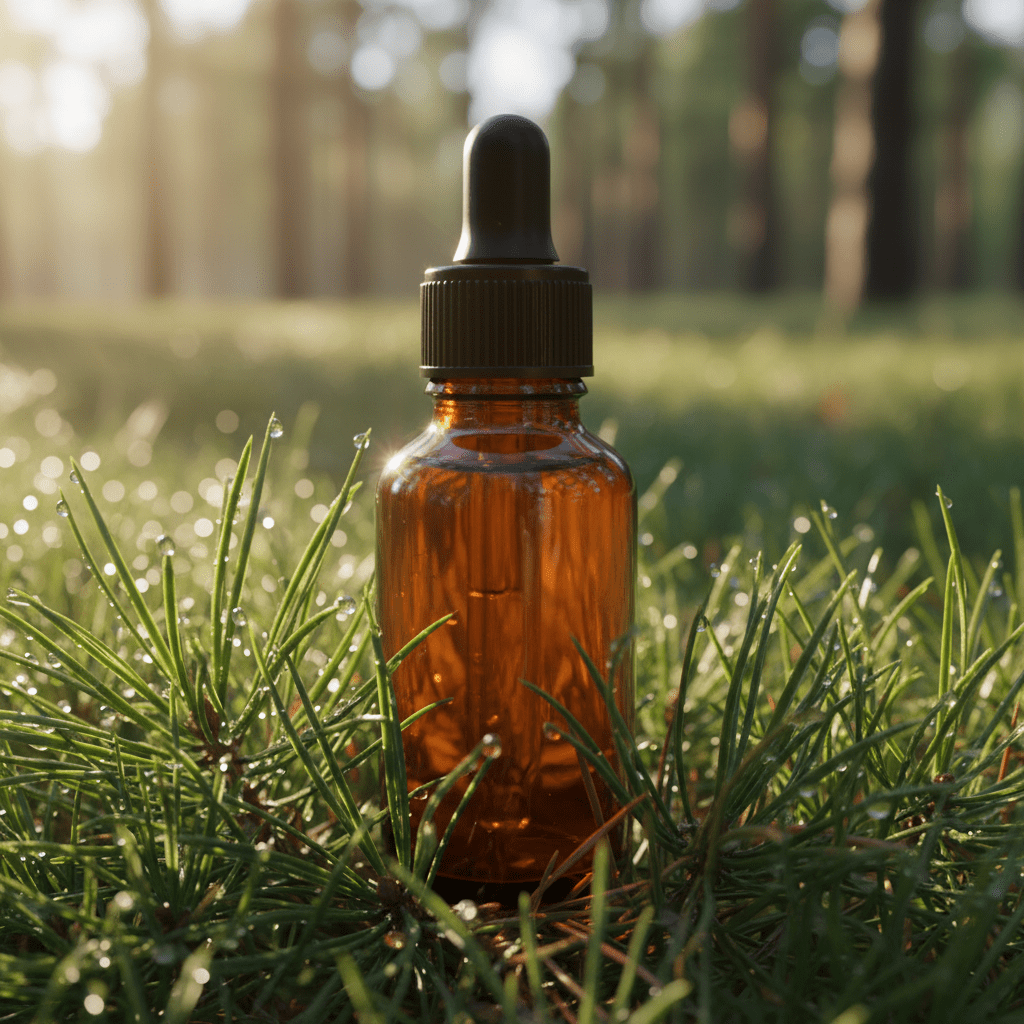
The Potent Protector in Your Pantry: An Introduction to Pine Essential Oil
Have you ever looked at the back of a cleaning bottle and felt a little worried about all those unpronounceable ingredients?
You aren’t alone.
Actually, there is a massive shift happening right now. Families everywhere are trading in harsh bleach for plant-based bottles. The green cleaning market is growing fast—it was valued at over $37 billion recently, and experts expect it to keep skyrocketing.
We all want a safe home. But here is the problem that bothers many of us.
Does the natural stuff actually work?
It is easy to wonder if we are just wiping dirt around with nice-smelling water. When flu season hits, you don’t want “gentle.” You want dead germs.
This is where pine essential oil enters the chat.
It is not just a holiday scent for your diffuser. Science shows that pine oil for cleaning is a heavy hitter against bacteria. It bridges the gap between “safe for kids” and “tough on grime.”
So, is pine oil really a natural disinfectant or just a perfume? Let’s check the facts.
From Forest to Bottle: What Exactly is Pine Essential Oil?
Let’s clear something up right away. There is a huge difference between the forest-fresh smell of a cardboard car air freshener and actual pine essential oil.
One is made in a lab.
The other is made by a tree.
Real pine oil typically comes from the needles of the Pinus sylvestris tree—you might know it as the Scotch Pine. To get the good stuff, simple steam is used to distill the needles. It takes a lot of needles just to get a small amount of oil, but that oil is concentrated power Pine essential oil species extraction.
The result is a pale yellow liquid that doesn’t just smell like a holiday morning—it carries the actual chemical properties of the plant.

The “Pine-Scented” Trap
Here is where it gets tricky. You probably grew up seeing bottles of famous pine cleaners under the sink. We all did. But check the label next time.
Many commercial cleaners today are just pine-scented. They use synthetic fragrance oils that mimic the smell but offer zero cleaning power. Even some big brands that used to rely on pine oil have reduced the amount or switched to synthetics over the years.
Actual Pinus sylvestris oil properties rely on natural compounds called terpenes. The big one here is alpha-pinene. In fact, real oil from Scotch pine usually contains around 30-40% alpha-pinene.
That compound is the heavy lifter responsible for fighting germs. Fake fragrance oils? They don’t have it.
Old School Cleaning (Like, Really Old)
This isn’t a new trend, by the way. It is ancient tech.
Long before we had plastic spray bottles, people used the forest to stay healthy. Native American tribes, including the Iroquois and Ojibwa, used pine needles and sap not just for the smell, but as strong medicine for breathing issues and to keep wounds clean.
They knew what science is just now proving: pine is potent.
If you are planning to mix your own pine oil for cleaning—or if you run a business making green products—purity is the only thing that matters. You need the full spectrum of terpenes in pine oil to get the job done.
This is why sourcing matters. Companies like Aroma Monk focus on providing certified, 100% pure Pinus sylvestris oil. Whether you are a DIYer or a product developer, using the real deal ensures you get the antimicrobial kick, not just a nice perfume.
Now that we know what it is, let’s look at why bacteria hate it so much.
The Chemical Blueprint: Uncovering the Antimicrobial Compounds in Pine Oil
Okay, let’s get a little nerdy for a minute.
But I promise to keep it simple.
To understand why pine essential oil works better than just smelly water, you have to look protect under the hood. Or rather, into the microscopic chemistry of the oil itself.
The secret weapons inside pine oil are called terpenes.
You might have heard that word thrown around in wellness circles, but here is what it actually means. Terpenes are organic compounds produced by plants to protect themselves. They are the plant’s own immune system.
When a bug tries to eat a pine tree, the tree fights back with these chemicals.
Meet the Squad
There isn’t just one magic ingredient in Pinus sylvestris oil. It is more like a team effort. However, there is definitely a team captain.
It is called alpha-pinene (or α-pinene if you want to be fancy).
This single compound is the heavy hitter. According to chemical analysis, a high-quality bottle of Scotch pine oil is made up of about 30% to 40% alpha-pinene. That is a huge chunk of the bottle devoted to fighting grime.
But alpha-pinene doesn’t work alone. It brings backup:
- Beta-pinene: Another strong defender, usually making up about 2-4% of the oil.
- Limonene: You usually find this in citrus, but it helps out here too (about 6-9%).
- Camphene: Another helper that adds to the cleaning power.
When these compounds are together in their natural ratio, they do something synthetics just can’t do.

How They Attack Germs
So, what do these tiny compounds actually do to bacteria?
Think of a germ like a tiny castle. It has walls to protect itself.
Research suggests that compounds like alpha-pinene and beta-pinene struggle to break down that wall directly, but they are great at stopping the castle from being built in the first place.
Specifically, they are really good at stopping biofilms.
A biofilm is basically a layer of slime that bacteria create to hide under. Once they have that shield, they are really hard to kill. The compounds in pine oil stop that slime layer from forming, leaving the bacteria exposed and vulnerable.
It traps them. It exposes them. And it stops them from growing.
Why Purity is Everything
Here is the catch.
This chemical blueprint only exists in nature. You can’t fake it perfectly in a lab factory.
If you buy a cheap bottle of “pine scent” from a discount bin, it might smell right, but it won’t have that 40% alpha-pinene count. It won’t have the complexity.
This is why suppliers like Aroma Monk are so strict about their lab testing. They check to make sure those terpene levels are actually there. If you are mixing a DIY pine cleaner or formulating a product line, you need those numbers to be accurate. Otherwise, you aren’t cleaning—you’re just making the bacteria smell like a forest.
Get a quote from Aroma Monk.
Essential Oil Supplier – Bulk pricing • Samples • Fast response
A Multi-Front War on Microbes: Pine Oil vs. Bacteria, Fungi, and Viruses
You know that moment when you drop a piece of food on the kitchen floor?
And you do the “five-second rule” math in your head?
We all do it. But what we are really worried about aren’t just “germs” in a general sense. We are worried about the nasty ones. The invisible bad guys that make us sick.
I used to think natural cleaners were just fancy water. I really did. I thought, “There is no way a tree extract can kill the same stuff bleach does.”
But I was wrong.
Actually, pine essential oil is a bit of a savage when it comes to microscopic warfare. It doesn’t just smell nice; it fights dirty against the bugs that hide on your counters.
Let’s break down exactly who gets defeated when you use pine oil for cleaning.
Round 1: Pine vs. The Bacteria
When we talk about dangerous bacteria in the home, we usually mean the “Big Three”: Staphylococcus aureus (Staph), E. coli, and Salmonella.
These are the uninvited guests nobody wants.
So, does pine oil actually handle them?
Yes. And it works fast.
Researchers have tested pine essential oils (specifically from Pinus sylvestris and its cousins) directly against these pathogens. The results were pretty clear. The oil showed strong antibacterial activity, particularly against Staph. It basically stops the bacteria from growing and spreading.
In scientific terms, the oil has a low “Minimum Inhibitory Concentration” (MIC). That just means you don’t need gallons of it to work. A little bit goes a long way.
It is worth noting that E. coli creates a tougher fight. It is a Gram-negative bacterium, which means it has a thicker armor. But even with that extra shield, studies show that high-quality pine oil can break through.
To put it simply? The antimicrobial essential oils in pine act like a needle to a balloon.
Round 2: A Nightmare for Mold and Yeast
If bacteria are the soldiers, fungi are the spies. They hide in damp corners, grow silently, and are incredibly hard to get rid of.
Have you ever tried to scrub black mold off a shower curtain?
It is remarkably stubborn. But pine essential oil shines here too.
Fungi like Aspergillus (that common black mold) and yeasts like Candida albicans hate terpenes. Remember alpha-pinene? It turns out it is a potent antifungal agent.
One study found that components in pine oil could kill Candida cells in under an hour. That is faster than a standard cycle of your dishwasher. It works by disrupting the cell membrane and stopping them from breathing (more or less).
So if you are mixing a DIY pine cleaner for your bathroom, you aren’t just covering up the smell of damp towels. You are actually attacking the source of the funk.
Round 3: The Viral Frontier
Okay, this is the part where we need to be careful.
Viruses are tricky. They aren’t technically “alive” like bacteria, so killing them is complicated.
Also, science is still catching up here. We don’t have as much data on viruses as we do on bacteria.
However, early research is super interesting. It suggests that pine oil has antiviral potential, especially against “enveloped viruses.” These are viruses wrapped in a fatty layer—think Influenza A or Herpes Simplex.
The oil seems to mess with that fatty layer. If the virus loses its coat, it can’t infect your cells.
Some tests showed that pine oils could reduce viral infectivity significantly, though it isn’t a guaranteed cure-all antiviral effectiveness. It is more like a strong shield than a magic bullet.
Why Ingredients Matter
Here is the thing.
This biological warfare only happens if you have the real biological weapons.
Synthetics don’t have these powers. If you are a business owner looking for a natural disinfectant ingredient, or a formulator trying to make the next big green cleaner, you need the pure stuff.
Suppliers like Aroma Monk understand this. They know that if the alpha-pinene levels aren’t right, the pine needle oil benefits just aren’t there. You need that lab-tested purity to ensure your product actually cleans, rather than just perfumes the air.
So, we know it kills the bad stuff. But how do we actually use it without turning our house into a sticky mess?
Practical Magic: How to Use Pine Essential Oil for a Naturally Clean Home
Okay, we know the science. We know the bugs hate it.
Now let’s get to the fun part.
Making your own DIY pine cleaner is surprisingly easy. You don’t need a degree in chemistry, and you definitely don’t need 10 different expensive ingredients.
Actually, you probably have most of the stuff in your pantry right now.
But before we start mixing, there is one big rule we need to talk about. Oil and water do not like each other. If you just drop pine oil into a spray bottle of water, the oil will float on top. You end up spraying pure water for 50 squirts, and then pure oil for the last one.
That’s not great.
To fix this, we need an emulsifier—something that helps them get along. A little bit of Castile soap or a product like Sal Suds works perfectly.
Here are three ways to turn that little bottle of oil into a cleaning powerhouse.

1. The Everyday “Everything” Spray
This is your new best friend for kitchen counters, sticky tables, and doorknobs. It works as a general natural disinfectant for non-porous surfaces.
What You Need:
- 1 cup (8 oz) distilled water
- 1/4 cup white vinegar (cuts the grease)
- 1 teaspoon unscented Castile soap (this mixes the oil!)
- 15 drops of Pine Essential Oil
How to Make It:
Pour that water and vinegar into a glass spray bottle. Add the soap and the essential oil last. Give it a gentle shake before you spray.
The vinegar cuts through grease, the soap lifts dirt, and the pine oil handles the germs.
Learning how to use pine oil safely is simple but crucial. Since this recipe uses vinegar, do not use it on granite or marble countertops. The acid can eat away at natural stone, instantly cleaning safety.
2. The Forest Floor Wash
If you have tile, vinyl, or sealed wood floors, this mix changes the game. It doesn’t just clean the floor; it makes the whole house smell like a crisp walk in the woods.
What You Need:
- 1 gallon of hot water
- 1 tablespoon Castile soap
- 20 drops of Pine Essential Oil
How to Use It:
Fill your bucket with hot water first. Then add the soap and oil. Give it a swirl with your mop. You don’t even need to rinse it off. It cuts through muddy paw prints and prevents that “wet dog” smell from taking over.
3. The “Shower Shield” for Mold
Mold loves damp corners. This spray is designed to stop it before it starts.
What You Need:
- 1 cup white vinegar
- 1 cup water
- 20 drops Pine Essential Oil (it needs to be strong)
- 10 drops Tea Tree oil (optional, but adds extra punch)
How to Use It:
Keep this in the bathroom. After you shower, just mist the corners and the grout lines. You don’t need to wipe it. The vinegar creates an environment mold hates, and the pine oil stops those biofilms we talked about earlier.
A Quick Note on Ingredients
These recipes only work if the ingredients are real.
I can’t stress this enough. If you use a synthetic fragrance oil from a craft store, you are just making your floor sticky. You need the alpha-pinene content found in pure essential oils.
This is why serious DIYers often source from places like Aroma Monk. When you buy bulk ingredients or just a big bottle for the home, knowing it is actual Pinus sylvestris ensures you are getting the cleaning power, not just the perfume.
Now, I know what you are thinking. “If this stuff is strong enough to kill mold, is it safe for my cat?”
That is a really important question. Let’s talk about keeping your fur babies safe.
Safety First: Using Pine Essential Oil Responsibly
We just talked about how the pine essential oil can destroy the protective walls of bacteria.
That is impressive.
But it also means this stuff is strong. Like, really strong.
Because it is so concentrated, you have to treat it with respect. You wouldn’t drink a cup of hot sauce, right? You probably wouldn’t even put it directly on your skin without thinking twice.
The same rule applies here.
Learning how to use pine oil safely protects your family and your pets while you clean.
The Golden Rule: Always Dilute
Never apply pine oil directly to your skin or pour it straight onto a surface without a carrier. If you put it straight on your skin, it can cause redness, itching, or even a burn.
Whether you are scrubbing the floor or using it for a massage, you need to mix it with something else. Here is a simple cheat sheet to keep you safe:
| Purpose | How Much Oil? | What to Mix With? |
|---|---|---|
| Skin Application | 1% (approx. 6 drops per oz) | Carrier oil (Jojoba, Almond, Coconut) |
| Cleaning Spray | 2-3% (approx. 15-20 drops per oz) | Water + Soap or Vinegar |
| Floor Mop | 0.5% (approx. 20 drops per gallon) | Gallon of hot water |
The Cat Conversation (Please Read This)
This is the most important part of this entire article.
If you have cats, you need to be extremely careful.
Dogs can usually handle pine scents if the room is ventilated (though you should still keep it away from them).
Cats are different.
Biologically, cats lack a specific liver enzyme called glucuronyl transferase. This fancy-sounding enzyme is what breaks down certain compounds, including the terpenes in pine oil. Because they can’t break it down, the toxins build up in their system fast.
It can cause liver failure, breathing trouble, or worse toxicity in cats.
Does this mean you can’t use pine cleaner? Not necessarily. But you must keep the cat out of the room until the floor is completely dry. And never, ever use a diffuser with pine oil in a room where your cat is trapped.
Kids, Pregnancy, and “Patch Tests”
Since we are talking about safety, let’s cover the humans too.
If you are pregnant or nursing, it is smart to ask your doctor before using strong essential oils. It is usually fine for cleaning, but topical use acts differently.
Also, before you go rub a pine-scented lotion all over your arm, do a patch test.
Put a tiny drop (diluted!) on the inside of your elbow and wait 24 hours. If it turns red or itchy, pine isn’t for you.
And finally, please do not drink it.
I know it smells like a delicious tea, but swallowing essential oils can be dangerous. Keep it in the spray bottle, not your water bottle.
Using high-quality ingredients like those from Aroma Monk makes your cleaning effective, but using them safely makes it sustainable for your whole home.
Now that we are safe, let’s wrap this up with the big picture of why this actually matters for your health.
Embrace the Power of Pine: Your Natural Antimicrobial Ally
So, here is the truth.
Pine essential oil isn’t just old-school folklore. It is a legitimate cleaning powerhouse backed by real chemistry. As we saw, those tiny compounds—specifically α-pinene and β-pinene—work hard to disrupt bacteria and keep your home safe.
It makes sense why families are making the switch. In fact, the market for green cleaning products was valued at over $37 billion recently because so many of us are done with harsh chemicals.
You don’t have to choose between a clean house and a safe environment. You can have both.
Why not try just one of those recipes this week? Maybe the floor wash? Just remember to check your labels. To get the pine needle oil benefits, you need 100% pure oil, not a synthetic substitute.
Grab a bottle of the real stuff, follow the safety rules, and enjoy a home that smells like a fresh forest—and is actually clean deep down.
Get a quote from Aroma Monk.
Essential Oil Supplier – Bulk pricing • Samples • Fast response