
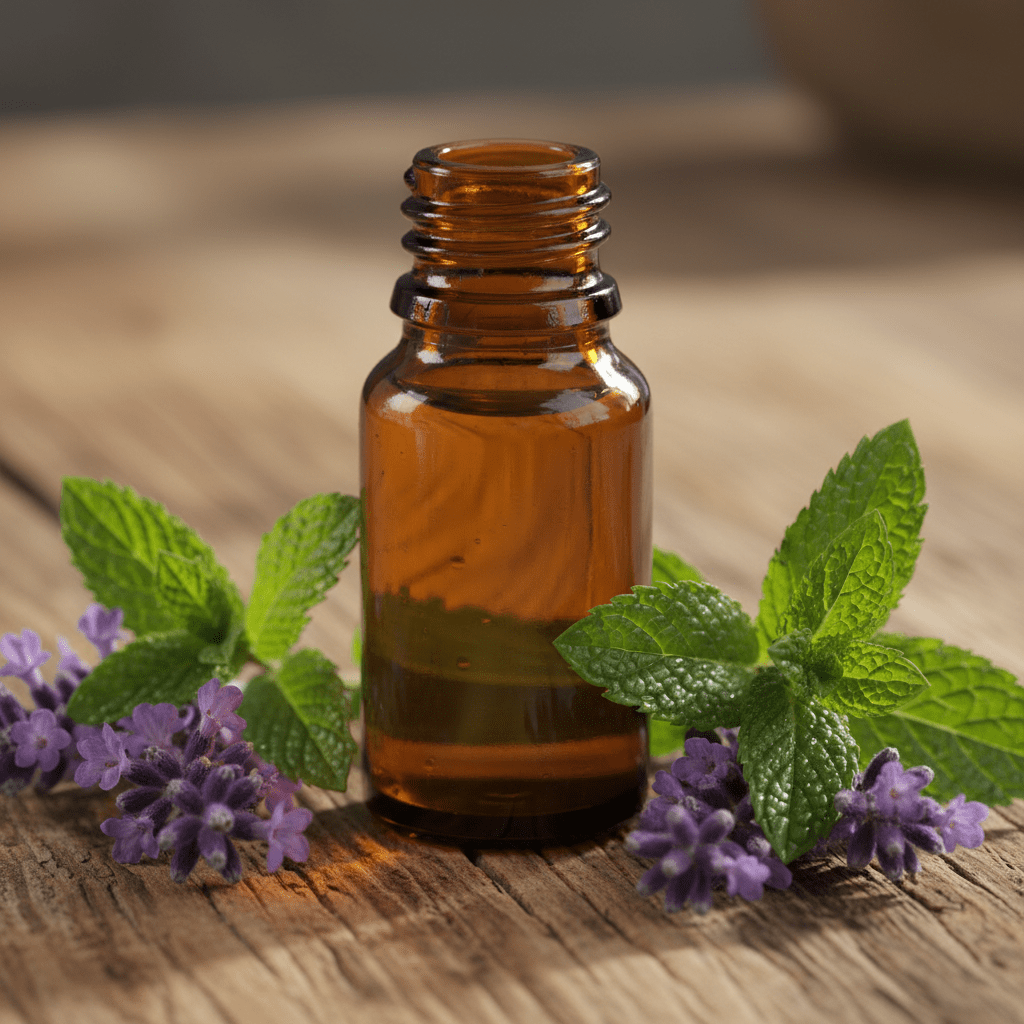
Harnessing Nature’s Essence: An Introduction to Aromatherapy for Physical Wellness
Do you ever crave a natural reset button for your body? You know, something to help with that nagging back pain or the stress that keeps you up at night?
You aren’t the only one looking for answers.
Actually, the interest in natural wellness is exploding right now. We’re seeing a huge shift where more people are swapping synthetic options for natural ones. In fact, the global market for these natural solutions was valued around $23.6 billion recently, and it’s expected to keep growing fast market growth statistics.
That is a lot of lavender.
But here is the problem.
When you start researching aromatherapy oils, it feels a bit like trying to drink from a fire hose. There is so much information. And a lot of it conflicts. One person says “rub this everywhere,” and another says “never touch it.” It’s confusing. And frankly, it can be a little scary if you don’t know what’s safe.
So, let’s clear the air.
We aren’t here to promise magic potions. We are here to look at what actually works based on facts. This guide covers the real science behind using aromatherapy for wellness. We want to help you understand what research says about essential oils for health, how to use them without hurting yourself, and which ones act as real, natural healing oils.
Whether you are a brand looking for pure ingredients or just someone trying to sleep better, we’re going to figure this out together.
Let’s get started.
What Are Aromatherapy Oils? Understanding the Science of How They Work

First things first. What exactly is in that little amber bottle?
It’s easy to mix up therapeutic essential oils with those cheap scented oils you find at the grocery store. But there is a huge difference.
True essential oils are super-concentrated plant extracts. Think of them as the plant’s immune system and personality distilled into liquid form. Producers use methods like steam distillation to capture the volatile compounds—the stuff that makes the plant smell and heal—without adding fake stuff. Fragrance oils, on the other hand, are often just synthetic chemicals made in a lab. They might smell nice, but they aren’t natural healing oils.
The Nose-to-Brain Connection
Now, here is the cool part.
Have you ever peeled an orange and felt instantly more awake? That isn’t just in your head. Well, actually, it is.
When you breathe in an essential oil, tiny odor molecules float into your nose and bind to receptors. These receptors shoot signals directly to a part of your brain called the limbic system. This happens fast.
The limbic system is the boss of your emotions, memory, and even physical reactions like heart rate. Unlike other senses that have to go through a processing center first, smell gets a VIP pass straight to the emotional brain.
Scientific studies confirm that this direct connection allows oils to elicit physiological responses like reduced heart rate and lowered stress hormones almost instantly. It’s why a whiff of lavender can calm you down before you even realize you’re smelling it.
More Than Just a Pretty Smell
It creates a nice vibe, sure. But using aromatherapy for wellness is also about chemistry.
These oils contain active chemical compounds that interact with your body. Take lavender, for example. It is full of a compound called linalool, which helps muscles relax. Or peppermint, which is packed with menthol—a natural cooler that creates that fresh, tingling sensation.
Research shows that linalool and menthol are key chemical constituents that provide real, physical effects. Whether you inhale them or apply them to your skin, you are interacting with nature’s chemistry.
Basically, it’s biology, not magic.
Safety First: The Non-Negotiable Rules of Using Essential Oils for Health
Because these oils are biology and not magic, we have to respect them.
Think about it this way. It takes nearly 250 pounds of rose petals to make just one ounce of rose essential oil. That creates a substance that is incredibly potent. Treat it like medicine, because in many ways, it is.
I learned this the hard way years ago. I put undiluted peppermint oil directly on my forehead for a headache. Big mistake. My skin turned bright red and burned for an hour.
Don’t be like me. Follow these rules instead.
The Golden Rule: Dilute, Dilute, Dilute
There is a misconception that “more is better.” Actually, with therapeutic essential oils, less is usually more.
Never apply oils directly to your skin without a carrier oil. A carrier oil is a neutral plant oil—like coconut, jojoba, or almond oil—that “carries” the essential oil into your skin safely. It prevents irritation and helps the oil absorb better.
For most healthy adults, a 2% dilution is the sweet spot. That means about 12 drops of essential oil for every ounce of carrier oil. If you are using oils on your face, drop that down to 1% or less.
This isn’t just a suggestion; it’s a safety standard. Groups like the Tisserand Institute provide detailed dilution charts that show you exactly how much to use so you don’t hurt yourself.
Watch Out for the Sun
Here is something people often forget. Some oils, especially citrus ones like lemon, grapefruit, and bergamot, interact with sunlight.
If you rub lemon oil on your arm and then go to the beach, you could end up with a nasty blister or a dark spot that lasts for months. This is called phototoxicity. If you use citrus loves on your skin, wait at least 12 hours before going out in the sun.
Do Not Drink Them
I see people on social media putting drops of lemon oil in their water.
Please stop doing this.
Oil and water don’t mix. The oil floats on top and hits your sensitive throat tissue at full strength. Unless you are working directly with a certified profressional, keep the oils for smelling and rubbing (diluted), not drinking.
Who Needs Extra Caution?
If you are pregnant, nursing, or have little ones running around, you need to change your routine.
- Kids: Their skin is thinner and their livers work differently. Use extremely low dilutions (0.5% to 1%) and avoid strong oils like peppermint or eucalyptus for young children.
- Pregnancy: Certain oils can stimulate the body in ways you don’t want right now. Experts generally recommend avoiding oils like clary sage, rosemary, and cinnamon, especially in the first trimester pregnancy safety guidelines.
- Pets: This is a big one. Cats, specifically, lack a liver enzyme needed to break down certain compounds. Oils that are fine for you—like tea tree or peppermint—can be toxic to your furry friend’s pet toxicity risks.
Safety starts with knowing what you are buying. Using confirmed, pure ingredients from transparent sources like Aroma Monk ensures you aren’t dealing with hidden synthetic fillers that cause extra reactions. When you know proper how to use essential oils safely, you can actually enjoy the benefits without the worry.
Get a quote from Aroma Monk.
Essential Oil Supplier – Bulk pricing • Samples • Fast response
Application Methods: How to Effectively Use Aromatherapy Oils on Your Body

So, you have your bottle of oil. Now what?
It’s a bit like having a new specialized tool. If you don’t know how to use it, it just sits there. Or worse, you use it wrong and it doesn’t work.
How you use these oils changes everything. The method you pick determines where the oil goes in your body and how fast it acts. Generally, there are two main ways to go about using aromatherapy for wellness: breathing it in or putting it on your skin.
Inhalation: The Express Lane for Mood
If you need to change how you feel right now—like, this exact second—inhalation is your best friend.
Remember that nose-to-brain connection? Breathing in therapeutic essential oils sends signals to your brain almost instantly. It’s the fastest way to deal with stress, sleep issues, or a bad mood.
Here are the three most common ways to do it:
- Ultrasonic Diffusers: These are the little machines that puff out cool mist. They vibrate water and oil into the air. It’s great for setting a vibe in a whole room or helping your kids settle down for bed.
- Personal Inhalers: These look like lip balm tubes but have a cotton wick inside soaked in oil. You just uncap and sniff. It’s a lifesaver when you’re stuck in traffic or dealing with a stressful email at work.
- Steam Inhalation: This is old school. You put a drop of eucalyptus or stimulating oil in a bowl of hot water, put a towel over your head, and breathe. It’s a go-to for many people when they feel stuffed up during allergy season.
Studies show that inhaling oils like lavender can actually change your brain waves to help you relax brain wave indicators of relaxation. It’s simple biology, but it feels like a trick.
Topical Use: Hitting the Spot
Now, what if your problem isn’t in your head? What if your knee hurts after a run, or your neck is stiff from staring at a screen?
Smelling peppermint won’t fix your knee. You need to put the oil where the pain is. This is where essential oil application methods get physical.
When you apply oils to your skin (diluted, of course!), they absorb into your tissues. This is perfect for localized issues where you need specific relief.
- Massage Oils: Mixing oils into a carrier for a full-body massage helps with muscle relaxation and circulation.
- Rollerballs: These are pre-diluted mixes you can roll right onto your pulse points (wrists, temples) or problem areas.
- Compresses: For sore muscles, you can add oil to a bowl of warm water, soak a cloth in it, and lay it on your skin.
Topical use is powerful aromatherapy for pain relief. In fact, research found that a 10% peppermint oil solution applied to the forehead was just as effective for tension headaches as taking a pill peppermint oil for tension headaches.
Which Method Should You Choose?
It can be tricky to decide which route to take. Here is a quick cheat sheet to help you pick the best essential oils for physical well-being based on what you need.
| If you want to… | Use this method… | Why? |
|---|---|---|
| Sleep better | Inhalation (Diffuser) | Calms the brain instantly without waiting for absorption. |
| Fix a headache | Topical (Temples) | Targets the specific area of pain directly. |
| Boost energy | Inhalation (Personal Inhaler) | Fast path to the brain to wake you up. |
| Soothe sore muscles | Topical (Massage/Bath) | Penetrates tissues to work on the physical ache. |
When you are looking for essential oils for health, quality matters for both methods. You want pure stuff interacting with your lungs and skin. Brands that source high-quality bulk ingredients, like Aroma Monk, ensure that whether you are diffusing or massaging, you are using safe, unadulterated nature.
Basically, if it’s for your mood, breathe it. If it’s for your muscles, rub it. Simple as that.
A Targeted Approach: The Best Essential Oils for Common Physical Ailments
Now that we know how to use them safely, let’s get to the part you are probably here for.
What actually fixes the problem?
It is one thing to diffuse an oil because it smells like a fancy spa. It is another thing entirely to use therapeutic essential oils to tackle a migraine that has been ruining your day since 9 AM.
When we look at essential oils for health, we want to match the right chemistry to the right issue. You wouldn’t take a cough drop for a twisted ankle, right? The same logic applies here.
Here is a breakdown of the heavy hitters for the most common physical complaints.
1. The Head and Muscle Rescue Squad
If you deal with tension headaches, you know the drill. It starts in your neck and creeps up until your whole head feels like it is in a vice.
Before you reach for the pill bottle, consider peppermint oil.
This isn’t just folklore. Clinical data is actually pretty impressive here. Studies have shown that a 10% peppermint oil solution applied to the forehead and temples can be just as effective as taking acetaminophen (Tylenol) for tension headaches.
The menthol creates a cooling effect that distracts your nerves and relaxes the muscles that are squeezing your head. I keep a pre-diluted roller in my desk drawer for exactly this reason. It works fast.
For deeper body aches:
When the pain is in your joints or lower back, you need oils that feel a bit heavier.
- Wintergreen: This contains methyl salicylate, which is basically liquid aspirin. It is powerful stuff, so only use a tiny bit diluted in a lot of carrier oil.
- Copaiba & Frankincense: These are the earthy, resinous oils. They are often used in natural healing oils blends to help calm inflammation and soothe soreness after a workout.
2. The Deep Sleep Department
“I’m tired, but my brain won’t shut up.”
Sound familiar?
Sleep is probably the number one reason people start using aromatherapy for wellness. And there is a king of the jungle here: Lavender.
I know, I know. Hearing about lavender feels a bit basic. But there is a reason it is everywhere. It works.
One systematic review found that nearly 77% of proven studies showed lavender oil helped people sleep better. It doesn’t just knock you out; it helps increase the duration of deep slow-wave sleep. That is the restorative sleep that makes you feel human again in the morning.
If stress is the blocker:
Sometimes you can’t sleep because you are anxious. In that case, mix your lavender with Bergamot or Roman Chamomile.
Bergamot is unique because it is a citrus oil that relaxes you instead of waking you up. It lowers stress hormones, clearing the path for lavender to do its job.
3. Respiratory and Immune Support
When cold season hits, the air in your house can feel heavy. You want aromatherapy benefits for the body that help you breathe easier.
Three oils shine here:
- Eucalyptus: This is the classic “sauna smell.” It feels sharp and clean.
- Tea Tree: Known for its ability to fight the bad stuff.
- Rosemary: Great for clearing that heavy, foggy feeling in your head.
While we often just think of the smell, these oils are chemically active. Steam distillation methods capture compounds that have proven antimicrobial efficacy regarding various bacteria and fungi.
A simple respiratory blend:
Put 2 drops of Eucalyptus and 1 drop of Tea Tree in a bowl of steaming hot water. Tented with a towel, this steam bath feels amazing when you are feeling stuffed up.
Getting the Good Stuff
Here is the thing about using best essential oils for physical well-being. They have to be real.
If you buy a “lavender scented” oil from a dollar bin, you are likely getting synthetic linalool made in a factory. It might smell okay, but it won’t interact with your body’s chemistry the same way. It lacks the complex soul of the plant.
This is why sourcing matters. Brands like Aroma Monk focus on getting these oils directly from the distillers who care about purity. When you are using these potent liquids for your health—putting them on your skin and in your lungs—purity isn’t a luxury. It’s a requirement.
So, grab the right bottle, dilute it safely, and see if nature can handle what’s ailing you.
Creating Your Wellness Toolkit: Sourcing Quality Oils and Building Blends

Now comes the fun part.
You know which oils you need. You know how to use them safely. Now you need to actually get them into your house.
But here is a warning.
The world of therapeutic essential oils is a bit like the Wild West. There aren’t many rules about what companies can put on the label. You will see terms like “Therapeutic Grade” stamped on bottles everywhere. Actually, that term is just marketing. No government agency certifies that grading.
So, how do you know if you are buying natural healing oils or just expensive perfume?
The “Background Check” for Oils
If you want the real deal, you have to look for the paperwork. Specifically, you want to see a GC/MS report.
That sounds technical, but it stands for Gas Chromatography/Mass Spectrometry. Think of it as a DNA facial recognition test for the oil. It separates the oil into individual compounds to prove it is pure and hasn’t been cut with cheap fillers or synthetics GC/MS testing verification.
If a company won’t show you this report, walk away.
Also, check the bottle itself. Real essential oils hate light. They should always come in dark amber or cobalt blue glass bottles. If you see clear plastic bottles, run.
For businesses or creators looking to source these validated ingredients in bulk, suppliers like Aroma Monk are vital because they handle this vetting process for you, providing lab-tested transparency from the start.
Usage Secrets: The Art of Blending
Using one oil is great. Mixing them? That is where the magic happens.
Blending isn’t just dumping things together. It’s about balance. Perfumers and aromatherapists use a system called “Notes” to build a scent that lasts and works well.
- Top Notes: These hit you first. They evaporate fast. Think citrus oils like Lemon or Grapefruit.
- Middle Notes: This is the heart of the blend. They balance the smell. Lavender and Rosemary live here.
- Base Notes: The heavy anchors that make the scent last for hours. Cedarwood, Patchouli, and Frankincense are your base.
A good rule of thumb for beginners is the 30/50/20 rule: 30% top notes, 50% middle notes, and 20% base notes blending ratios guide.
3 Simple Recipes to Get Started
You don’t need a degree in chemistry to make something that works. Here are three simple blends using the essential oils for health we talked about earlier.
1. The “Tech Neck” Headache Roller
- Container: 10ml glass rollerball
- Carrier: Jojoba oil (fill to top)
- Essential Oils: 5 drops Peppermint, 3 drops Lavender, 2 drops Eucalyptus
- Why it works: The peppermint cools the tension while lavender calms the stress causing it.
2. The “Knocked Out” Sleep Diffuser
- Container: Your home water diffuser
- Essential Oils: 3 drops Lavender, 2 drops Roman Chamomile, 1 drop Vetiver (or Cedarwood)
- Why it works: This is a heavy, grounding blend that signals your brain it is time to shut down.
3. The Sore Muscle Massage Oil
- Container: Small glass bowl or bottle (1 oz)
- Carrier: Sweet Almond Oil
- Essential Oils: 4 drops Rosemary, 4 drops Black Pepper (or Ginger), 2 drops Peppermint
- Why it works: This creates a warming and cooling sensation that increases blood flow to tired muscles.
Experiment with these. Tweak them. Finding what smells good to you is half the healing process.
Integrating Aromatherapy into Your Daily Life for Lasting Well-being
We’ve covered a lot of ground here. From the intense chemistry inside a tiny drop of peppermint to the exact safety rules for your family.
And if looking at the numbers tells us anything, it’s that this isn’t a random trend. The industry is seeing massive growth globally because people are tired of synthetic fixes and are looking for holistic options that actually work wellness market growth trends.
But here is the main takeaway.
Using aromatherapy for wellness is a marathon, not a sprint. You don’t need to overhaul your entire life or buy twenty bottles tomorrow. Actually, please don’t do that.
Start with quality over quantity. Whether you are stocking a boutique shelf or your own medicine cabinet, sourcing pure, lab-tested ingredients—like the verified options from Aroma Monk—is the only way to ensure you’re getting the real benefits without the hidden fillers.
So, here is your homework for this week.
Choose just one physical issue that has been nagging you. Maybe it’s that stiff neck from staring at your phone or the trouble settling down at night. Then, pick one versatile oil like lavender. Dilute it properly, use it for three days, and simply notice how your body responds.
That’s it.
You aren’t just smelling flowers; you’re taking control of your health, one drop at a time.
Get a quote from Aroma Monk.
Essential Oil Supplier – Bulk pricing • Samples • Fast response