
Introduction: The Shift Away from Harsh Chemicals to Natural Solutions
You know that sharp, stinging smell that hits you after scrubbing the bathroom? For a long time, we mostly thought that chemical burn meant things were clean. But turns out, it’s often just indoor pollution.
It’s pretty wild to think about, but the air inside our homes can actually be 2 to 5 times more polluted than the air outside. A big reason? Those harsh spray bottles hiding under the sink.
This is exactly why so many of us are ditching the mystery chemicals for eco-friendly cleaning products. We want homes that are safe for our kids and pets, not filled with invisible fumes called VOCs.
That’s where essential pine oil comes in. And I don’t mean the fake, neon-green stuff from the grocery store. I’m talking about the real deal from nature. Using pine oil for cleaning isn’t new—it’s a powerful, natural disinfectant cleaner that actually works without the toxic side effects.
So, let’s figure this out together. We’re going to break down why real pine oil belongs in your cleaning kit, the science behind why it works, and exactly how to use it safely.

What is Essential Pine Oil? Unpacking the Science Behind the Scent
You’ve probably walked past a Scotch Pine (Pinus sylvestris) at some point without realizing it’s basically a cleaning powerhouse disguised as a tree.
But how do we get the cleaner out of the plant? It’s not magic. It’s steam.
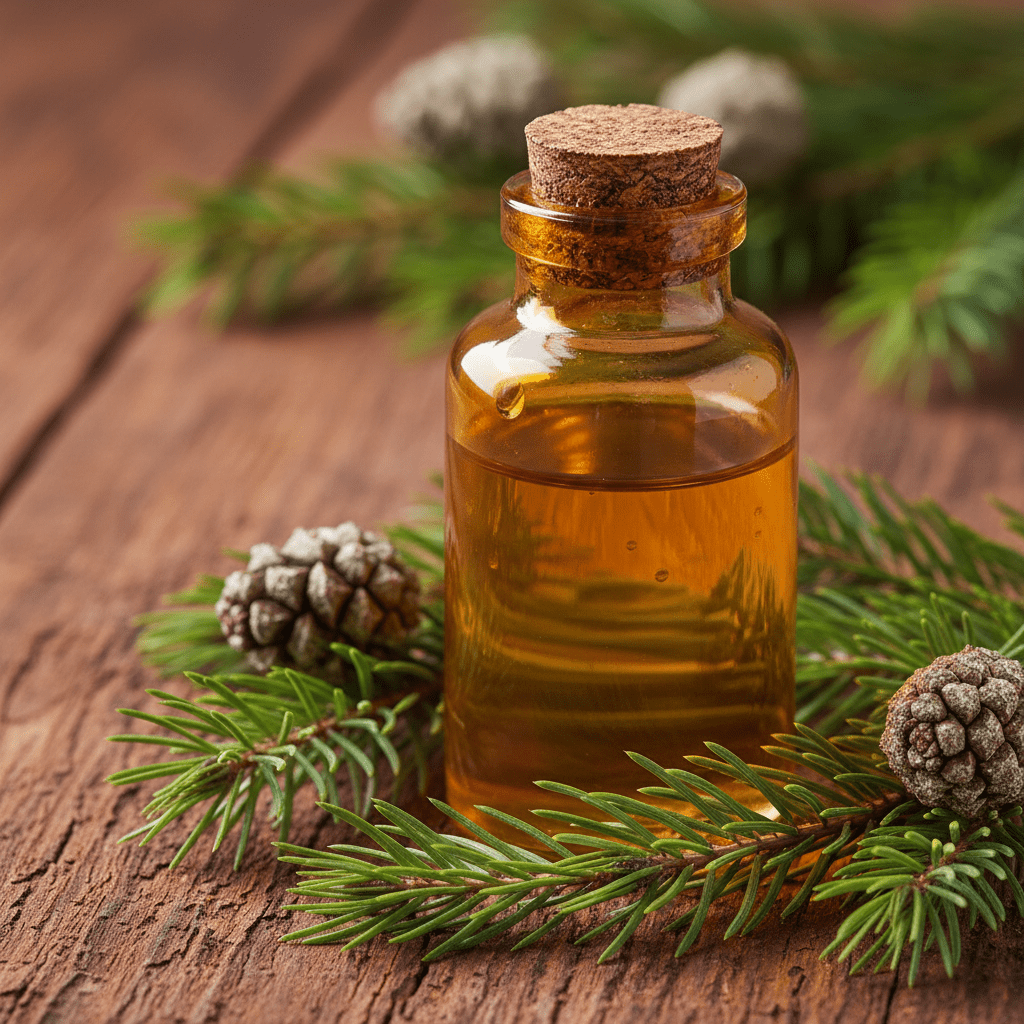
To make the real stuff, distillers take the needles, twigs, and cones—the parts of the tree that are sticky with resin—and blast them with steam. This process extracts a thin, pale yellow liquid that packs a serious punch. That’s your pure essential pine oil.
Here’s where the science gets kind of cool (and don’t worry, I’ll keep it simple).
That liquid isn’t just smelly water. It’s packed with compounds called terpenes. Think of these as nature’s tiny microscopic scrubbers. The main heavy hitter here is something called alpha-pinene, which usually makes up about 34% of the oil.
It works alongside its buddies, beta-pinene and limonene. Together, these monoterpene hydrocarbons make up roughly 85% of the oil’s composition. Why does this matter? Because these components are what actually dissolve grease and fight bacteria. They don’t just cover up odors; they chemically attack the mess.
The “Pine-Scented” Trap
Now, we need to talk about the elephant in the cleaning aisle.
Most of us grew up associating the smell of pine with that neon-green liquid in the big plastic jugs. I used to think that was what pine oil looked like.
Turns out, most of those commercial cleaners contain little to no actual pine oil. They use synthetic fragrance oils made in a lab. They mimic the smell of alpha-pinene using petroleum-based chemicals, but they lack the antimicrobial power of the real plant.
If you look at the back of a bottle and see “Parfum,” “Fragrance,” or just “Pine Scent,” you’re likely buying colored soapy water that smells like a tree.
Real pine oil—the kind suppliers like Aroma Monk test for purity—works differently. Because it contains those active terpenes, it disrupts bacterial membranes on contact. It’s like comparing fresh-squeezed orange juice to orange soda. One feeds your body; the other just tastes sweet.
So when we talk about cleaning with pine, we are strictly talking about 100% pure essential oil or cleaners derived directly from it. The fake stuff just can’t compete.
The Antimicrobial & Disinfecting Power of Pine Oil
So, here is the big question. Does pine oil for cleaning actually kill germs? Or does it just make your bathroom smell like a forest?
I used to worry about this too. When you have kids or pets, “smelling clean” is not enough. You want the nasty bugs gone.
The short answer? Yes, it works.
But let’s look at how it works because it is pretty fascinating. Remember those terpenes we talked about? Alpha-pinene and its friends? They are basically nature’s solvents. When terpene based cleaners touch bacteria or fungi, they don’t just sit there.
They attack the outer wall of the germ. Think of it like a pin popping a water balloon. Once that outer shell breaks, the bacteria can’t survive. It’s a physical attack, not just a chemical burn.
Taking on the Big Bad Bugs
You might think natural stuff is too weak for the gross bacteria in your home. But science says otherwise.
Studies have tested pine oil against some seriously unwanted house guests. We act like our homes are clean, but we are often fighting against things like Staphylococcus aureus (Staph), E. coli, and Salmonella.
One study found that pine oil stops these germs from growing. It is especially good at knocking out what scientists call “Gram-positive” bacteria (like Staph). This is the stuff that likes to hang out on door handles and light switches.
But what about the kitchen?
Your kitchen sponge or sink is often a hotel for E. coli and Salmonella. These are “Gram-negative” bacteria, which means they have a tougher armor. They are harder to kill. But research shows that at the right strength—usually around 0.1% to 0.5% concentration—pine oil can still inhibit them.
This makes it a solid natural disinfectant cleaner for daily messes.
It also explains why antimicrobial essential oils are so popular for bathrooms. It’s not just about the scent. Pine oil helps stop mold and mildew from taking over your shower curtains, too.
Pine vs. The Harsh Stuff
Look, I won’t lie to you. Bleach is nuclear warfare. It kills everything. But do you really need nuclear warfare on your kitchen counter every Tuesday?
Probably not.
Most commercial cleaners use harsh chemicals called “quats.” They work, sure. But they are often linked to asthma and nasty skin rashes. Pine oil offers a middle ground. You get the germ-fighting power without the migraines or the burning eyes.
Actually, there is another bonus.
Unlike alcohol-based cleaners that dry in seconds, essential oils tend to linger. They stay on the surface a little longer. This keeps the area hostile to bugs for a bit more time.
But here is the catch.
To get these results, you need potency. You can’t use a watered-down “pine scented” oil. You need pure oil, like the kind supplied by folks at Aroma Monk who actually lab-test for those specific terpenes. If the bottle doesn’t have the active ingredients, it won’t pop those bacterial balloons.
So, we know it kills the bad stuff. Now, we just need to know how to mix it up so it’s safe for your floors, your counters, and your family.

Beyond Disinfecting: Pine Oil as a Degreaser and Deodorizer
Okay, so we know it kills the invisible bad guys. But what about the mess you can actually see?
You know that sticky, yellow film that builds up on top of kitchen cabinets? Or that stubborn grease splatter behind the stove that seems immune to regular soap?
This is where the benefits of pine oil really shine in a different way. It turns out, the same compounds that pop bacteria balloons are also incredible solvents. In the industrial world, they actually use pine-derived ingredients to degrease heavy machinery.
So, your pasta sauce splatter doesn’t really stand a chance.
The Sticky Stuff Solution
Here is a little secret that saved my fingernails.
Have you ever bought a new vase or a picture frame, peeled off the price sticker, and were left with that gross, gummy square of residue? You scrub it, and it just turns into a gray smudge.
Most people grab toxic solvents like Goo Gone to fix this. But pine essential oil eats right through that adhesive naturally. Because it is a terpene-based solvent, it dissolves the glue bonds almost instantly.
Just put a drop of undiluted oil on a rag (always spot test your surface first!) and rub. The sticker gunk essentially wipes right off. It works on gum trapped in shoe soles and candle wax on tables too.
Stopping the Stink (Instead of Hiding It)
Now, let’s talk about smells.
We have all sprayed that “Clean Linen” aerosol in a smelly bathroom. Usually, you just end up with a room that smells like poop and fake flowers. That’s because most standard air fresheners just mask odors by overwhelming your nose with heavy perfumes.
Plus, those sprays contribute to the indoor air pollution we talked about earlier. Remember, indoor air can already be heavily polluted with VOCs from household products. Adding more chemicals to the air isn’t helping.
Pine oil for cleaning works differently. Since it is a natural disinfectant cleaner, it kills the bacteria that are actually causing the smell. It neutralizes the source.
This makes it perfect for:
- Garbage Cans: Put a few drops on a cotton ball and toss it at the bottom of the bin before you put the bag in.
- Diaper Pails: Wiping down the lid with a diluted mix keeps the bacterial funk away.
- Musty Basements: It tackles that damp, old smell that lingers in corners.
If you are a business owner or formulating your own products, this is why sourcing high-quality, pure oil—like what we see from suppliers like Aroma Monk—is a big deal. The fake stuff might smell like a forest, but it won’t cut through grease or kill odor-causing bacteria because it lacks those crucial solvent properties.
So, we have a cleaner that degreases, deodorizes, and disinfects. Ready to actually make some?
Get a quote from Aroma Monk.
Essential Oil Supplier – Bulk pricing • Samples • Fast response
How to Safely and Effectively Use Essential Pine Oil for Cleaning
Okay, hold on a second. Before you start pouring oil everywhere, we need to talk about strength.
Because we are dealing with 100% pure essential oil—like the potent stuff sourced by Aroma Monk—a little bit goes a very long way.
I used to think more soap meant a cleaner floor. But specifically with pine oil, using too much can actually leave a sticky residue or irritate your nose. You want to dilute it every single time.
Simple Recipes That Work
Here are the exact ratios that I use. They are safe but strong enough to get the job done.
- The Daily Spray: Mix 1 cup of water, 1/4 cup of white vinegar, and 10-15 drops of pine oil. This is great for counters and sinks.
- The Floor Wash: For a big bucket of hot water, add 1/2 cup of vinegar and about 10 drops of pine oil.
- Carpet Freshener: Mix 15 drops into a cup of baking soda. Sprinkle it, wait 20 minutes, then vacuum.
Generally, you want to stick to a 1-2% dilution rate for cleaning products. That keeps it effective without being overwhelming.
Where NOT to Use It
Remember how we said pine oil dissolves glue? That means you have to be careful with certain surfaces.
It is fantastic on sealed wood, tile, linoleum, and stainless steel.
But be careful with plastics. Because it is a solvent, strong pine oil can actually melt or warp cheap plastics over time. Also, avoid using it on unsealed wood or waxed floors, as it might strip the finish right off.
A Serious Note on Safety (Please Read This)
This is the most important part.
First, skin safety. Direct contact with the undiluted oil can cause a rash or burn. Always wear gloves when you are mixing your concentrates. If you do get some on your hands, wash it off with soapy water immediately.
Second, pets. Specifically cats.
I love my cat, but I never use pine oil in the room she is sleeping in. Cats have a really hard time processing certain compounds in essential oils.
Veterinarians warn that pine oil is highly toxic to cats if they ingest it or absorb it through their skin. It can cause serious liver damage.
So, if you have kitties at home? Maybe stick to using pine oil for the heavy-duty jobs in the garage or bathroom where they don’t hang out, and always air the room out before letting them back in. Dogs are usually tough enough to handle the scent, but always keep the bottle itself locked away where no curious noses can find it.
Basically, treat it like the powerful tool it is. Respect the oil, and it will clean your house better than anything else.

DIY Eco-Friendly Pine Cleaner Recipes for a Sparkling Home
Ready to channel your inner scientist?
Don’t worry, we aren’t blowing anything up. We are just mixing up some simple ingredients that you probably already have in your pantry.
Making your own DIY pine cleaner is honestly one of the most satisfying things you can do. It saves you a ton of money, cuts down on plastic waste, and gives you total control over what you are spraying in your home.
Plus, it takes about five minutes.
Here are three recipes that I use pretty much every week. These cover everything from your kitchen counters to that grime in the shower.
1. The Better Than The Green Stuff All-Purpose Spray
This is your go-to pine sol alternative natural spray. It works on counters, sinks, and spot-cleaning floors.
What you need:
- 1 cup of distilled water (tap water is okay if you use it quickly)
- 1/4 cup of white vinegar
- 15 drops of essential pine oil
- 1 teaspoon of liquid Castile soap (or dish soap)
How to make it:
Pour everything into a glass spray bottle. Why glass? Remember, essential oils can eat through cheap plastic over time.
Pro tip: Do not skip the soap! Oil and water basically hate each other. The soap acts as an emulsifier that helps the oil mix into the water so you get an even clean every time.
2. The Heavy-Duty Scrubbing Paste
Sometimes a spray just doesn’t cut it.
If you have stubborn soap scum in the tub or burnt food on the stove, you need some grit. This paste uses baking soda to scrub and pine oil for cleaning and degreasing.
What you need:
- 1 cup baking soda
- 2 tablespoons liquid Castile soap
- 10 drops pine oil
- Water (just a splash)
Mix the baking soda and soap in a bowl. Add the pine oil. Then, add water slowly just a teaspoon at a time until it looks like frosting.
Scoop some onto a sponge and scrub away. It cuts through grease like magic.
3. The Old-School Floor Wash
For mopping, we keep it simple. You want a natural disinfectant cleaner that doesn’t leave your floor sticky.
The Mix:
- 1 gallon of hot water
- 1/2 cup white vinegar
- 10-15 drops of pine oil
Just dump it in the bucket and mop. The vinegar helps streak-free drying, and the hot water activates the pine scent. Your whole house will smell like a forest.
A Quick Note on Ingredients
These recipes rely on the power of the oil. If you are a business owner making these mixes to sell, or just a homeowner who wants results, the quality of your oil matters.
Using a generic scented oil won’t kill the germs. You need pure oil that has actual terpenes in it. That’s why suppliers like Aroma Monk are important they provide the lab-tested, pure stuff that actually does the heavy lifting.
Mix these up, give them a shake, and say goodbye to the chemical headache.
Conclusion: Embracing Pine Oil for a Cleaner Home and a Healthier Planet
You know, changing how we clean isn’t just about swapping one plastic bottle for another. It’s about deciding what we want our families to breathe in every day.
We’ve seen that pine oil for cleaning is basically a triple threat. It kills germs, cuts through that sticky grease behind the stove, and actually stops odors instead of just covering them up.
It makes sense why this switch is happening everywhere. Actually, the numbers are pretty wild. Reports show that the green cleaning market is exploding, with some projections hitting up to $158 billion by 2034.
Why the big jump?
Because people are tired of the headaches from harsh chemicals. In fact, 42% of millennials are already actively choosing plant-based options over traditional poisons.
We are part of a massive “low-tox” movement.
But remember, the results rely entirely on the quality of the ingredients. If you want a real natural disinfectant cleaner, you can’t use the fake stuff. Whether you are mixing a bottle for your kitchen or sourcing oils for your own business product line, getting lab-tested, pure oil—like the kind supplied by Aroma Monk—is the only way to make sure it actually works.
So, give those recipes a try. Your home will smell like a walk in the woods, and you can rest easy knowing it’s truly clean.
Get a quote from Aroma Monk.
Essential Oil Supplier – Bulk pricing • Samples • Fast response