
The Scent of Change: Why Conscious Sourcing is the Future of Perfumery
You know what’s wild? The global fragrance world is worth over $56 billion right now. And it’s not slowing down. By 2030, experts say it’s going to hit nearly $75 billion. But here’s the thing—people aren’t just buying smells anymore. They’re buying the story behind the bottle.
If you’re an indie maker or running a beauty brand, you probably feel this shift every day. Your customers are asking the tough questions. “Where did this sandalwood come from?” “Is this actually eco-friendly?” And let’s be honest, finding a straight answer is harder than it should be.
The demand for sustainable essential oils for perfume is huge. Actually, in places like the Asia-Pacific region, the organic perfume market is set to grow fast through 2033. But trying to find high-quality perfume oil essential ingredients often feels like walking through a minefield of tricky marketing. We call it “greenwashing,” and it makes finding genuine ethical perfume oil sourcing partners a total headache for artisans who care.
So, let’s clear the air.
We’re going to figure this out together. This guide is your roadmap to cutting through the noise. We’ll look at how to handle vetting essential oil suppliers who are the real deal, not just excellent marketers. We’ll talk about avoiding wildcrafted perfume ingredients that hurt the planet and finding traceable fragrance components instead. Whether you need certified organic essential oils or just honest answers, we’ve got you covered.
Time to make scents that smell good and feel mightily good from farm to bottle.
1. The Hidden Costs: Unpacking the Environmental and Social Impact of Essential Oils
Ever wonder why a tiny bottle of jasmine oil costs so much? Or why some bottles you find online are suspiciously cheap?
It takes a huge amount of plants to make just a little bit of oil. And honestly, getting those drops can be really hard on the planet.
Think about the water and fuel involved here. To get the oil out of plants, you usually need steam distillation. That takes a lot of energy. In some places, locals have to cut down nearby trees just to burn wood for the fires. For example, some ylang-ylang production burns thousands of tons of wood a year. That is a lot of forest disappearing just for a nice smell.
Plus, these oils don’t just magically appear in your studio. They travel. Shipping ingredients from India or Australia to the US adds a hefty carbon footprint to your natural perfumery supply chain.
The Trees Are Disappearing

Some of the most beautiful scents are actually in big trouble.
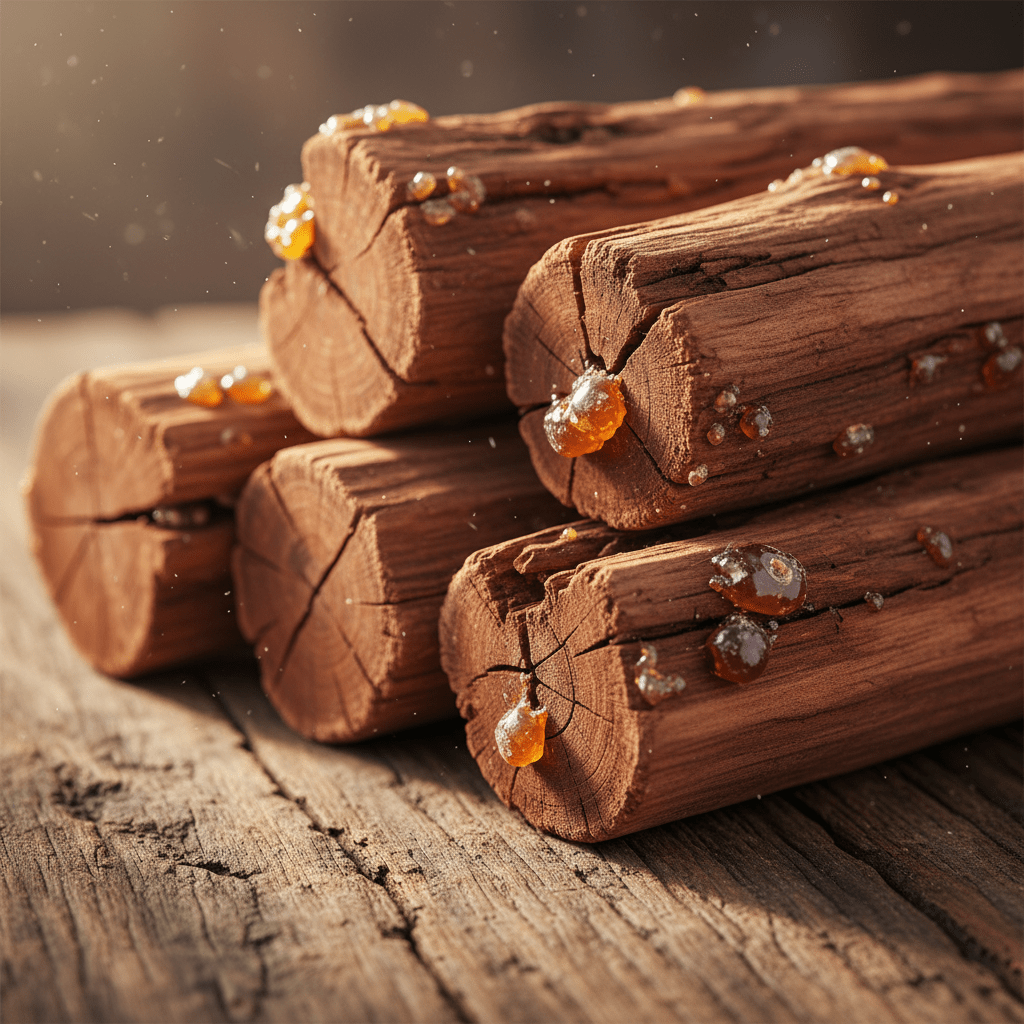
- Sandalwood: A tree needs 30 to 40 years to mature before it makes good oil. But because everyone wants it right now, illegal harvesters cut them down way too early. In some areas, wild Sandalwood is basically extinct.
- Frankincense: These trees need rest after being tapped for resin. But rising demand means they get tapped too much, get sick, and die.
The Human Side of Scent
But it’s not just about plants. It’s about the people growing them.
When we talk about ethical perfume oil sourcing, we have to talk about farmers. Many ingredients come from poorer parts of the world. If a big company demands rock-bottom prices, the growing communities suffer. Farmers might not earn enough to feed their families, let alone treat the soil kindly.
Indigenous communities often hold the knowledge of how to harvest these plants safely. But if they are pushed out by big commercial farms or treated unfairly, that knowledge gets lost. And the land suffers.
What This Means for Your Perfume
Here is the truth no one puts on the label: The energy of the source is in the final product.
If your lavender oil came from a farm that drains the local water supply, or your sandalwood was stolen from a protected forest, that history is in your perfume. Your customers might not see it, but the quality often shows it. Unhappy plants and hurried harvesting usually mean a flatter, less complex scent.
We see this all the time at Aroma Monk. The best oils—the ones that really sing in a blend—come from happy farms where growers are paid fairly. Real sustainable essential oils for perfume carry a richness you just can’t fake.
So, when you choose your ingredients, you are choosing the impact you want to have. Do you want a scent that takes from the earth, or one that honors it?
2. Decoding the Terminology: What Does “Sustainable Sourcing” Truly Mean?
Let’s be real for a second. Walking into the world of suppliers feels like learning a new language. You see words like “green,” “clean,” “pure,” and “eco-friendly” slapped on pretty much everything.
It gets confusing fast. I mean, arsenic is “natural,” but you definitely don’t want it in your perfume.
So, before you start spending money, we need to agree on what sustainable essential oils for perfume actually are. It’s not just a buzzword. It usually breaks down into three big buckets:
- The Planet (Environmental): Is farming hurting the earth? Are they using nasty chemicals or stealing water from the locals?
- The People (Social): This is the ethical perfume oil sourcing part. Are the farmers getting paid enough to eat and send their kids to school?
- The Future (Economic): Can this farm keep going for ten years, or are they going to burn out the soil and quit?
If a supplier can’t talk about all three, that’s a red flag.
The Label Dictionary
You’re going to see a few specific terms over and over. Here is what they actually mean (and what they don’t).
Organic vs. Certified Organic
There is a huge difference here. “Organic” might just mean the farmer says they didn’t use pesticides. But certified organic essential oils have proof.
For example, to get the USDA seal, the product has to be 95% organic ingredients produced without prohibited methods. They check for synthetic fertilizers, sewage sludge (gross, I know), and GMOs. So when you buy certified, you have a paper trail. Check the official USDA guidelines to see how strict this really is.
Wildcrafted
This sounds romantic, right? Like someone wandering through a misty forest picking flowers.
And sometimes, it is. Wildcrafted perfume ingredients are gathered from nature, not a farm. But this is risky if done wrong. Ethical wildcrafting means you never take everything. You leave enough for the plants to grow back.
Usually, good harvesters only take about 15% of what’s there. If they strip the whole area, that species might never come back. Read more on ethical wild harvesting to understand the delicate balance.
Fair Trade
This is about the humans. Fair trade essential oils ensure that the people doing the hard work—picking the jasmine at dawn or carrying heavy sacks of vetiver—get a fair price. It stops big companies from bullying small farmers into poverty.
The Magic Word: Traceability
If you take one thing away from this section, make it this: Traceability.
It’s basically a passport for your oil.
In a natural perfumery supply chain, you should be able to look at a batch of oil and know exactly where it came from. Some innovative companies are even using blockchain now to track this.
It creates a digital map from the seedling to the bottle on your shelf. This tech stops people from faking it or watering down the product. See how modern supply chain tracking works here.
When we look for ingredients at Aroma Monk, we always ask for the backstory. We want to see the harvest dates and the lab tests. Because if a supplier can’t show you where their traceable fragrance components heavily rely on, they probably have something to hide.
Now that we know the words, let’s talk about how to actually spot the good guys among the fakers.
Get a quote from Aroma Monk.
Essential Oil Supplier – Bulk pricing • Samples • Fast response
3. Your Sourcing Compass: Key Certifications and Standards to Look For
You know that feeling when you look at a product label and it looks like a NASCAR jacket? Just stickers and logos everywhere.
It works the same way with essential oils. You see bunnies, leaves, globes, and checkmarks. But let’s be honest—do we really know what they mean? Or do we just trust them because they look official?
If you want sustainable essential oils for perfume, you have to look past the pretty design. Using certified organic essential oils or fair trade essential oils isn’t just about feeling good. It’s about protecting your business from buying fake or dirty products.
Let’s break down the big ones you need to know.
The Gold Standard: USDA Organic
A lot of people use the word “organic.” My grandmother says her tomatoes are organic because she talks to them. That’s sweet, but it’s not certification.
The USDA Organic seal is serious business. For a bottle to carry that circle, the oil inside must be made of at least 95% organic ingredients. Use logic here—if it’s only 70%, they can’t use the seal.
Here is what that seal actually prevents:
- No GMOs. Genetically modified stuff isn’t allowed.
- No Synthetic Fertilizers. The farmers can’t dump fake nutrients on the soil.
- No Sewage Sludge. Yeah, you read that right. Without certification, “natural fertilizer” can technically mean… well, use your imagination.
Getting this seal is hard work. It involves a five-step process including site inspections and a review of every single substance the farmer uses. So when you buy a bottle from us, you know someone checked the receipts.
The Human Element: Fair Trade

While USDA looks at the dirt, Fair Trade looks at the people.
We talked earlier about how hard it is to harvest these plants. Fair Trade confirms that the farmers aren’t being exploited. It ensures safe working conditions and, most importantly, a minimum price that covers the cost of living.
But here is a tricky part you should know.
Fair Trade certification costs money. For a small business, the application fee alone is around $600, plus annual fees. That might not sound like much to a big corporation, but for a tiny family farm in India, it’s a fortune.
So, sometimes you might find an amazing supplier who treats their workers like family but can’t afford the logo. That’s why talking to your supplier matters more than just reading the sticker.
Safety First: ISO and IFRA
Okay, these aren’t usually stickers on the bottle, but they are crucial for ethical perfume oil sourcing.
- ISO (International Organization for Standardization): These are global rules for quality. They tell you how to store, label, and test oils so they don’t go bad.
- IFRA (International Fragrance Association): These guys set the safety limits. They tell you, “Hey, don’t put too much of this oil in a face cream or it will burn.”
If a supplier doesn’t know what IFRA guidelines are, run away. Fast. It means they aren’t paying attention to safety. See how quality standards work here.
How to Verify (And Avoid Getting Scammed)
It is surprisingly easy to copy-paste a logo onto a website. I’ve seen it happen.
So, how do you know if your perfume oil essential ingredients are the real deal?
- Ask for the Paper: Don’t just look at the bottle. Ask for the current certificate. It should have dates on it.
- Check the Name: The certificate must match the supplier’s name. If it belongs to some other company, ask why.
- Traceability: Can they tell you which batch this came from?
At Aroma Monk, we rely on rigorous lab testing and clear traceability. We believe you should know exactly what is going into your blends. If a supplier gets defensive when you ask for proof, that is a massive red flag.
It’s a bit of extra work, I know. But frankly, your customers are worth it.
4. Beyond the Certificate: A Practical Guide to Vetting Your Suppliers
Okay, so the paperwork looks good. The website has nice pictures of lavender fields. But here’s the thing—anyone with Photoshop can make a certificate look official.
Paperwork is a great start, but it’s not the finish line. If you are serious about finding high-quality perfume oil essential ingredients, you have to put on your detective hat. You need to look past the marketing fluff and see what is really going on behind the scenes.
I’ve learned this the hard way: A logo on a website doesn’t always mean the oil in the bottle is safe or pure. So, how do you spot the fakers without flying halfway across the world to inspect a farm?
The “Too Good to Be True” Test
First, trust your gut on the pricing.
We all want a deal. But in this industry, cheap usually means dirty.
Take Rose oil or Sandalwood, for example. These are precious materials. It takes thousands of pounds of petals to make one pound of oil. If a supplier is selling these traceable fragrance components for twenty bucks an ounce, something is wrong.
They might be cutting it with cheaper carrier oils, or worse, synthetic chemicals that mimic the smell but have none of the soul. Low prices are often a major red flag for adulteration. If the price is shockingly low, you aren’t getting a bargain; you’re getting scammed.
Also, watch out for vague language. If the only description is “100% Pure and Natural,” that’s basically saying nothing. Pure what? Natural according to whom? Ethical suppliers love to brag about the details—the botanical name, the country of origin, and the extraction method.
The Interrogation: Questions You Must Ask

Don’t be shy. You are the customer, and you have the right to know what you are buying.
When we are vetting essential oil suppliers at Aroma Monk, we ask the annoying questions so you don’t have to. But if you are doing this solo, here is your script:
- “Can I see the GC/MS report for this specific batch?”
Don’t just ask for a report. Ask for the one that matches the bottle you are buying. A Gas Chromatography-Mass Spectrometry (GC/MS) report is like a DNA test for oil. It breaks down the chemical fingerprint so you can see if any nasty additives are hiding in there. Learn more about why testing matters. - “Do you deal directly with the farms?”
The more middlemen involved, the murkier the water gets. A shorter supply chain usually means better quality and fairer pay for the farmers. - “How do you handle sustainability?”
If they give you a generic answer like “we love the earth,” dig deeper. Ask about water usage or replanting efforts.
Date Before You Marry
This is my golden rule: Never place a huge order with a new supplier right away.
Start with a sample.
When it arrives, don’t just smell it. Look at it. Does it look right? Does it smell complex and deep, or flat and chemical-like? Compare it to oils you know are good.
Building a supply chain for sustainable essential oils for perfume takes time. It’s a relationship, not just a transaction. The best suppliers—the ones we partner with—act like part of your team. They want your products to be amazing because when you win, they win.
If a supplier gets defensive when you ask questions or hesitates to send a sample, walk away. There are plenty of honest folks out there who are doing it right.
At Aroma Monk, we’ve already done the heavy lifting of vetting, testing, and verifying. But whether you source from us or go your own way, never settle for a mystery in a bottle.
5. Putting It Into Practice: Examples of Ethical Sourcing in Action
Talking about rules and certifications is great. But honestly? It can feel a bit dry until you see real people actually doing it.
Theory is nice, but practice is where the magic happens.
Let’s look at a few trailblazers who are rewriting the rules of the natural perfumery supply chain. These companies aren’t just buying ingredients; they are building relationships. They prove that you can run a profitable business while being kind to the planet.
Turning Waste into Wealth
Have you heard of Sana Jardin? They are a fantastic example of a brand thinking outside the box.
In the traditional perfume world, tons of plant matter gets thrown away after the oil is extracted. It’s just… garbage. But Sana Jardin realized that this “waste” was actually an opportunity.
They help female harvesters in Morocco turn the leftover orange blossoms into their own line of products, like candles and compost. It’s a “circular” model. Instead of just taking the oil and leaving, they help the local women become micro-entrepreneurs. Read more about this circular model here.
This is what ethical perfume oil sourcing looks like in real life. It’s not just about the smell; it’s about leaving the community better than you found it.
The Digital Passport for Jasmine
Sometimes, trust needs a little help from technology.
Imagine buying Jasmine Sambac and knowing exactly which field in India it came from, down to the harvest date. That is what Nesso did by partnering with TraceX. They used blockchain technology to track their jasmine supply chain.
Think of it as a digital passport that follows the flowers. It records every step—from the farmer picking the bud to the final extraction. Because the data is locked in a digital ledger, nobody can fake it. This ensures the traceable fragrance components are legit and the farmers are paid properly. See how this tracking works.
Earth-to-Skin Integrity
Then there’s the approach taken by suppliers like Fairoils.
They work with over 6,000 small farmers in places like Kenya and Madagascar. Their philosophy is simple: “Earth-to-Skin.” Instead of buying from a broker who bought from a broker, they go straight to the source.
They use data to make sure farmers are getting living wages, not just minimum price. When farmers are paid well, they don’t need to cut corners or hurt the soil to make ends meet. This results in fair trade essential oils that are pure and potent.
What This Means for You
You might be thinking, “That’s cool for big brands, but I’m just one person blending in my spare room.”
Here connects the dots. You don’t need a million-dollar budget to access these sustainable essential oils for perfume. You just need the right partners.
At Aroma Monk, we admire these models because we operate the same way. We handle the vetting, the lab testing, and the global sourcing so you don’t have to. We believe even the smallest indie maker deserves access to certified organic essential oils and transparent sourcing.
Because when you buy a bottle from us, you aren’t just buying a scent. You’re joining a movement.
Crafting a Better Future: Your Role in the Sustainable Fragrance Movement
So, we’ve covered a lot. From the tragic loss of ancient Sandalwood trees to the cool blockchain tech tracking jasmine in India. It might feel a bit heavy sometimes. But actually? It is incredibly exciting.
We are watching the industry change right in front of us.
The world is waking up. It’s not just about smelling nice anymore. Scent lovers are smart—they want to know the story behind the bottle. In fact, the global demand for natural and organic cosmetics is surging because people are tired of vague ingredients and hidden chemicals.
This isn’t a trend that will vanish next week. It is the new standard.
Your Choice Matters
Here is the bottom line: The quality of your perfume oil essential ingredients starts way before you unscrew the cap.
It starts with the soil. It starts with the hands that picked the flowers. You can’t have a truly luxury scent if it came from a place of suffering or depletion. Real magic—the kind that makes a customer fall in love with your blend—comes from ethical perfume oil sourcing.
If you are a maker, you have a lot of power. Every time you buy a liter of oil, you are voting for the kind of world you want to live in.
Let’s Do This Together
Don’t let the pressure stops you from starting. You don’t have to be perfect tomorrow. Just take one step.
Ask your current supplier a tough question this week. Look for one certification you didn’t notice before. Or, if you want to skip the headache and get straight to the good stuff, come talk to us.
At Aroma Monk, we have already done the hard work of vetting, testing, and verifying. We want to be the partner that helps you build a legacy, not just a product.
Let’s make something beautiful—and kind—together.
Get a quote from Aroma Monk.
Essential Oil Supplier – Bulk pricing • Samples • Fast response