
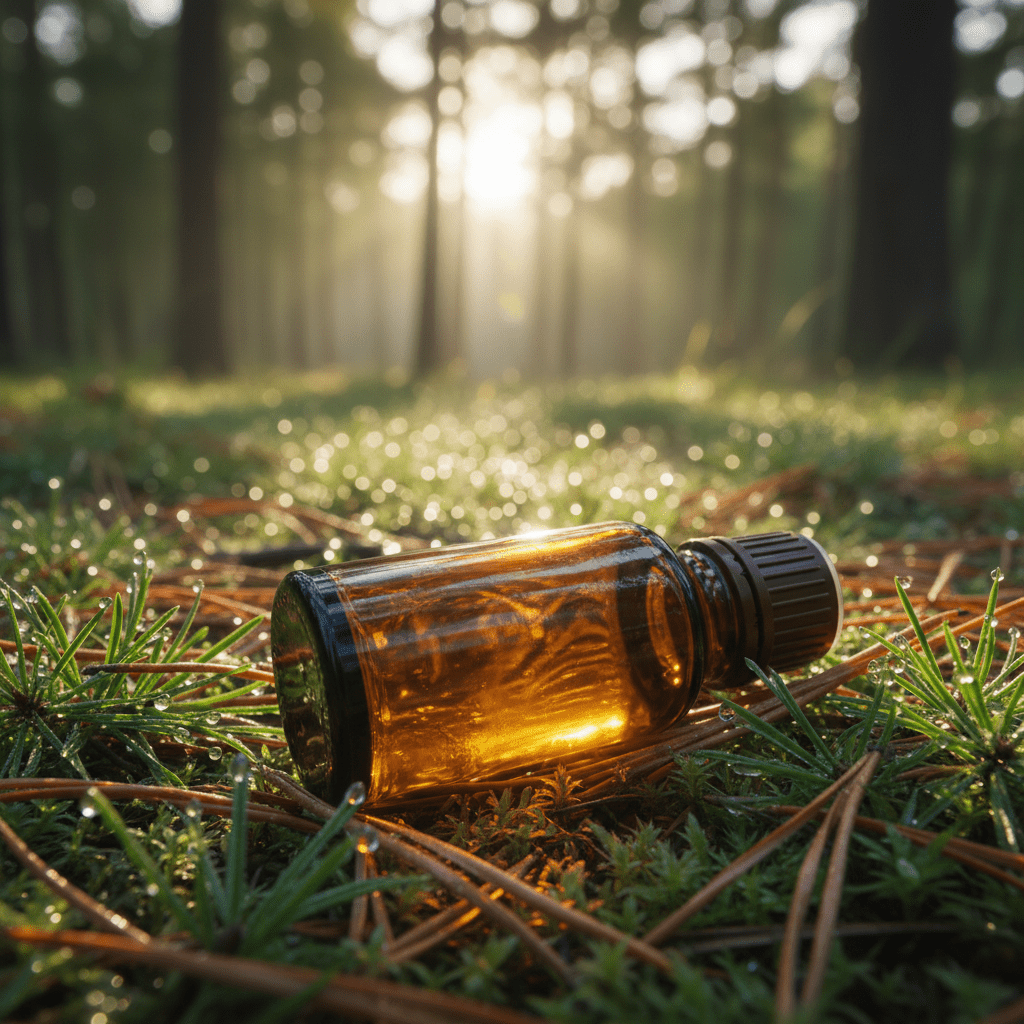
Tired of Chemical Sprays? Discover the Natural Power of Pine Oil
You know that sticky, gross feeling after spraying yourself for bugs? It’s arguably worse than the bites. And the smell usually lingers on your clothes for days. It makes you wonder what exactly you are putting on your skin.
Actually, you aren’t the only one asking that question.
We are seeing a huge shift right now. More families are ditching the harsh chemicals for plant-based options. In fact, the global market for natural insect repellents hit $2.1 billion in 2024 as people look for safer alternatives.
This is where pine oil comes in.
It smells like a fresh forest, not a lab. But it’s more than just a nice scent. Ancient cultures used pine resin for centuries to heal wounds and keep pests away. It is a time-tested solution that nature provided long before aerosol cans existed.
So, ready to try pine oil for insects?
In this guide, we will explore the best pine oil uses for your home and outdoor adventures. We’ll explain how it works, share a simple DIY bug spray with pine oil, and walk you through safety tips to keep your family (and pets) safe. Let’s find a better way to keep the bugs biting someone else.
Section 1: What Exactly is Pine Oil? (And What It’s Not)
First off, let’s clear up a massive confusion. Before you go grabbing that bottle of floor cleaner from under the sink—stop.
That is not the pine oil we are talking about.
When we talk about natural bug repellents, we mean pine essential oil. This is the pure stuff extracted typically through steam distillation. They take the needles, twigs, and cones from trees like the Scots Pine (Pinus sylvestris) and steam them until they release their potent oils. It’s concentrated. It’s powerful. And it comes straight from the tree.

Here is why the distinction matters (like, really matters):
- Pine Essential Oil: Pure, plant-based, used for aromatherapy and skin applications (when diluted). This is what you want.
- Pine-Sol / Commercial Cleaners: These often use synthetic fragrance mimics or harsh surfactants. They are for floors, not your arms.
- Turpentine: This is a solvent derived from pine resin, mostly used for thinning paint. It’s industrial strength and definitely not for pine oil uses on the body.
If you use the wrong one, you could end up with a nasty chemical burn instead of bug protection. Not fun.
So, what makes the good stuff work?
It comes down to a compound called alpha-pinene. I know, sounds scientific, but it’s basically the engine behind the smell and the repellent power. It’s the active ingredient that does the heavy lifting. In high-quality Scots pine oil, this compound can make up nearly 60% of the liquid. It’s what bugs can’t stand.
When you are looking for pine oil for insects, you need to check the label. You want 100% pure essential oil.
Buying from suppliers who verify their sources is the only way to be sure you aren’t getting synthetic fillers. Companies that specialize in raw, natural ingredients—like Aroma Monk—focus on this purity because that’s where the safety and effectiveness come from. If it doesn’t say “100% Essential Oil,” put it back on the shelf.
Now that we know what we are holding, let’s look at how to actually use it without turning yourself into a walking air freshener.
Section 2: The Science: How Pine Oil Repels Insects
Okay, so we know it works. But how?
It’s not magic. And it’s not just because bugs hate the smell of Christmas trees. Actually, the science behind it is pretty fascinating.
Think about how a mosquito finds you. It tracks you down. It effectively smells your breath (carbon dioxide) and your sweat. You are basically a walking dinner bell to them.
Pine oil for insects works like an invisibility cloak.
When you apply pine needle oil repellent, the strong aroma masks the scents your body releases. The bug stops smelling “human dinner” and just smells “pine tree.” Since mosquitoes don’t eat trees, they usually keep flying. It confuses their radar completely.
But there is more to it than just hiding.
It fights back, too.
Remember that compound we mentioned? Alpha-pinene. To us, it smells fresh and clean. To a bug? It is a neurotoxin.
When insects get close to these plant compounds, it messes with their nervous system. It overloads them. It’s irritating and dangerous for them, so they stay away to survive. It operates as nature’s “Do Not Enter” sign.
Research has actually shown that pine oil benefits extend to ticks as well. Compounds found in pine oil, like isolongifolenone, have been shown to repel ticks just as well as some chemical sprays in lab tests. so you are covered on two fronts.
The best part is how long it lasts.
A lot of people think natural sprays fade in twenty minutes. Not this one. Studies have found that pine oil can provide protection against certain mosquitoes for over 9 hours—sometimes even up to 11 hours. That puts it right up there with the heavy-duty stuff.
It also handles the bugs you can’t see yet.
If you have standing water where bugs are breeding, pine oil can help there too. It acts as a larvicide. This means it stops eggs and larvae from growing into adults. You aren’t just fighting the swarm; you are stopping the next generation.
But—and this is a big “but”—the science relies on purity.
If you use a watered-down oil or a synthetic fragrance, you won’t get enough alpha-pinene to scare off a fly. The chemistry has to be right. At Aroma Monk, we focus on keeping those natural compounds intact during distillation. You need that high concentration for the science to actually do its job.
Now, let’s look at how to mix this safely so you can use it on your next hike.
Get a quote from Aroma Monk.
Essential Oil Supplier – Bulk pricing • Samples • Fast response
Section 3: Practical Pine Oil Uses: Your DIY Repellent Toolkit
Alright, enough with the science lesson. Let’s get to the fun part.
It is time to turn that bottle of oil into something you can actually use. Making your own natural insect repellent isn’t complicated. You don’t need a chemistry degree or a fancy lab coat. You basically just need a glass bottle and a steady hand.
But wait—don’t just dump the oil into a spray bottle filled with water.
I learned this the hard way. Oil and water don’t mix (obviously). If you do that, you’ll end up spraying pure, undiluted pine oil right onto your skin with the first pump, which can sting like crazy. We need a carrier to help dilute it safely.
Here are three simple recipes to handle bugs basically everywhere.
1. The “Invisible Hiker” Body Spray
This is your go-to DIY bug spray with pine oil. It’s perfect for camping, hiking, or just hanging out in the backyard. Since you are putting this on your skin, we use a carrier oil instead of water to keep it moisturizing and safe.

What you need:
- A small glass spray bottle (2 oz size is perfect)
- 2 tablespoons of Jojoba oil or Fractionated Coconut oil (these aren’t greasy)
- 10-15 drops of Pure Pine Essential Oil
How to make it:
- Pour the Jojoba oil into the bottle first.
- Add your drops of pine oil.
- Screw the lid on tight and give it a good shake.
That creates roughly a 2% dilution, which is generally safe for most adults to use daily.
Just spray it on your arms and legs. Rub it in. Not only does it keep the mosquitoes away, but you also smell like a walk in the woods instead of a chemical factory.
2. The Home Perimeter Defense
Ants and spiders tend to sneak in through cracks in windows and doors. This spray is a bit stronger because it’s not for your skin—it’s for your house.
What you need:
- 1 cup of water
- 1 tablespoon of rubbing alcohol or high-proof vodka (this helps the oil mix with the water)
- 20-30 drops of Pine Essential Oil
Mix it all in a spray bottle. Shake it well before every use.
Go around your house and spray the door frames, window sills, and baseboards. It creates a scent barrier. Insects rely heavily on scent trails to find food; this disrupts their map. Plus, it works as a natural disinfectant against household bacteria.
3. The Garden Guardian
If aphids are eating your roses, pine oil can help. But be careful—plants can be sensitive to oils in the hot sun.
How to use pine oil in the garden:
- Mix 1 teaspoon of mild dish soap into a quart of water.
- Add just 5-10 drops of pine oil.
- Spray the leaves of your plants in the evening.
(Seriously, do it in the evening. If you spray oil on leaves in the direct midday sun, you might accidentally fry your tomato plants. I’ve done it. It’s tragic.)
The Passive Approach
Don’t want to spray anything? You don’t have to.
Take a few cotton balls and put 3 drops of pine oil on them. Tuck them into the back of your closets or drawers. This is an old trick to keep moths away from clothes. Or, if you are sitting on the patio, put a few drops in an outdoor diffuser. It creates a “no-fly zone” around your table.
A Quick Note on Quality:
Because these recipes rely on the chemistry of the plant, the quality of your oil assumes a starring role. If you use a cheap synthetic oil, you might get the smell, but you won’t get the repellent effect. At Aroma Monk, we ensure our pine oil is pure and lab-tested, so when you count out 15 drops, you know exactly what you are getting.
Now that you have your sprays ready, we need to talk about safety. Because even natural things need to be handled with respect.
Section 4: Safety First: Using Pine Oil Responsibly
Here is the deal. Just because something is “natural” doesn’t mean it is inherently harmless. Poison ivy is natural, right? But you probably wouldn’t rub that on your face.
When we talk about pine oil safety, we have to treat it with respect. Essential oils are highly concentrated plant medicine. They are potent.
Here is how to use them without regretting it.
The 24-Hour Rule (Patch Testing)
Before you slather your new DIY bug spray with pine oil all over your legs before a hike, test it on a small spot first.
Put a tiny drop of your diluted mix on the inside of your elbow. Then, wait.
Give it 24 hours. If your skin turns red, gets itchy, or bumps appear, wash it off immediately. It means your skin is sensitive to the terpenes in the pine. It happens. Better to have a small itchy spot on your arm than a full-body rash while you are five miles into the woods.
Also, never use the oil undiluted. Putting straight essential oil on your skin is a recipe for a chemical burn. Always mix it with a carrier oil like jojoba or coconut first.
The “Cat Warning” (Please Read This)
If you have a cat, you need to be extremely careful.
This is scary, but you need to know it: Pine oil is toxic to cats.
Unlike dogs or humans, cats are missing a specific liver enzyme called glucuronyl transferase. Basically, their bodies cannot break down certain compounds found in pine, like phenols. If they inhale too much of it from a diffuser or get it on their fur (which they then lick off), it can build up in their system and cause liver failure.
So, if you are diffusing pine oil for aromatherapy, do it in a room your cat can’t access. And never spray your cat with your bug repellent. Dogs are generally tougher, but it’s still best to keep the oils off their fur to prevent them from licking it.
Storing Your Stash
Light and heat are the enemies of essential oils.
If you leave your bottle of pine oil on a sunny windowsill, the UV light can change the chemical makeup of the oil. It oxidizes. When pine oil oxidizes, it becomes much more likely to irritate your skin.
Keep your bottle in a cool, dark place—like a bathroom cabinet or a drawer.
A Note for Moms and Parents
If you are pregnant, nursing, or have small children, check with your doctor before using essential oils. While many people use pine oil for mosquitoes safely, kids have thinner skin and developing systems. What works for an adult might be too strong for a toddler.
That helps explain why sourcing matters so much. At Aroma Monk, we handle bulk oils that are lab-tested for purity. We know exactly what is in the bottle, which makes following safety guidelines much easier. When you know there are no hidden synthetic fillers, you have more control over what you are putting on your family’s skin.
Section 5: Beyond Bug Spray: Other Valuable Pine Oil Uses
So, the bugs are gone. The patio is safe. But now you have a bottle of oil sitting on the counter, and you are probably wondering, “What else can I do with this?”
A lot, actually.
It turns out that pine oil uses go way beyond just keeping mosquitoes off your ankles. This stuff is a workhorse around the house. Since Aroma Monk supplies this in bulk, you don’t have to be stingy with it. You can put it to work everywhere.
The Natural “Super Cleaner”
You know that strong chemical smell that comes with most bathroom cleaners? The one that makes you want to open a window?
You can skip that.
Because pine oil is packed with those terpenes we talked about earlier, it acts as a powerful natural disinfectant. It doesn’t just smell clean; it actually cleans. Studies have shown that pine oil has strong antibacterial properties, fighting against common household nasties like E. coli, Staph, and even Salmonella.
I like to add about 20 drops to a bucket of warm water and a splash of vinegar for mopping floors. It cuts through grease, fights germs, and leaves the whole house smelling like a forest instead of a hospital.

The Stink Destroyer
Let’s be honest about something. Trash cans smell bad. Gym shoes smell worse.
Most air fresheners just spray a flower scent on top of the bad smell. It’s like putting a band-aid on a broken leg. It doesn’t really fix anything.
But since pine oil attacks the bacteria causing the odor, it actually solves the problem.
Try this: Put a few drops on a cotton ball and toss it into the bottom of your kitchen trash can (under the bag). Or, tuck a pine-soaked cotton ball into those running shoes overnight. By morning? Fresh as a daisy. Well, fresh as a pine tree.
Clear Head, Clear Lungs
Finally, there is the mental game.
Ever notice how your shoulders drop a few inches when you walk through the woods? That’s not a coincidence.
In aromatherapy, pine is used to boost focus and lower stress. It’s grounding. Plus, history tells us that ancient healers used pine resin to help with respiratory issues and clear out congestion.
If you are feeling stuffed up or just scatterbrained at work, put a few drops in your diffuser. It wakes you up without the jitters of that third cup of coffee.
Section 6: How Does Pine Oil Stack Up? A Repellent Comparison
You are probably standing in the aisle at the store (or scrolling online) wondering if you should just buy the orange bottle of DEET and deal with the smell.
It’s a fair question.
We need to know if pine oil for insects can actually compete with the heavy hitters. Or if it’s just a nice-smelling placebo.
Let’s look at the facts.
The Big One: Pine Oil vs. DEET
DEET has been the gold standard since the 1940s. Why? Because it works. Depending on how strong it is, DEET keeps bugs away for 6 to 12 hours. The CDC recommends it for high-risk areas.
But it comes with baggage. It feels greasy. It smells distinct. And if you have ever accidentally melted a pair of sunglasses or a watch band with bug spray, that was the DEET. It actually dissolves plastic.
Here is the surprise regarding pine oil uses:
In some lab tests, pine oil actually held its own. One study found that pine oil provided protection against certain mosquitoes for over 9 hours—sometimes beating out other plant oils. That is impressive territory.
So, while DEET might still be the king of the deep jungle, pine oil is a serious contender for your backyard BBQ or weekend camping trip. Plus, it won’t melt your gear.
Pine vs. Other Naturals (Citronella & Friends)
What about the other natural options? usage is growing, but they aren’t all equal.
Citronella: The classic. But honestly? It’s a bit overhyped. Unless it is mixed with specific stabilizers, citronella usually evaporates from your skin in under two hours. You have to keep spraying it constantly.
Lemon Eucalyptus (OLE): This is the EPA-registered natural star. It works well, lasting about 6 hours. But the smell? Strong. Very strong.
Pine Oil: As we mentioned, the staying power of pine often beats standard citronella. It sticks around. And for many people, the woodsy scent is way more pleasant than the sharp tang of citronella or eucalyptus.
The Verdict: Which One Should You Choose?
I don’t believe in “one size fits all.” Here is my cheat sheet for when to use what:
- Go with DEET or Picaridin if: You are traveling to a tropical country with malaria or Zika risks. Don’t mess around with homemade options in high-risk disease zones. Safety first.
- Go with Pine Oil if: You are hiking, gardening, or hanging out on the patio. You want to avoid harsh chemicals, protect your plastic gear, and smell like a forest rather than a chemical plant.
If you decide to go the natural route, the quality of your oil matters. Since you are likely mixing this yourself (maybe using that bulk supply from Aroma Monk we talked about), you control the strength. Just remember to reapply every few hours to stay covered.
It’s nice to have a choice that doesn’t involve holding your breath while you spray.
Embrace Nature’s Repellent: Your Next Steps with Pine Oil
So, where does this leave us?
We’ve covered the chemistry, the recipes, and the safety rules. But really, the big takeaway is pretty simple.
You have options.
You don’t have to choose between getting eaten alive by mosquitoes and smelling like a chemical spill. Pine oil uses give you a middle ground. It’s effective, it smells amazing, and it puts a centuries-old natural remedy right in your pocket.
But—and I can’t stress this enough—respect the oil.
Please remember the golden rules we talked about. Never skip the patch test. Don’t guess with the dilution (your skin will thank you). And if you have a cat, keep the pine needle oil repellent far away from them. Seriousy. We want to stop the itch, not cause a vet visit.
Ready to give it a shot?
Why not start small this weekend? Grab a bottle of standard Jojoba oil and mix up a small batch of the “Invisible Hiker” spray. Or just put a few drops on a cotton ball for your patio table.
If you decide to go for it, make sure you start with the real thing. Since we focus on pure, bulk supplies at Aroma Monk, we know the difference purity makes. When you use legitimate, lab-tested oil, you know exactly what you are putting on your skin.
Nature gave us the bugs. But it was kind enough to give us the pine tree, too. Seems like a fair trade to me.
Get a quote from Aroma Monk.
Essential Oil Supplier – Bulk pricing • Samples • Fast response