
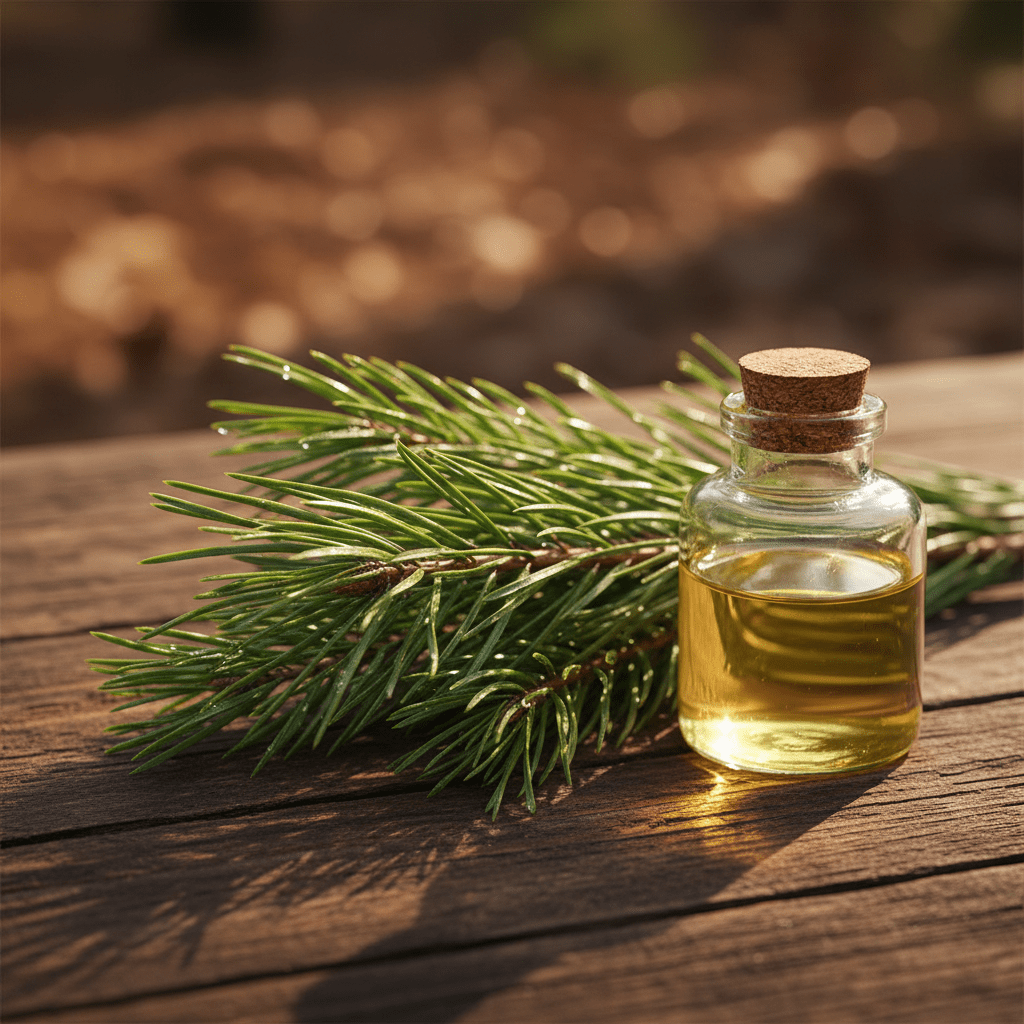
From Refreshing Scent to Powerful Ally: The Untapped Potential of Pure Pine Oil
You know that crisp, clean smell that hits you when you walk deep into a forest? It instantly makes you take a deeper breath, doesn’t it? That fresh, woodsy aroma is what we all love about pine. It screams “clean.”
But here’s the problem.
Most of the “pine” products sitting on store shelves right now? They’re imposters. They are synthetic chemicals mixed up in a lab to smell kind of like a tree. And that’s a shame, because it means most people miss out on the real magic of genuine pine oil uses.
When you settle for fake fragrance, you don’t get the actual benefits. You just get a smell.
Real, pure pine oil is a totally different beast. It’s a natural powerhouse. People use pine oil for cleaning their homes without harsh toxins, and it’s incredible for respiratory support when the seasons change. But to get those results, you have to know what you’re looking for.
Actually, the market is so confusing that consumers often mistake real essential oil for pine nut oil or synthetic cleaners, which definitely doesn’t help anyone.
In this guide, we’re going to cut through that noise. We’ll look at pine oil quality, explore actual Pinus sylvestris benefits, and show you exactly how to use pine oil safely.
Let’s help you spot the real deal so you can stop buying air freshener and start using a powerful natural ally.
The Essence of the Forest: What Truly Defines Pine Essential Oil?
So, what actually is pine oil?
I know, it sounds like a silly question. It comes from a pine tree, right? Well, yes and no.
Here is the thing. The cleaning aisle at your supermarket is full of bottles that say “pine.” But if you look at the ingredients, you won’t find a single drop of the actual tree in there. Instead, you’ll find a cocktail of lab-made chemicals designed to trick your nose.

Real pine essential oil is extracted directly from the tree—usually the needles, twigs, or sometimes the cones. The process is pretty cool. They use steam to gently pull the oils out of the plant material. This captures the soul of the tree, or what we call the “essence.”
Spotting the Fakes
Because the essential oils market is turning into a massive $13 billion industry, there are a lot of fakes out there trying to cash in.
How do you tell them apart?
First, look at the color. Real pure pine oil is usually clear or a very pale yellow. It’s thin, almost like water.
If the oil in the bottle is bright green—like lime gelatin—that’s a huge red flag. That color is added artificially because manufacturers think we expect pine stuff to be green.
Fake oils (often called “fragrance oils”) are thick, oily, and smell exactly the same every single time. Real pine oil? It changes a little bit depending on the tree, the weather, and the season. It’s alive.
The Secret Ingredients (The Chemistry)
Why do we care if it’s real? Because the fake stuff doesn’t work.
When you use pine oil for cleaning or health, you are relying on tiny, invisible compounds inside the oil. These are the workers. In genuine Pinus sylvestris (that’s Scots Pine to us regular folks), there are three main heavy hitters:
- Alpha-pinene: This is usually the big boss. In high-quality oils, it makes up about 32-60% of the profile. It’s famous for helping keep things clean and supporting healthy breathing.
- Beta-pinene: The sidekick that helps with the fresh scent and cleaning power.
- Limonene: You usually find this in citrus, but it’s in pine too! It adds a mood-lifting vibe.
These compounds are why people swear by Pinus sylvestris benefits. A synthetic oil might smell nice, but it lacks these workers. It’s like buying a car without an engine. It looks good in the driveway, but it won’t take you anywhere.
Needles vs. Cones
Does it matter which part of the tree they use? Absolutely.
Most of the sharp, fresh scent we love comes from the needles. That’s where the crisp “Christmas tree” smell lives. Oils made from cones or wood tend to be sweeter and heavier.
For most pine essential oil benefits—especially for clearing the air or cleaning—you generally want oil distilled from the needles and twigs.
It’s a lot to keep track of, right?
This is exactly why companies like Aroma Monk are so important for businesses. They actually test their oils in a lab to prove those compounds—like alpha-pinene—are really in there.
Genuine quality is rare. But once you find it? You’ll never go back to the neon-green fake stuff again.
A World Tour of Pines: How Species and Origin Determine Benefits
You wouldn’t walk into a coffee shop and just order “coffee,” right? You’d ask for a dark roast, an espresso, or maybe a cold brew.
Well, pure pine oil works the exact same way.
Here’s the thing. Not all pine trees are created equal. Depending on the species and where it grows, the oil inside can be completely different. And this is where most people get lost.
If you want to understand real pine essential oil benefits, you have to look at the label. Let’s break down the main characters in this story.
1. The Classic: Scotch Pine (Pinus sylvestris)
This is the big boss of pines. When you think of pine oil for cleaning or that sharp, crisp scent that clears your head, you are thinking of Scotch Pine.
It’s intense.
Research on Bulgarian Scotch Pine shows it is packed with alpha-pinene—sometimes making up nearly 60% of the oil. That’s a huge number. This compound is the reason it’s so good for cutting through grease and making a room feel open and airy.
2. The Healer: Ponderosa Pine (Pinus ponderosa)
Now, let’s switch gears. Ponderosa Pine is a totally different vibe.
This isn’t about scrubbing floors. It has a rich history as traditional medicine. Native American tribes have used Ponderosa for generations, often turning the resin or needles into salves for skin issues or teas for respiratory support during cold seasons.
It tends to be softer and warmer than Scotch Pine. If you are looking to create a calming atmosphere rather than a disinfecting one, this is your guy.
3. The Gentle Giant: White Pine (Pinus strobus)
White Pine is often smoother and less aggressive than its cousins. It’s great when you want that woodsy smell but don’t want to be overwhelmed by the turpentine-like punch of stronger oils. It’s perfect for blending.
Why Geography (and Chemistry) Matters
Here is a fancy word for you: Chemotype.
Don’t worry, it’s simple. It just means that a tree grown in Austria might smell different than the exact same species grown in Siberia. The soil, the rain, and the temperature change the oil.
Think of it like wine grapes.
This is why generic “pine oil” labels are risky. If you don’t know the origin, you don’t know the chemistry. And if you don’t know the chemistry, you can’t predict results.
With the essential oils market projected to reach over $34 billion in the next decade, there is a lot of pressure to mass-produce cheap oil. That leads to cutting corners.
For businesses making products—whether it’s cleaners, candles, or cosmetics—this inconsistency is a nightmare. You need to know exactly what is in that bottle.
That is why suppliers like Aroma Monk are obsessed with the details. By sourcing specific species from specific regions, they ensure that Pinus sylvestris is actually doing what it’s supposed to do.
Knowing your species helps you choose the right tool for the job. Need to scrub the bathroom? Go for high-pinene Scotch Pine. Need a soothing chest rub? Maybe look at Ponderosa.
From Needle to Bottle: Why the Distillation Method is a Critical Quality Marker
Have you ever overcooked spinach? One minute it’s bright green and delicious, and the next, it’s a mushy, gray mess.
Producing pure pine oil is surprisingly similar.
It’s not enough to just find the right tree. How you get the oil out of the tree matters just as much. This is where the magic—or the disaster—happens.
Most high-quality oil comes from a process called steam distillation. It sounds fancy, but the concept is simple. They put fresh pine needles and twigs into a big vat. Then, they push steam through it. The steam gently convinces the plant to release its oils.
The steam carries the oil up and out, where it cools down and turns back into liquid. Since oil and water don’t mix, the pine oil floats on top, ready to be collected.
The Heat Trap
But here is where things get tricky.
Pine oil is sensitive. If the temperature gets too high or the pressure ramps up too fast, you “burn” the oil. You lose the light, fresh smells (the top notes) that make pine oil for cleaning so pleasant. Even worse, high heat can destroy the delicate compounds that provide Pinus sylvestris benefits.
It’s a balancing act.
Distillers have to keep the pressure low and the temperature steady. It takes time. Rushing the process might produce more oil, but it won’t be good oil. It’s the difference between a fast-food burger and a steak dinner.

What About CO2?
You might hear about CO2 extraction. This is a newer method that uses carbon dioxide gas instead of steam. It’s often considered a more gentle extraction process that captures the true-to-nature scent.
While CO2 oils can be amazing, steam distillation remains the gold standard for most pine oil uses. It gives us that familiar, sharp profile we expect.
Why Proof Matters
Because you can’t see the distillation process, you have to trust the bottle. This is why pine oil quality is such a gamble on the open market.
If a supplier cuts corners to save time, you end up with a flat, weak oil. This is why companies like Aroma Monk are so vital for businesses. They don’t just guess. They use third-party testing to make sure the oil has the right chemical profile intended by nature.
So, when you see a bottle of oil, remember: it’s not just about the tree. It’s about the care taken to get it into your hands.
Get a quote from Aroma Monk.
Essential Oil Supplier – Bulk pricing • Samples • Fast response
The Savvy Consumer’s Checklist: How to Identify Potent, Pure Pine Oil
You are standing in the aisle—or maybe scrolling online—staring at a bottle labeled “Premium Pine Oil.” It looks official. It smells nice. But how do you know if it’s actually going to work?
Finding real pure pine oil feels a bit like a detective game.
With so many options out there, it is easy to get tricked by fancy marketing. But if you want those real pine essential oil benefits, you have to ignore the pretty front label. Flip that bottle over. The truth is always in the fine print.
Here is a simple checklist to help you separate the treasure from the trash.
1. The Name Game
First, look for the Latin name. If the bottle just says “Pine Essential Oil” with no other details, put it back. You are looking for Pinus sylvestris.
This is the specific scientific name for Scotch Pine. If you see Pinus sylvestris, you know you are getting the species famous for pine oil for cleaning and clearing the air.
2. The “Therapeutic Grade” Trap
Here is a secret that might annoy you. The term “Therapeutic Grade”? It doesn’t actually mean anything legally.
There is no government agency grading oils like they grade beef. It’s just a marketing term companies use to make their product sound fancy. Instead of falling for buzzwords, look for facts. Does it list the country of origin? Does it say which plant part was used (needles vs. bark)?
3. The Real Proof: The GC/MS Report
Okay, this sounds technical, but stay with me. It’s actually pretty simple.
Using pine oil for respiratory support or heavy-duty cleaning requires power. That power comes from natural chemicals inside the oil. The only way to know they are in there is a test called Gas Chromatography-Mass Spectrometry, or GC/MS.
Think of this report like a DNA test or a receipt for the oil.
A high-quality Pinus sylvestris oil should show high levels of Alpha-pinene. Real lab tests often show this compound making up anywhere from 15% to nearly 40% of the oil depending on the batch.
If a company won’t show you this report, ask yourself why.
Why This Matters for Businesses
If you are just cleaning your kitchen counter, a bad batch is annoying. But if you are a business making soaps or cleaners, inconsistent pine oil quality is a disaster. You can’t have one batch smell like a forest and the next one smell like old turpentine.
This is where suppliers like Aroma Monk make a massive difference. They focus on the supply chain side of things. They do the heavy lifting—running those lab tests and verifying the Pinus sylvestris source—so product makers don’t have to guess.
When you stop guessing and start checking the specs, you unlock the real power of how to use pine oil safely and effectively. Next, let’s look at how to actually put this oil to work in your daily life.
Connecting Quality to Action: Top Pine Oil Uses for Home and Health
Now that you know how to dodge the fake green stuff in the store, let’s talk about the fun part.
What do you actually do with the oil?
Because honestly, having a bottle of pure pine oil sitting on a shelf doesn’t help anyone. You need to put it to work.
Whether you are trying to freshen up a musty basement or you need some help breathing during allergy season, this oil is a toolbox in a bottle. But there is a right way and a wrong way to use it.

Let’s break down the three biggest ways to unlock those pine essential oil benefits safely.
1. The “Breathe Easy” Method (Respiratory Support)
You know that stuffy feeling when you can’t quite get a full breath? Maybe it’s pollen, or maybe it’s just a winter cold.
This is where pine oil for respiratory support shines.
Remember that compound we talked about earlier—alpha-pinene? It acts like a natural solvent for your lungs. It helps loosen up phlegm and clear out the pathways. But you have to use the right species.
Best Choice: Scots Pine (Pinus sylvestris).
How to use pine oil for this:
- Steam Bowl: Boil a pot of water. Take it off the stove. Add just 1 or 2 drops of pine oil. Put a towel over your head and lean over the bowl (keep your eyes closed!). Breathe in that steam for 5 minutes.
- Diffuser: Add 4-6 drops to your water diffuser. It smells like a forest, but it’s actually working to clear the air.
Why does this work?
It’s not magic. Recent research shows that essential oils from pine have broad-spectrum activity against various bacteria, which makes them a great ally when germs are flying around.
2. The Real Clean (Not Just the Smell)
Most “pine” cleaners you buy at the grocery store are kind of a lie. They use synthetic fragrance to mask odors. They cover up the trash smell with a fake tree smell, so you end up with… trashy trees.
Real pine oil for cleaning is different. It doesn’t just hide smells; it tackles the source.
When you use pure pine oil, you are using a potent cleaner that cuts through grease and grime on your counters.
DIY All-Purpose Forest Cleaner:
Here is a recipe I use all the time. It costs pennies compared to the store-bought stuff.
- The Base: 1 cup of water (distilled is best)
- The Cutter: 1/4 cup white vinegar (cuts grease)
- The Soap: 1 teaspoon unscented castile soap (helps oil and water mix)
- The Power: 15 drops of Pinus sylvestris oil
Mix it in a glass spray bottle. Shake it before you spray.
This is a huge deal for businesses, too. If you are making natural cleaning products, sourcing high-quality oil like the kind Aroma Monk supplies ensures your product actually cleans, rather than just perfumes the dirt.
3. Muscle Melt and Mental Clarity
Here is one what is pine oil good for answer that people often miss: pain relief.
After a long day of yard work or typing at a computer, your shoulders get tight. Pine oil is warming. It gets the blood moving to the surface of the skin.
But wait—don’t pour it straight on your skin!
Essential oils are concentrated. Putting them directly on your skin can cause a rash. The Tisserand Institute suggests keeping facial dilutions very low, between 0.2% and 1.5%, but for a body oil, you can go a little stronger, around 2-3%.
Simple Massage Blend:
- 2 tablespoons of Jojoba or Almond oil
- 10 drops of Pine oil
Rub that into sore knees or stiff necks. It feels amazing.
Bonus: The Focus Hack
Funny enough, that same sharp scent that clears your lungs can also clear your brain.
If you are hitting that 2:00 PM slump where your brain feels like mush, try sniffing the bottle cap. The scent of pine is linked to alertness. It wakes you up without the caffeine jitters.
Whether you are scrubbing the floor or trying to finish a report, pine oil quality matters. If you use the fake stuff, you miss out on all the therapeutic action. But when you get the real deal? It changes everything.
Best Practices: Safe Storage, Application, and Sustainable Choices
Okay, we have covered a lot. You know how to spot the fakes and you have some great recipes.
But before you go pouring pure pine oil all over everything, we need to have a serious chat about safety.
Think of pine oil like hot sauce. A few drops make the meal amazing. But if you drink it straight from the bottle? You are going to have a bad time.
The Golden Rule: Dilute, Dilute, Dilute
Because pure pine oil is so concentrated, it is considered a “hot” oil. If you put it directly on your skin (we call this “neat” application), it can cause red, itchy rashes.
You always need a buffer. We call this a carrier oil—like jojoba, almond, or even olive oil.
For most adults, the safe spot is a 2% dilution. That sounds like math class, but it’s actually easy. It’s roughly one drop of essential oil per teaspoon of carrier oil.
If you are a business making lotions or soaps, sticking to these safety limits is a big deal. You want your customers to feel refreshed, not itchy.
The Vampire Rule: Keep It in the Dark
Here is something wild: Oxygen is the enemy of pine oil quality.
When pine oil meets air and sunlight, it starts to “rust.” We call this oxidation. It doesn’t turn brown like an apple, but the chemistry changes. The fresh, healthy compounds break down into things that can really irritate your skin.
So, how to use pine oil so it lasts?
- Keep the cap tight. As soon as you are done, close it.
- Dark glass only. This is why you always see oils in amber or cobalt blue bottles. They block the light.
- Stay cool. Heat speeds up the breakdown. A cool cupboard is perfect.
Respect the Source
Finally, let’s talk about the trees.
We love Pinus sylvestris benefits, but we also love forests. Since this oil comes from actual trees, how those trees are treated matters. You don’t want oil that comes from clear-cutting a forest that won’t grow back.
Responsible sourcing is key.
Look for suppliers who mention sustainability or work with standards like the Forest Stewardship Council (FSC), which sets strict rules for managing forests. It means they harvest in a way that lets the forest stay healthy for the next generation.
This is why sourcing partners like Aroma Monk are so valuable for brands. They track the journey from the tree to the bottle. It guarantees you get that potent pine oil for respiratory support or cleaning without wrecking the planet.
When you treat the oil with respect—storing it right, using it safely, and buying it responsibly—it works better. And honestly? It feels better to use, too.
Empower Your Wellness: Choose Your Pine Oil with Confidence
We have covered a ton of ground, haven’t we?
We went from simply liking the smell of a Christmas tree to understanding the chemistry that makes it work. It turns out, pine oil uses go way beyond just scrubbing a floor.
But here is the final takeaway.
Because the essential oils market is expected to hit over $30 billion by 2035, there are going to be more options than ever. And probably more fakes, too.
Getting those respiratory benefits or that deep clean depends on one thing: pine oil quality. You can’t get real results from a lab-made perfume.
So, next time you are shopping—whether for your home or sourcing for your business—keep this little cheat sheet in mind:
- Latin Name: Does it say Pinus sylvestris?
- Origin: Do they tell you where it grew?
- The Receipt: Can they show you a GC/MS report proving it’s pure?
It sounds like extra work, I know. But for businesses, partners like Aroma Monk handle all that vetting so you don’t have to stress about it.
Once you unscrew the cap on a bottle of the real stuff, you’ll get it. The smell is wild, raw, and real. And best of all? It actually works.
Get a quote from Aroma Monk.
Essential Oil Supplier – Bulk pricing • Samples • Fast response