
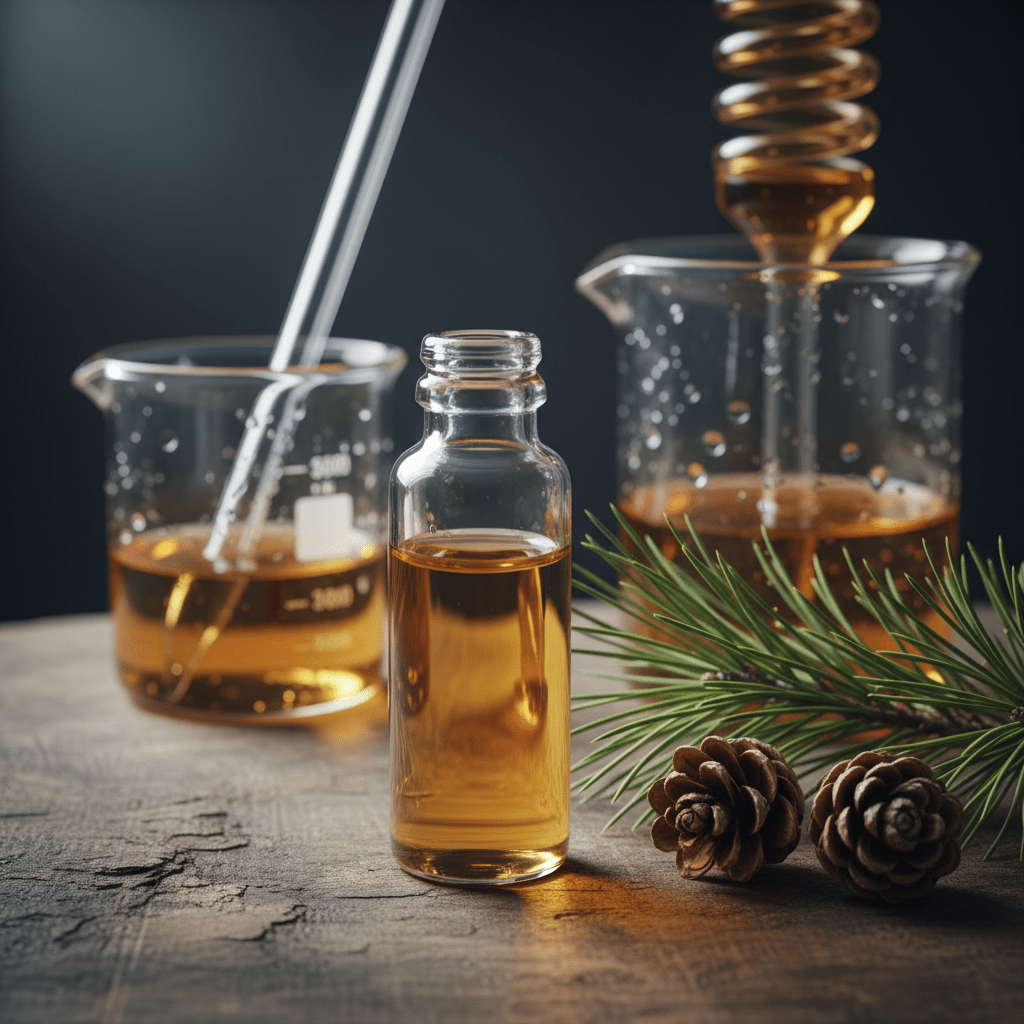
The Enduring Power of Pine Oil in Modern Commercial Cleaning
You know that specific scent? The one that hits you when you walk into a building and your brain instantly says, “Okay, this place is clean.”
But if you run a facility, you know the smell isn’t enough.
You are constantly juggling a million things. You need to keep costs down. You need to keep the building safe for everyone inside. And lately? Everyone is asking for natural commercial cleaners.
It’s a lot of pressure. You don’t want to swap your strong chemicals for something “green” that doesn’t actually work.
Actually, the data shows everyone is feeling this squeeze. The market for natural cleaning products hit $6.35 billion in 2023 because people really want them. Yet a recent survey found that 60% of industry pros remain concerned that these new options effectively clean and keep staff safe.
That’s where pine oil makes a comeback.
It’s not just your grandmother’s favorite pine oil cleaner. It is a powerful commercial degreaser and natural terpene solvent. It acts as a bridge between “safe for the planet” and “actually gets the grease off the floor.”
In this guide, we’re going to look at the real benefits of pine oil for cleaning. We’ll answer big questions like “is pine oil a disinfectant?” and help you navigate pine oil safety. We will also look at how reliable suppliers (like Aroma Monk) ensure you get the high-quality stuff, so you can pick the right plant-based disinfectants for your team.
Let’s get into it.
What is Pine Oil? Understanding its Source and Composition

So, what are we actually dealing with here?
It sounds simple, right? It’s oil from a pine tree. But if you are buying cleaning supplies in bulk, you need to know exactly what is in that drum.
Real pine oil is an essential oil. It is usually extracted using steam distillation. They take the wood, stumps, and cones of specific pine trees—like the Scots pine or Longleaf pine—and blast them with steam.
It’s a bit like a pressure cooker. This process separates the water from the oil, leaving you with a powerful, thick liquid. That liquid is rich in something called terpene alcohols.
The Secret Sauce: Alpha-Terpineol
Here is the science part (keep it brief, I promise).
The main immune system of the pine tree is a compound called alpha-terpineol. This is the active ingredient that does the heavy lifting. It acts as a natural terpene solvent, which means it eats through grease and grime on a molecular level.
Plus, it is responsible for that antimicrobial kick that kills bacteria [2].
When you are looking at specs, quality matters. High-quality commercial pine oil usually has about 85% terpene alcohols. If the number is lower, you are paying for filler.
The “Pine Scent” Trap
Here is where it gets tricky for facility managers.
Just because a bottle has a picture of a forest on it doesn’t mean it contains pine oil.
Take Pine-Sol, for example. For decades, it was the gold standard for pine oil cleaner. But around 2014, the retail recipe changed. Due to supply costs, the store version switched to synthetic fragrances and other chemicals. It smells like pine, but the real oil is gone.
That is a big deal.
Synthetics might smell nice, but they don’t have the same solvent power or natural disinfecting properties. If you want the results, you need the real plant extract.
This is why sourcing matters. Suppliers like Aroma Monk test for purity to ensure that when you order “pine oil,” you aren’t just getting “pine perfume.” You need that alpha-terpineol content to actually get the job done.
Basically? Check the label. If it doesn’t list pine oil as an active ingredient, it’s just air freshener with a mop.
The Science of Clean: How Pine Oil Works as a Disinfectant and Degreaser
You might be wondering, “How does a tree extract actually kill germs?”
It is a fair question. You don’t want to use something just because it smells like a forest. You need it to work.
The secret is inside the oil. Specifically, it is full of a compound called alpha-terpineol. Think of this compound as a tiny needle. Bacteria have a protective outer shell, kind of like a balloon. When pine oil touches them, the alpha-terpineol pops that shell.
Technically, it disrupts the cell membranes of bacteria [1]. This causes the bacteria to break down and die.
This is why so many people ask, “is pine oil a disinfectant?” The answer is yes. It is effective against common bacteria like Salmonella and Staph (Staphylococcus aureus). It destroys them on a structural level.
But it doesn’t stop at germs.
The Grease Killer
Pine oil is also a powerful commercial degreaser. It works as a natural terpene solvent. That is a fancy way of saying it dissolves oil.
Grease and water don’t mix. You know this from doing dishes. If you just use water, the grease sits there. But pine oil loves grease. It mixes with the grime on your warehouse floor or kitchen counters and breaks it apart. This makes it easy to wipe away.
It is perfect for heavy-duty tasks where regular soap just won’t cut it. This is one of the biggest benefits of pine oil for cleaning. You get industrial strength without relying solely on harsh, man-made chemicals.
Stopping Smells at the Source
Then there is the smell.
Most cleaners just cover up bad smells with fake perfume. That is like spraying cologne on dirty laundry. It doesn’t really help. It just adds a layer of flowers on top of the garbage smell.
Pine oil cleaner is different. Because it kills the bacteria that cause the bad smells, it eliminates the problem entirely. It neutralizes the odor at the source. So when you smell that fresh pine scent, it means the area is actually clean. The odor isn’t masked. It is gone.
Why Purity Matters
This is why facility managers are turning to plant-based disinfectants. They work hard. Plus, generally speaking, natural commercial cleaners break down better in the environment than synthetic options.
Of course, pine oil safety is still important. It is strong stuff. You usually need to dilute it before using it on your floors. But knowing it comes from a plant rather than a chemical lab is a big plus for many teams.
If you want these results, you need high-purity oil. That is exactly what we focus on at Aroma Monk. We test our oils to make sure they have the right level of natural compounds to actually get the job done. If the oil is watered down or fake, you won’t get that grease-cutting power.
Pine Oil Cleaners vs. Synthetic Alternatives: A Comparative Analysis
Let’s be real for a second. If you manage a facility, you probably have a love-hate relationship with bleach.
It works, sure. But the fumes? The stained uniforms? The complaints from staff about headaches?
That’s the trade-off we’ve accepted for decades. You either use the harsh stuff (Quats and chlorine bleach) to make sure things are “clean,” or you use gentle green products that feel like expensive water.
But pine oil cleaner sits in a unique middle ground. It is powerful, but it doesn’t come with the same baggage as synthetic chemicals.
Here is how they actually stack up against each other.
The “Kill Rate” Reality Check
First, we have to talk about germs.
Chlorine bleach and Quaternary Ammonium Compounds (Quats) are what we call broad-spectrum killers. They wipe out pretty much everything, including viruses. If you are dealing with a flu outbreak, you probably need them.
But for daily cleaning? They might be overkill.
Pine oil is a different beast. It is fantastic against bacteria. It effectively kills common offenders like Salmonella and Staph by breaking down their cell walls. Plus, unlike bleach, pine oil is a natural terpene solvent. That means it doesn’t just kill germs; it physically dissolves the grease and grime where germs hide.
Most synthetics can’t do that without adding extra degreasers to the mix.
Safety: Your Crew Matters
This is usually where the conversation shifts. You want the building clean, but you also want your team to stay safe.
Synthetics are tough on people. Quats are known to cling to surfaces and can trigger asthma or skin issues. Bleach is corrosive—one splash and it burns skin or eyes.
Pine oil safety looks a lot better on paper and in practice. While pure pine oil is strong (and you should definitely wear gloves with the concentrate), it has a much lower toxicity profile.
Actually, the EPA classifies alpha-terpineol—the main ingredient in pine oil—as having “low toxicity”.
The Environmental Cost
If your client is asking for natural commercial cleaners, they care about where the stuff goes after it goes down the drain.
Quats are notorious for being toxic to aquatic life. They don’t break down easily. They hang around in the water supply.
Pine oil? It comes from a tree. Because it is plant-based, it is highly biodegradable. It does its job and then breaks down without leaving a toxic legacy.
Here is a quick breakdown of how they compare:
| Feature | Pine Oil Cleaner | Chlorine Bleach | Quats |
|---|---|---|---|
| Source | Pine stumps/trees (Renewable) | Chemical manufacturing | Chemical manufacturing |
| Primary Action | Solves grease & kills bacteria | Oxidizes/Bleaches | Disrupts cell membranes |
| Safety Profile | Low toxicity (irritant) | High toxicity (corrosive) | Moderate (asthma risk) |
| Biodegradability | High | Rapid (but toxic byproducts) | Low (Persistent) |
So, is it the right choice for everything? Maybe not properly sterilizing a surgical suite.
But for 90% of commercial jobs—floors, bathrooms, loading docks—it offers the muscle of a commercial degreaser with the safety of a plant extract.
Get a quote from Aroma Monk.
Essential Oil Supplier – Bulk pricing • Samples • Fast response
Key Applications of Pine Oil in Commercial and Institutional Facilities

You walk into your building. The lobby looks okay. But what about the loading dock? Or the kitchen? Or that one bathroom stall nobody wants to talk about?
You usually have a cleaning cart stacked with five different bottles. One for floors. One for glass. One for the scary stuff.
Actually, that is the old way.
One of the biggest benefits of pine oil for cleaning is that it simplifies your life. Because it is both a solvent and a sanitizer, you can use it almost everywhere. It replaces half the bottles on that cart.
The Daily Driver: General Purpose Cleaning
For 90% of your facility—like school hallways, office lobbies, or waiting rooms—you just need something that lifts dirt and smells fresh.
Pine oil cleaner is safe for most hard surfaces. We are talking tile, concrete, and sealed wood. You can use it on vinyl and laminate too. Just don’t let water sit on those for too long or it might warp the seams.
Here is the cool part about the math.
If you buy a concentrated cleaner, it is incredibly cheap to use for daily mopping. A standard mix is usually about 1/4 cup of oil per gallon of water. At that rate, your cost can get as low as $0.15 per diluted gallon.
Compare that to buying ready-to-use bottles at $5 or $6 a pop. It’s a huge savings.
The Tough Stuff: Heavy-Duty Degreasing
Then you have the areas where regular pink soap just fails. Commercial kitchens. Manufacturing floors. The maintenance shop where a truck leaked oil last Tuesday.
This is where natural chemistry wins. Remember, pine oil is a terpene solvent. It actually dissolves grease.
For these messes, you don’t dilute it much. You might use it at full strength on concrete or industrial tile. It acts as a powerful commercial degreaser, cutting through industrial soils faster than many harsh chemicals.
Just a heads up though. Be careful with rubber floors or asphalt tile. It is strong stuff. If you use it there, rinse it off right away so it doesn’t soften the material.
Germ Control: Restrooms and Waste Areas
Finally, we have the places where “clean” equals “safe.”
Bathrooms, locker rooms, and trash areas are breeding grounds for bad bugs. We are specifically talking about things like Salmonella and Staph.
Using plant-based disinfectants here is a smart move. A recent survey showed that for 60% of pros, safety and efficiency are the top concerns. You want the germs dead, but you don’t want your staff breathing in bleach fumes in a small, unventilated room.
To really kill the germs, you need “dwell time.”
That means you mop it on or spray it and let it sit wet for 10 minutes. Then you wipe it up. That gives the oil time to break down the bacteria walls. Plus, it kills the bacteria that cause bad odors, so the room stays fresh longer.
If you want to create these kinds of solutions for your team, you need a reliable source. At Aroma Monk, we see a lot of facility managers buying bulk essential oils to mix their own custom blends. It gives you control over the strength and the scent without the markup of big brand-name mixtures.
So, one product handles the lobby, the grease trap, and the bathroom. That is hard to beat.
Navigating Safety, Sustainability, and Regulations
Just because something comes from a tree doesn’t mean you can ignore the safety rules.
Think about poison ivy. It’s 100% natural, but you definitely don’t want to roll around in it.
Pine oil safety works the same way.
When you buy professional concentrates—like the high-purity options we supply at Aroma Monk—you are handling a powerful substance. It is not water. It is a concentrated extract that demands respect.
Handle with Care
First, let’s talk about your crew.
Real pine oil contains alpha-terpineol. While the EPA classifies this compound as having “low toxicity,” it can still irritate your skin and eyes if you aren’t careful.
It’s pretty simple to stay safe:
- Wear Gloves: Always use gloves when you pour the concentrate. Direct contact with the raw oil can make your skin red or itchy.
- Air it Out: Pine oil has a strong scent. If you are cleaning a small bathroom, prop the door open. Good ventilation stops anyone from getting a headache from the fumes.
The “Disinfectant” Label
Here is a trap many facility managers fall into.
You want to buy plant-based disinfectants. You see a bottle with a pine cone on it. It says “Natural Cleaner.” You buy it.
But can you legally use it to kill Salmonella in your cafeteria? Maybe not.
If a product claims to kill germs, it must have an EPA Registration number. This proves it has been tested and actually works. The process is strict—manufacturers have to prove their product kills specific bugs like Staph or E. coli.
If the bottle doesn’t have that number, it’s just a cleaner. It will wash dirt away, but it cannot legally claim to sanitize the surface. Always check for the code.
Avoiding “Greenwashing”
Finally, let’s talk about the money.
Data shows that people are willing to pay about 10% more for green products because they realy want to do the right thing [3].
Because of this, some companies try to trick you. They call this “greenwashing.”
They might slap a “Natural” sticker on a bottle that is mostly synthetic chemicals with a drop of pine fragrance.
Real natural commercial cleaners should be transparent. Look for certifications like EPA Safer Choice or Green Seal. These are third-party stamps of approval that confirm the product is biodegradable and safe for the water supply.
Or, look at the ingredient list. If you are buying bulk from a supplier like us, ask for the specs. You want to see the percentage of pine oil. If they hide the numbers, they are probably hiding the ingredients too.
How to Select the Right Commercial Pine Oil Cleaning Product
Buying cleaning supplies used to be easy. You just bought what worked.
Now? You are staring at a screen or a shelf, looking at ten different bottles that all promise the power of pine. They all have green labels. They all smell nice.
But here is the harsh truth. Most of them are fake.
If you are responsible for a facility, you can’t afford to guess. You need to know what you are paying for. Here is how to spot the good stuff and avoid getting ripped off.
Turn the Bottle Around
The front of the label is for marketing. The back of the label is for facts.
Ignore the “Forest Fresh” and “Natural Power” logos on the front. Look for the list of Active Ingredients.
If the label just lists “fragrance,” “parfum,” or “pine scent,” put it back. That is just perfume. It won’t kill germs and it won’t strip grease.
You want to see specific numbers. High-quality pine oil cleaner concentrates will list the percentage of pine oil. You are looking for something that clearly states it contains real pine oil, sometimes listed as 60% or even 80% oil for the heavy-duty industrial stuff.
Don’t Pay for Water

Sticker shock is real.
When you see a drum of pure pine oil concentrate, the price might look high. Maybe it costs $100 or more. It feels cheaper to grab the $5 ready-to-use bottle.
But let’s do the math.
A real concentrate is strong. You mix a tiny amount—maybe 2 ounces—into a gallon of water.
That one expensive gallon of concentrate can make over 60 gallons of cleaning solution. When you break it down, your cost is actually around $0.15 per gallon of usable cleaner.
Compare that to the $5 bottle you buy at the store. You are paying thousands of dollars more over a year just for the convenience of a spray nozzle. Smart facility managers buy the concentrate and mix it themselves.
Watch Out for “Greenwashing”
Everyone wants natural commercial cleaners right now.
Companies know this. Data shows people are willing to pay extra—about 10% more—for products that claim to be green.
So, some companies cheat. They use vague words like “Eco-Friendly” without proving it. This is called greenwashing.
To protect your budget and your building, look for transparency. If a supplier hides their ingredient list, they are hiding something. Reputable B2B suppliers—like us at Aroma Monk—will legally have to provide you with specifications if you ask.
Check for third-party stamps like “EPA Safer Choice” or just demand the spec sheet. If they can’t prove it’s real pine, it’s not worth your money.
Pine Oil: The Natural, Powerful Choice for Your Cleaning Program
Here is the bottom line.
You shouldn’t have to choose between a clean building and a safe one.
For a long time, that was the trade-off. You either nuked the place with chlorine or you used weak eco-friendly soaps that didn’t really work. But pine oil cleaner changes that math.
It is rare to find a single ingredient that acts as a heavy-duty commercial degreaser, a genuine deodorizer, and a sanitizer all at once. That is the real power of this stuff. It isn’t just nostalgia. It is a potent terpene solvent that cuts through the grime regular soaps leave behind, all while improving indoor air quality for the people who actually have to work there.
The market sees it too. With the natural cleaning sector projected to hit over $15 billion by 2032, the demand for safer, natural commercial cleaners isn’t slowing down.
So, here is my challenge to you.
Don’t just take my word for it. Pick your toughest, greasiest floor—maybe the loading dock or that back hallway nobody likes cleaning—and run a pilot. Swap out your synthetic chemical for a high-purity pine oil cleaner.
You will smell the difference immediately. But more importantly, you will see the results.
And when you are ready to source the real thing—not the watered-down stuff on the shelf—we are here to help. at Aroma Monk, we provide the certified, bulk essential oils you need to build a cleaning program that is safe, sustainable, and seriously effective.
Get a quote from Aroma Monk.
Essential Oil Supplier – Bulk pricing • Samples • Fast response