
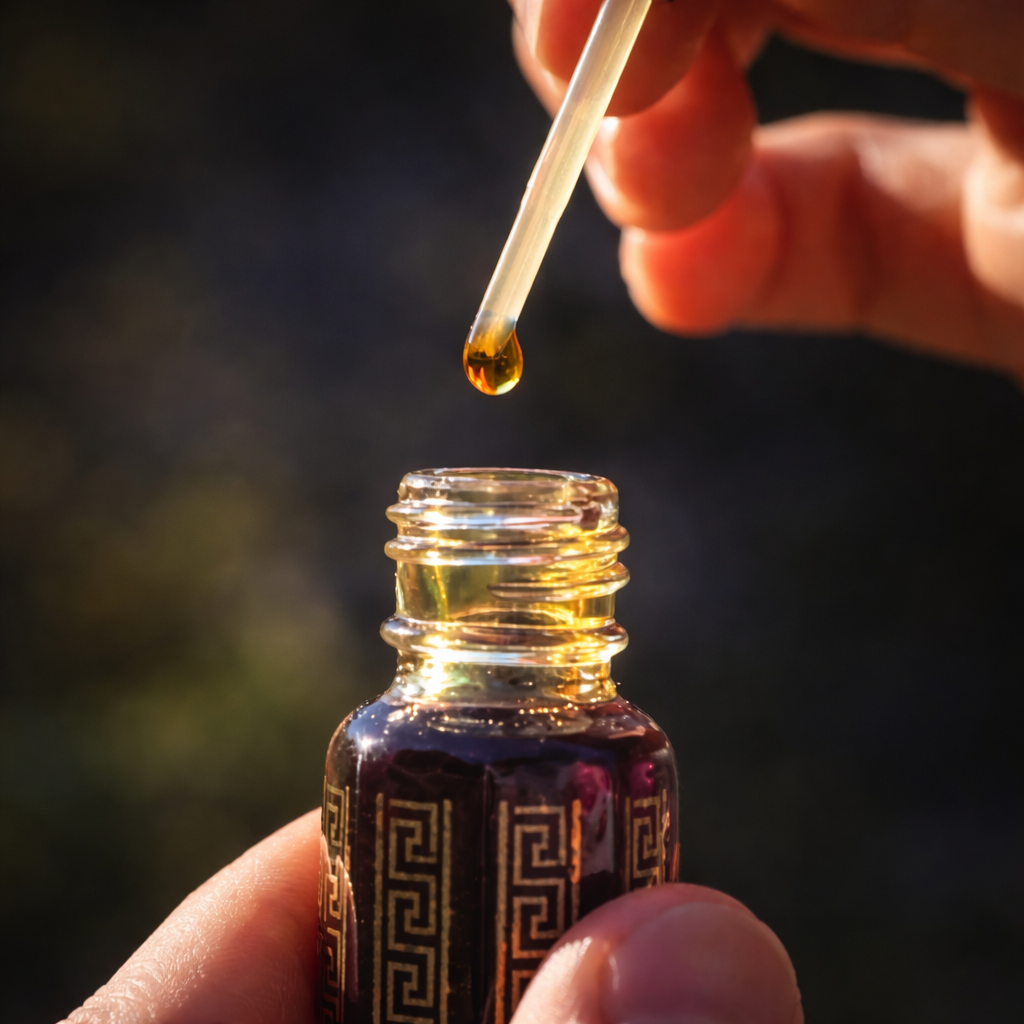
Why Make Your Own Perfume? The Allure of Natural, Personalized Scent
You know that feeling when you walk into a department store perfume aisle and get an instant headache? It’s like a wall of strong, fake smells hits you all at once. I used to think I just hated perfume. Turns out, I just hated the chemicals.
See, most fancy bottles you buy at the store have a dirty little secret. If you flip the box over, you’ll likely see the word “fragrance.”
It looks innocent enough. But research shows that this one word is actually a big loophole. According to EWG reports, companies can use that label to hide hundreds of chemcials—like phthalates and synthetic musks—without telling you what they are. Some of these hidden ingredients are even linked to hormone issues or allergies.
Why put mystery stuff on your skin when you don’t have to?
That’s why so many of us are switching to clean beauty. Making your own perfume is safer, and honestly? It’s way more fun. You become the boss of what goes on your body. You get to create a scent that is 100% you, using real, pure ingredients from trusted suppliers like Aroma Monk.
If you are new to this, a perfume roll-on is the perfect project to start with. Here is why:
- It’s Simple: No heat, no complex chemistry, just mixing.
- It’s Portable: Toss it in your purse or pocket easily.
- It’s Cheap: You save a ton of money compared to designer brands.
In this guide, we are going to fix the confusion around DIY scents. We will cover how to pick the right oils, how to make sure they are safe for your skin, and the exact steps to build your first roller.
Ready to smell amazing? Let’s get to work.
Gathering Your Tools: The Anatomy of a Perfume Roll-On
Before we start playing scientist, we need to gather our supplies.
The cool thing about making an essential oil perfume roll on? You don’t need a lab coat or expensive equipment. In fact, you probably have some of this in your kitchen right now. But there are a few specific tools that make the difference between a perfume that leaks everywhere and one that feels high-end.
Let’s break down the three main players in your DIY perfume roller.
1. The Vessel: Your Roller Bottle
first things first—the bottle matters. You might see cute, clear glass bottles online, but don’t buy them.
Essential oils are sensitive. Sunlight makes them break down and lose their scent faster. You want to look for dark glass—usually amber (brown) or cobalt (blue). This dark glass acts like sunglasses for your perfume, blocking out UV rays that degrade the oil.
Also, pay attention to the roller ball itself. You have two choices: plastic or stainless steel.
Go with stainless steel. Plastic balls can sometimes get stuck or, in rare cases, react with stronger oils (especially citrus ones). Steel glides smoother and puts just the right amount of scent on your skin.
2. The Carrier Oil: The Base
Here is a mistake almost everyone makes at first. You cannot just fill a bottle with pure essential oil and roll it on. That’s a recipe for skin irritation or even a chemical burn.
You need a “carrier oil.” This is a neutral vegetable oil that “carries” the scent onto your skin safely. It dilutes the strong stuff so your body can absorb it without freaking out.
Choosing the right carrier oil for perfume roller blends is important because it dictates how greasy the perfume feels and how long it lasts. Here are the top three contenders:
- Jojoba Oil: This is my personal favorite. Technically, it’s a liquid wax, not an oil. It closely mimics the sebum (oil) your skin naturally produces, so it absorbs beautifully without feeling sticky. Plus, it has a super long shelf life—about 2 to 5 years—which means your perfume won’t go rancid quickly.
- Fractionated Coconut Oil (FCO): This isn’t the solid white stuff in your pantry. It’s been processed to stay liquid and odorless. It’s light, clear, and never overpowers your scent blend.
- Sweet Almond Oil: Amazing for dry skin and very nourishing. However, it doesn’t last as long as Jojoba (about 1 year) and you obviously can’t use it if you have nut allergies.
3. The Scent: Essential Oils
This is the “soul” of your perfume. Since you are putting this directly on your pulse points, quality is everything. You want 100% pure oils, not “fragrance oils” which are just synthetic chemicals in disguise.
Since we are skipping the junk found in store-bought brands, I recommend getting your ingredients from suppliers who specialize in purity, like Aroma Monk. They test their oils rigorously, so you know exactly what you’re smelling is the real plant, not a lab experiment.
Your Shopping List
Ready to shop? Here is exactly what you need to grab:
- 10ml Glass Roller Bottles: Get the amber or cobalt ones with stainless steel balls.
- Carrier Oil: A small bottle of Jojoba or Fractionated Coconut Oil.
- Essential Oils: We’ll talk about blending next, but start with 2-3 scents you love.
- A Tiny Funnel: Trust me on this. Trying to pour oil into a tiny neck bottle without one is a nightmare.
- Labels: Waterproof stickers or a label maker. You think you’ll remember what you mixed, but you won’t.
Once you have these tools, the actual making part takes about five minutes.
Now, let’s talk about the fun part—mixing the magic.
The Perfumer’s Triangle: Mastering Top, Middle, and Base Notes
Okay, you have your tools. Now comes the part that feels a little bit like magic class.
Mixing a natural perfume recipe isn’t just dumping oils together and hoping for the best. Well, I tried that once. It smelled like cleaning spray mixed with mud. Not great.
Unlike those expensive store-bought bottles that can hide weird ingredients found on restricted lists, we are dealing with pure, real plant extracts. To make a scent that actually develops and changes on your skin—instead of just hitting you in the face—you need to understand the “Perfumer’s Triangle.”
Think of your essential oil perfume roll on like a musical chord. If you hit just one note on a piano, it sounds boring. But if you hit three specific notes together—a low one, a mid-range one, and a high one—it sounds rich and complete.
Perfume works the exact same way. It’s all about volatility. That’s just a fancy science word for how fast the oil evaporates off your skin.
Here is how the team breaks down:
1. Top Notes (The Handshake)
This is the first thing you smell when you unscrew the cap. The molecules here are tiny and super light. They provide that initial burst of freshness, but they don’t stick around.
- Evaporation Time: 5 to 30 minutes
- Vibe: Fresh, sharp, immediate.
2. Middle Notes (The Heart)
Once the top notes fade, the middle notes show up. This is the “real” smell of your perfume. These make up the bulk of your blend and help balance out the scent so it’s not too sharp or too heavy.
- Evaporation Time: 1 to 2 hours
- Vibe: Floral, herbal, warm.
3. Base Notes (The Anchor)
These are the heavy hitters. Literally—the molecules are heavier. They sit on your skin the longest and stop the lighter oils from flying away too fast. Without a base note, your perfume would vanish in twenty minutes.
- Evaporation Time: 4+ hours
- Vibe: Woody, earthy, deep.
Here is a quick cheat sheet for picking your team. When I order from suppliers like Aroma Monk, I usually try to grab one from each column to keep things balanced:
| Note Type | Popular Choices | Best For… |
|---|---|---|
| Top | Bergamot, Grapefruit, Lemon, Sweet Orange | Giving energy and brightness |
| Middle | Lavender, Geranium, Clary Sage, Ylang-Ylang | Smoothing out the blend |
| Base | Sandalwood, Cedarwood, Vetiver, Patchouli | Making the scent last all day |
The Golden Ratio: 30-50-20
So, how much of each do you use?
If you are just starting out, don’t overcomplicate it. There is a classic formula that works for almost every DIY perfume roller:
- 30% Top Notes
- 50% Middle Notes
- 20% Base Notes
For example, if you are using 10 drops of essential oil total (we’ll get to safety math in a second), you would mix 3 drops of Top, 5 drops of Middle, and 2 drops of Base.
Is this a strict law? No. Sometimes I want a heavier, woodier scent, so I bump up the base notes. But this 30-50-20 rule is the best safety net when learning how to make perfume with essential oils.
Also, a quick pro-tip: some oils act as “bridge notes.” Vanilla or Vitamin E oil can actually help smooth out the transition between the layers. But honestly? You don’t need to worry about that for your first batch.
Let’s stick to the basics. Now that we know what to mix, we need to talk about how much. Because putting too much pure oil on your skin is a rookie mistake you definitely don’t want to make.
Get a quote from Aroma Monk.
Essential Oil Supplier – Bulk pricing • Samples • Fast response
Safety First: Diluting Essential Oils for Perfume Rollers
Here is the deal with homemade perfume oil. It feels safer because it’s natural, right? Well, mostly. But poison ivy is natural too, and you wouldn’t rub that on your neck.
I learned this the hard way. Years ago, I put pure lavender directly on my wrist. It felt fine for a minute, then it started unchecked itching. Turns out, I was doing it all wrong.
You have to dilute. Putting essential oils directly on your skin—what the pros call applying them “neat”—is a recipe for disaster. It can lead to chemical burns or allergies that last forever. These oils are super concentrated plant power, so they need a buffer to be safe.
Since we are using standard 10ml bottles for our DIY perfume roller, here is the math you need. No calculator required.
Simple Essential Oil Dilution Chart for Rollerball (10ml)
| Strength | Total Drops of Essential Oil | Best For… |
|---|
| 5% | 10 Drops | Daily wear, sensitive skin |
| 10% | 20 Drops | Strong perfume, short-term use |
For a regular perfume, I usually aim for that 20-drop mark. You just add your drops, then fill the rest of the bottle with your carrier oil. Easy.
But wait—there are a few rule-breakers you need to know about.
First, watch out for the sun. Seriously. Citrus oils like Lemon and Bergamot are often “phototoxic.” That means if you wear them and step into bright sunlight, the UV rays can actually react with the oil and blister your skin. It’s nasty stuff.
Safety organizations actually place strict limits on these ingredients to prevent severe skin reactions. If you love citrus, wear it where the sun doesn’t shine (like under your shirt) or look for “FCF” (furocoumarin-free) versions.
Also, keep an eye on “hot” oils like Cinnamon or Clove. They smell cozy, but they can sting like crazy if you use too much. This is why getting high-quality, pure inputs from a trusted source like Aroma Monk matters—you get the real, potent deal, so you have to treat it with respect.
Before you slather your creative masterpiece all over, do a patch test. Put a tiny dot of your blend on your inner arm and wait 24 hours. No itch? No red spot? You’re good to go.
Your Step-by-Step Guide to Crafting the Perfect Perfume Roll-On
Okay, math class is over. You have your tools, your safety numbers are good, and you have picked your scents. Now, let’s actually build this thing.
Here is exactly how I do it to avoid messes and wasted oil. It’s easier than baking a cake, I promise.
The Process
- Drop the Scents First: Grab your empty roller bottle. Add your essential oils in order: Base notes first, then Middle, then Top. Why? It helps anchor the lighter scents so they don’t fly away as you work.
- The Pre-Mix Swirl: Before adding the carrier oil, give the bottle a gentle swirl. Just a little one. This lets the concentrates mix together in their purest form.
- Add the Carrier: Pop your tiny funnel into the bottle neck. Pour in your Jojoba or Fractionated Coconut Oil. Crucial tip for not making a mess: Do not fill it to the very top. Leave a little air gap at the neck. If you fill it to the brim, the rollerball will displace the liquid and your precious homemade perfume oil will spill everywhere when you snap it on.
- Snap and Cap: Push the rollerball insert down firmly until you hear a click. Screw the cap on tight.
The Hardest Part: The Waiting Game
Now, you probably want to roll this on your wrists immediately. I get it. But trust me—don’t.
Freshly mixed perfume can smell a little disjointed. It’s like a band that hasn’t rehearsed yet; everyone is playing their own instrument loudly. You need to let the bottle sit in a cool, dark place for at least 48 hours to a full week.
There is actual science happening here. During this time, the oils undergo a chemical process called esterification. It’s basically where the distinct molecules bond to create a new, smoother scent profile—a concept known as synergy. It’s the difference between hearing three people yelling at once versus three people singing harmony.
Labeling and Using Your Blend
While you wait for your blend to mellow, label your bottle.
I always think I’ll remember that I used 3 drops of Cedarwood and 2 of Orange. Spoiler alert: I never do. Write down the date and the exact recipe on a small sticker. If you love the scent later, you’ll want to know exactly how to recreate those roller bottle perfume recipes.
When you are finally ready to use it, give the bottle a gentle roll between your warm palms to mix it up. Then, apply it to your pulse points—wrists, behind the ears, or the base of your throat.
Why there? These spots are naturally warmer than the rest of your body. That body heat acts like a diffuser, helping push the scent into the air so you (and others) can actually smell it.
3 Beginner-Friendly Essential Oil Perfume Recipes to Try Now
Staring at empty bottles can be intimidating. We’ve all been there. You have your oils, your carrier, and your roller, but your mind goes blank on what actually smells good together.
Don’t worry. You don’t have to be a master nose to make a great essential oil perfume roll on.
The best way to learn is to copy what works. Once you get comfortable with these standard essential oil blends for perfume, you can start tweaking them to match your mood.
Here are three foolproof recipes designed for a standard 10ml roller bottle.
1. The “Uplifting Citrus Grove.”
This is morning in a bottle. It’s perfect for when you feel groggy and need a mental reset. The citrus notes hit you first for instant energy, while the Frankincense keeps it from smelling like floor cleaner.
- Vibe: Happy, bright, sunny.
- Total Drops: 15
| Ingredient | Drops | Note Type |
|---|---|---|
| Sweet Orange | 8 | Top |
| Grapefruit | 5 | Top/Middle |
| Frankincense | 2 | Base |
Quick Tip: Since this recipe uses a lot of citrus, be careful with the sun. If you aren’t using FCF (sun-safe) oils, apply this one under your shirt or on days when you’re staying indoors.
2. The “Tranquil Floral Garden”
If you are stressed out, make this one first. Lavender is famous for helping people relax, but mixing it with Geranium makes it smell more like a fancy bouquet and less like a laundry sachet.
| Ingredient | Drops | Note Type |
|---|---|---|
| Lavender | 7 | Middle |
| Geranium | 4 | Middle |
| Cedarwood | 3 | Base |
This is one of my favorite roller bottle perfume recipes for everyday wear because it’s not overpowering. Plus, the Cedarwood adds a nice woody anchor that helps the flowers last longer on your skin.
3. “Spicy & Grounding Woods”
This blend is deep, warm, and a little mysterious. It’s a great unisex option that doesn’t smell too sweet. It feels very sophisticated, kind of like a library filled with old books and leather chairs.
- Vibe: Earthy, centering, bold.
- Total Drops: 14
| Ingredient | Drops | Note Type |
|---|---|---|
| Lavender | 7 | Middle |
| Geranium | 4 | Middle |
| Cedarwood | 3 | Base |
Safety Check: Remember what we said about “hot” oils? Clove is potent. It warms the skin, which feels nice, but it can be irritating if you have sensitive skin. If you are worried, drop the Clove down to 1 drop and add a little more Sandalwood. Always listen to your body.
How to Mix These
For any of these DIY perfume roller blends, the steps are the same:
- Drop the essential oils into your clean glass bottle.
- Swirl them gently to let them say hello to each other.
- Top off with your Jojoba or Fractionated Coconut oil (remember to leave room at the top!).
- Snap on the rollerball and shake well.
I highly recommend labeling these immediately. You might think you’ll remember which one has the Clove and which one has the Cedarwood, but once they are in amber bottles, they all look identical.
If you want these recipes to really shine, the quality of your ingredients matters. I source my heavy hitters—like that rich Sandalwood and pure Rose Water for other projects—from Aroma Monk. Their stuff is lab-tested, so you know a drop of Sandalwood is actually Sandalwood, not just scented filler.
Ready to get mixing? Pick the recipe that speaks to you and give it a shot. Next, we’ll stick a lid on this guide (pun intended) and wrap things up.
How to Store and Use Your Natural Perfume for Lasting Scent
So, you’ve made your masterpiece. It’s sitting in its amber bottle, looking professional. Now, don’t ruin it by leaving it on your car dashboard.
Here is the thing about homemade perfume oil. Because we didn’t add all those synthetic preservatives found in store-bought brands, your blend is a little more delicate. It’s fresh, it’s real, and it needs a little care.
Keeping It Fresh
Your perfume has two main enemies: heat and sunlight. UV rays break down the essential oils, making them lose their smell or turn weirdly sour.
Since you (hopefully) used dark glass, you have a head start. But to get the longest life out of your essential oil perfume roll on, keep it in a cool, dark place. A desk drawer is perfect. Your purse pocket works too.
Expect your roller to stay fresh for about 6 to 12 months. If you used Jojoba oil, it might last even longer since Jojoba is super stable. But trust your nose. If the oil starts to look cloudy or smells like old crayons, it’s time to toss it and make a fresh batch.
How to Wear It
You want your scent to last, right?
The trick isn’t to slather it everywhere. It’s about placement. You want to aim for your “pulse points.” These are spots where your blood vessels are close to the skin, making the area slightly warmer—usually by about 1-2 degrees.
That body heat acts like a natural diffuser, gently pushing the scent into the air throughout the day.
Where to roll:
- Wrists (Classic for a reason)
- Behind the ears (Great for hugs)
- Base of the throat
- Inner elbows
One last tip? Don’t rub your wrists together after applying. I know, we see people do it in movies all the time. But friction produces heat that burns off the lighter top notes too fast. Just roll, dab, and let it dry naturally.
You Are The Perfumer Now
Making your own DIY perfume roller is simpler than most people think. You save money, you skip the hidden chemicals, and you get to smell exactly how you want.
Whether you need a calming lavender blend for a stressful Tuesday or a bright citrus mix for the weekend, you have the tools to create it. And if you start with pure, quality ingredients from suppliers like Aroma Monk, your results will rival anything you find at the mall.
So go ahead. Experiment. Mix something wild. The bottle is in your hands.
Embrace Your Inner Perfumer: Your Signature Scent Awaits
Look at that. You are officially ready to toss those headache-inducing sprays and become your own scent boss.
We covered a lot, didn’t we? You know which bottles to buy, how to stack your Top, Middle, and Base notes, and the safety math to keep your skin happy. It feels like a big deal at first, but once you make that first DIY perfume roller, you’ll wonder why you ever paid $80 for a brand name.
The best part is the freedom. You get to decide exactly what you smell like. No hidden junk, just 100% pure plants.
Just remember that your perfume is only as good as what you put in it. Stick with trusted, high-quality sources like Aroma Monk to ensure your natural perfume recipe smells expensive, not cheap.
So go ahead. Mess up a little. Try a combo that sounds weird. Sometimes the best scents happen by accident.
The bottle is empty. It’s time for you to fill it.
Get a quote from Aroma Monk.
Essential Oil Supplier – Bulk pricing • Samples • Fast response