
Why Create Your Own Natural Perfume? The Allure of a Signature Scent
You know that woozy feeling you get when walking through the perfume aisle at a department store? It hits you right between the eyes. I used to think I just had a sensitive nose.
Turns out, there is a real reason for that headache.
Many store-bought fragrances are loaded with synthetic fillers. One common culprit is a group of chemicals called phthalates. Companies use them to make scents last longer, but they are linked to some pretty serious health concerns, like messing with our hormones. It’s enough to make you wonder what you are actually spraying on your skin.
In fact, clean beauty is becoming a huge deal as more people look for safer options without these hidden ingredients.
But let’s put the science aside for a second.
The best reason to make your own perfume? It is yours. Completely yours. You don’t have to smell like the latest trend or a celebrity endorsement. You can create a blend that matches your personality perfectly. It is a creative process that connects you to nature.
Plus, working with real plants is just… fun.
When you use pure ingredients, specifically chosen to revive essential oils that might be sitting in your collection, the result is magical. We are going to show you how to craft a bubbly, floral blend that lifts your mood instantly. Whether you grab your oils from a bulk specialist like Aroma Monk or your local shop, quality is key.
We will cover everything from safety steps—don’t skip the patch test!—to mixing your “Spring Revival” notes. It is easier than you think to make something that smells expensive but costs a fraction of the price.
Let’s get mixing.
The Foundations of Natural Perfumery: Safety and Essential Supplies
Before we start playing mad scientist, we need to talk tools.
I know, I know. You just want to start mixing. But imagine trying to bake a cake without a bowl. It gets messy fast. Plus, working with concentrated plant extracts is serious business.
Actually, you don’t need a fancy lab or expensive equipment. You probably have half of this in your kitchen already.

Here is the simple kit you need:
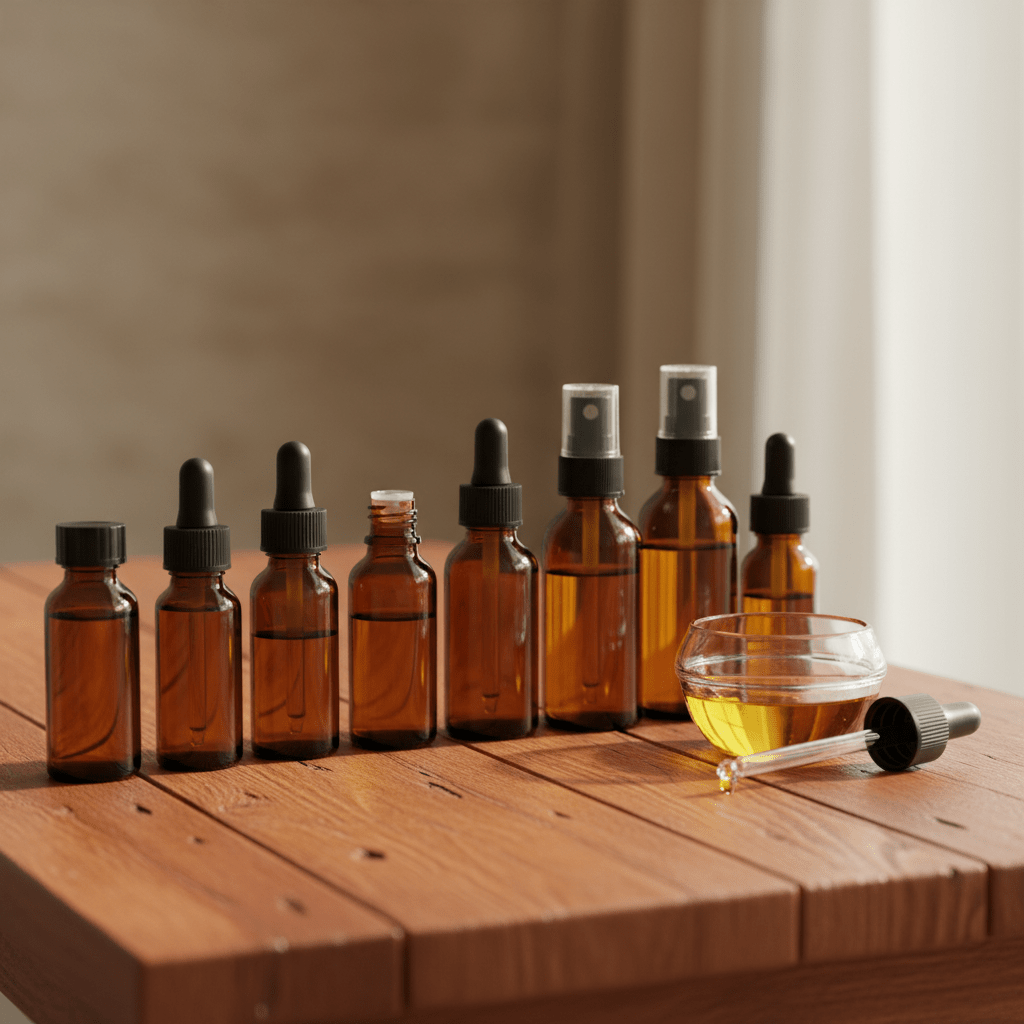
- Dark Glass Bottles: Light kills scent. It breaks down the oil and ruins the smell. Amber or blue glass bottles—specifically spray or roller ones—protect your creation.
- Carrier Oil: This is the base. Pure essential oils are too strong to use alone. Jojoba oil is a favorite because it mimics your skin’s natural oils and doesn’t expire quickly. Fractionated coconut oil is another winner since it has literally no smell of its own, so your perfume shines through.
- Pipettes or Droppers: Trust me, trying to pour “just one drop” from a big bottle never ends well. These help you count drops perfectly.
- Your Oils: Make sure they are real. If you are looking to stock up or run a small business, grabbing lab-tested oils from a place like Aroma Monk is a smart move. You get the pure stuff without the retail markup.
Why Safety Always Wins
Here is the thing about essential oils: they are powerful.
One drop can equal pounds of plant material. Putting that straight on your skin is a recipe for a bad rash. We call this “neat” application, and usually, it’s a huge no-go.
To revive essential oils and turn them into a wearable perfume, you have to dilute them. This just means mixing them with that carrier oil we talked about. It makes the scent last longer and keeps your skin happy.
The “Golden Rule” Dilution Chart
How much is too much? Here is a cheat sheet for a standard 10ml roller bottle:
- Subtle Scent (5-10%): 10-20 drops of essential oil.
- Strong Perfume (15-20%): 30-40 drops of essential oil.
But wait—before you go all in, do a patch test.
Mix one drop of oil with a teaspoon of carrier oil. Rub a tiny bit on your inner forearm. Then, you need to wait 24 to 48 hours to see if your skin gets angry or red.
If it looks good, you are clear to mix. It feels slow, I know. But checking for reactions now saves you a lot of trouble later. Once you have your safe zone established, the real fun begins.
Understanding the Perfume Pyramid: Top, Middle, and Base Notes
Think of your favorite song for a second.
It probably starts with a catchy intro (maybe a guitar riff), settles into the main melody that you hum all day, and is supported by a deep bassline that holds it all together.
Making perfume is eerily similar. We call this the “perfume pyramid.” It’s just a fancy way of saying that different scents evaporate at different speeds. If you threw all your oils in a bottle without thinking about this, you’d end up with a muddy smell that disappears in twenty minutes.
Let’s break down the three players in this band.
Top Notes: The First Impression
These are the sprinters. They hit your nose immediately when you open the bottle, but they burn off fast—usually within 15 to 30 minutes.
Top notes are bright, fresh, and usually sharp. Think of citruses like Lemon or Bergamot, or herbs like Basil. They are the “hello” of the fragrance. When you want to revive essential oils in a blend that feels flat, adding a punchy top note usually does the trick.
- Goal: Grab attention.
- Typical Amount: About 30% of your blend.
Middle Notes: The Heart
Once the citrus fades, the “heart” notes take center stage. This is the main personality of your perfume.
These scents hang around for a few hours and usually make up the biggest chunk of your recipe—about 50%. This is where your florals live.
Actually, here is a cool detail about rose oil I learned recently. You might see “Rose Otto” and “Rose Absolute” when shopping. Rose Otto is steam-distilled and smells light and fresh, while the Absolute is solvent-extracted and smells deep and rich. Choosing the right version changes the whole vibe of your heart notes.
For a reviving floral mix, try pairing Geranium with Ylang Ylang. It sounds weird, but the minty sharpness of Geranium cuts through the creaminess of the Ylang Ylang beautifully.
Base Notes: The Anchor
Finally, we have the base notes. These are the heavy lifters.
They are thick, slow to evaporate, and can last on your skin (or your sweater) for days. They anchor the lighter top and middle notes so they don’t fly away too fast. We are talking about Sandalwood, Cedarwood, Vanilla, or Frankincense.
- Goal: Longevity and depth.
- Typical Amount: The final 20%.
It’s a balancing act. If you have too much base, it smells like incense. Too much top, and it smells like cleaning spray. But when you get that 30-50-20 ratio right? Pure magic.
If you are a visual learner, this quick video breaks down how these notes interact really well:
Get a quote from Aroma Monk.
Essential Oil Supplier – Bulk pricing • Samples • Fast response
Choosing Your Palette: The Best Floral Essential Oils for Perfume
Okay, now comes the best part.
We have the safety gear. We understand the pyramid. Now we get to pick our paint colors.

Walking into the world of floral oils can feel overwhelming. There are so many options, and some of them cost more than a nice dinner out. But you don’t need fifty different bottles to make something amazing. You just need a few high-quality ones that play well together.
When I first started blending, I bought everything. Big mistake. I ended up with a lot of weird smells I never used.
So, let’s save you some money and frustration. Here are the floral superstars that act as the backbone for most natural perfumes.
The Floral All-Stars
1. Lavender (Top/Middle Note)
Most people think of sleep or laundry when they smell Lavender. But in perfume? It is a secret weapon. It is fresh, clean, and herbaceous. It stops your flower blend from becoming too sugary. If you want a scent that feels like a crisp spring morning, you need this.
2. Neroli (Top/Middle Note)
This comes from orange blossoms. It is pricey, but wow, it is worth it. It smells like honey and citrus mixed together. Because it bridges the gap between top and middle notes, it helps your perfume flow smoothly from the first spray to the dry down.
3. Ylang Ylang (Heart Note)
We call this the “flower of flowers.” Use it sparingly because it is strong. It has a creamy, exotic vibe that feels very tropical. It creates a rich, textured effect that simple synthetic fragrances just can’t copy. If you want your perfume to feel bold, this is your pick.
4. Jasmine (Heart Note)
If Ylang Ylang is the fun friend, Jasmine is the sophisticated one. It is deep, intense, and a little mysterious. A tiny bit adds a huge amount of depth. It is perfect for a “night out” kind of scent.
5. Rose (Heart Note)
We touched on this earlier, but Rose is the queen for a reason. Whether you choose the lighter steam-distilled version or the deeper absolute, it brings romance to the blend. It rounds out sharp edges and makes everything smell expensive.
Don’t Forget the Supporting Cast
Here is a pro tip: A perfume made only of flowers can be a bit much. It’s like eating a bowl of frosting. You need something to balance the sweetness.
That is where your non-floral friends come in.
- Bergamot (Top Note): This is a citrus oil, but it has a floral side to it (it’s the smell in Earl Grey tea). It adds a sparkle to the top of your blend that lifts the heavy florals.
- Sandalwood (Base Note): This is the wood that holds the house up. It is creamy and soft, not sharp like pine. It gives your flowers a warm bed to rest on so they last longer on your skin.
When you are looking to revive essential oils regarding your creative spark, sticking to these classics is the best way to start. You don’t need to get fancy yet.
Also, quality really matters here. Since you are putting this directly on your pulse points, you want 100% pure plant juice, not something diluted with synthetic solvents. I usually recommend checking out bulk suppliers like Aroma Monk. They lab-test everything, so you know exactly what you are getting, and you aren’t paying for a fancy retail label.
Got your oils ready? Good. Now, let’s put them together in a recipe that actually works.
The Recipe: How to Make a ‘Spring Revival’ Floral Bouquet Perfume
It is time to take all those bottles and make something real.
I’m sharing my favorite “Spring Revival” recipe. It’s bright enough to wake you up but deep enough to last through a dinner date. We are going to make a 10ml rollerball because they are easy to carry and spill-proof.
Here is exactly what you need.
The “Spring Revival” Blend
We are aiming for about a 15-20% concentration here. That means we will use roughly 30 to 35 drops of essential oils total. It fits perfectly into that “Strong Perfume” category we talked about earlier.
The Ingredients:
- Base Note (The Anchor): 8 drops of Sandalwood. This keeps the scent warm and grounded.
- Heart Notes (The Star): 12 drops of Geranium and 6 drops of Rose (or Ylang Ylang if you want it creamier). This is where the floral magic happens.
- Top Note (The Sparkle): 8 drops of Bergamot. This is that first burst of freshness.
The Carrier:
- Jojoba Oil (to fill the rest of the bottle).
Step-by-Step Instructions
- Oils First: Always put your essential oils in the empty bottle first. If you try to add them to the carrier oil later, it’s a big mess. Use your pipette if your bottles don’t have droppers. And if you sourced your oils from a bulk supplier like Aroma Monk, go slow—pure oils pour faster than you expect.
- The Swirl: Once your essential oils are in, put the cap on and roll the bottle between your hands for a minute. You want those scents to meet and mingle before the carrier oil crashes the party.
- Top It Off: Slowly pour your Jojoba oil into the bottle. Stop before you reach the very top! You need to leave a little air gap so you can put the rollerball insert back in without overflowing.
- Shake It Up: Cap it tightly and give it a good shake.
The Step Everyone Skips (But Shouldn’t)
You are going to hate me for saying this.
You shouldn’t use it yet.
I know, you want to smell it right now. But fresh perfume often smells disjointed—like a band that hasn’t rehearsed together. You need to let it “mature.”
Ideally, you should leave your blend in a cool, dark place for one to two weeks.

During this time, the chemicals interact and smooth out. The sharp edges of the Geranium will soften into the Sandalwood. It turns from a mixture of oils into a single, unified perfume. If you absolutely can’t wait, try it after 48 hours. But I promise, if you wait the full two weeks, it will smell completely different—and much better.
How to Wear It
Once your patience has paid off, apply it to your pulse points. That means your wrists, behind your ears, and even your inner elbows.
Your body heat in these spots helps diffuse the scent throughout the day, acting like a natural diffuser.
And the best part? This small bottle is perfect to carry with you. Whenever you need a little boost, just roll on a bit more to revive essential oils on your skin instantly. It’s a nice little self-care moment in the middle of a crazy day.
Customizing Your Signature Scent & Making It Last
You might mix up that Spring Revival recipe and think, “It smells nice, but it’s not quite… me.”
That is totally fine. Actually, it’s expected.
Perfumery is a lot like cooking. Sometimes you want more garlic. Sometimes you absolutely hate cilantro. You don’t have to stick to the recipe card. The goal is to make something that makes you happy every time you smell your wrist.
Here are a few easy ways to tweak the blend.
Simple Swaps for a New Vibe
If you don’t love a specific oil, just trade it out. You don’t need to overthink it.
- Not a fan of Geranium? Swap it for Lavender. This shifts the scent from “floral garden” to “clean and calm.”
- Want something sexier? Trade the Rose for Jasmine. It instantly makes the perfume feel deeper and perfect for a night out.
- Need more energy? Swap the Bergamot for Grapefruit or Lime. It adds a sharper kick to the opening.
Adjusting the Volume
You can also play with the math.
If you want a scent that feels like pure sunshine, increase your top notes. Use more citrus and less wood. It will be bright, but remember, it won’t last as long.
If you want a “moody” scent—something cozy for a rainy day—go heavy on the base notes. Double the Sandalwood and cut the citrus in half.
The Secret to Longevity
Here is the one thing that frustrates everyone about natural perfume: it fades.
Since we aren’t using synthetic chemical “fixatives” (the glue that keeps department store perfumes on your skin for 24 hours), the oils evaporate naturally. But don’t worry. I have a trick found in almost every pro’s book.
Use unscented lotion first.
Dry skin eats perfume. It soaks it right up. If you create a barrier with a neutral moisturizer before you roll on your scent, the oils sit on top and last much longer. It sounds too simple to work, but it really does.
Keep It in the Dark
Finally, treat your bottle like a vampire.
Sunlight and heat are the enemies. They oxidize the oils, making them smell sour or flat. I learned this the hard way after leaving a favorite blend on my windowsill. One week later? It smelled like old salad dressing.
Keep your rollerball in a bag, a drawer, or a cool cupboard. This simple habit helps preserve the integrity of the scent, ensuring you don’t need to constantly mix new batches to revive essential oils that have gone bad.
So go ahead. Break the rules. Mix things up. You might just create a masterpiece.
Embrace Your Inner Perfumer and Revive Your Senses
We’ve come a long way from that woozy headache in the department store aisle.
Making your own DIY essential oil perfume isn’t just about avoiding chemicals. It’s about taking control. It is about deciding that you want to smell like a fresh garden, not a synthetic factory.
The most important thing I hope you take away from this? Quality matters.
You can have the perfect recipe, but if your ingredients are weak, the result will be too. That is why sourcing pure, tested oils from places like Aroma Monk makes such a big difference. When you use the real stuff, you don’t just get a nice smell; you get the actual plant power to revive essential oils‘ natural benefits on your skin.
Remember the golden rules we talked about:
- Respect the Pyramid: Let those top, middle, and base notes do their dance.
- Patience: Let your blend rest for a week. Seriously, wait for it.
- Safety First: The FDA notes that even natural ingredients can cause reactions, so never skip that patch test on your arm.
Now, the fun part is up to you.
I really want to know what you come up with. Did you stick to the “Spring Revival” recipe? Or did you find that adding a drop of Vanilla changed everything?
Go grab your bottles, start mixing, and tell us about your signature scent in the comments below. Let’s get creative.
Get a quote from Aroma Monk.
Essential Oil Supplier – Bulk pricing • Samples • Fast response