
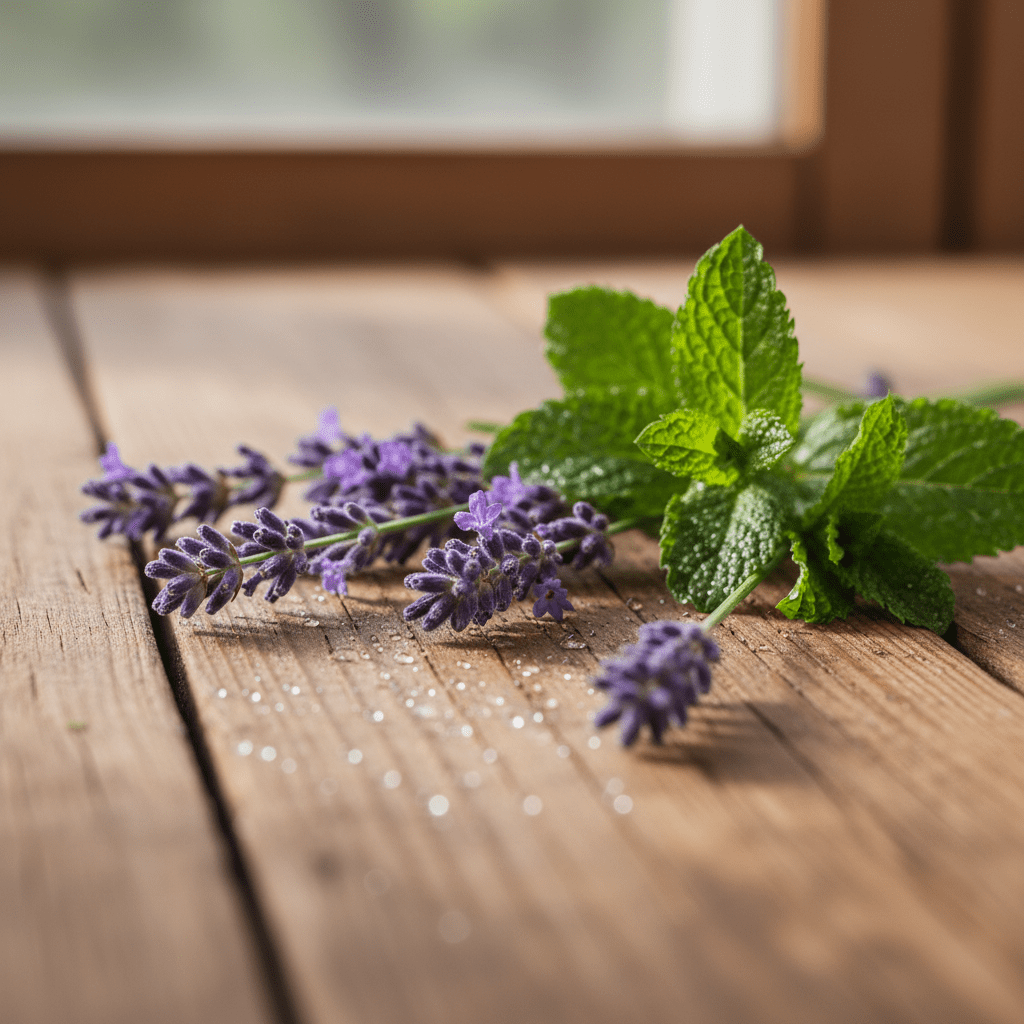
Why Your Choice of Home Fragrance Matters More Than You Think
You know that feeling when you walk into a room and it just smells… clean? Maybe it’s a hint of lemon or calm lavender. It instantly changes your mood.
We all love a good-smelling home. But here is where most of us get it wrong. We grab a synthetic spray or a plug-in from the grocery store. It covers up the dog smell, sure. But that’s pretty much all it does.
Actually, there is a better way. And it’s kind of a big deal right now.
More people are switching to essential oils as fragrance. We aren’t just talking about making things smell pretty. We are talking about natural home fragrance that actually does something for you. Unlike fake scents, pure oils have real therapeutic properties.
Think about it. When you breathe in real peppermint, it wakes up your brain. When you smell real chamomile, it helps you relax. That “Ocean Breeze” plug-in? It’s just chemicals. It can’t help you focus or sleep better.
The world is catching on, too. In fact, over 62% of people now prefer natural scents over synthetic ones. Why? Because we are tired of fake ingredients. We want aromatherapy benefits that turn our houses into healthy spaces.
So, let’s figure out how to swap the fake stuff for the real stuff. Your nose—and your peace of mind—will thank you.

The Science of Scent: How Fragrance Becomes a Feeling
Have you ever caught a whiff of vanilla and instantly thought of baking cookies with your grandma? Or smelled rain on hot asphalt and felt like it was summer vacation all over again?
That isn’t magic. It’s biology.
And honestly? It is one of the coolest things your body does.
The Direct Highway to Your Brain
Most of our senses—like hearing or touching—have to go through a sort of “processing center” in the brain before we really feel them. They take the scenic route.
But smell is different.
Scent takes the express lane. It travels on what scientists call the olfactory system. Think of it like a direct information highway from your nose straight to your emotions.
When you breathe in an aroma, those tiny scent molecules hit your olfactory bulb. From there, they shoot directly into two very special parts of your brain:
- The Amygdala: This is where you process emotions.
- The Hippocampus: This is where you store memories.
This happens almost instantly. That is why a smell can make you cry or smile before you even realize what you are smelling. It bypasses the logical part of your brain entirely.
This connection is so strong that scientists even have a name for it: the “Proustian phenomenon.” It’s why scent is the strongest trigger for memory we have.
Real vs. Fake: Why Your Brain Knows the Difference
Now, you might be thinking, “Okay, so if I smell a lavender plug-in, shouldn’t that relax me?”
Well, not exactly.
Here is the thing about how to use essential oils for mood effectively—you can’t fool Mother Nature.
Synthetic fragrances are usually made in a lab to mimic a smell. They might smell like a flower, but they are chemically “flat.” They often consist of just one or two isolated molecules.
On the other hand, pure essential oils are incredibly complex. A single drop of real rose or peppermint oil contains hundreds of different natural chemical compounds.
When you inhale these, they fit into your brain’s receptors like a complex key fitting into a lock. This is what unlocks the therapeutic properties of essential oils.
- Real Lavender: Tells your nervous system to calm down.
- Synthetic Lavender: Just tells your brain “something smells purple.”
Because synthetic scents lack those complex natural compounds, they don’t trigger the same physiological response. They don’t lower your heart rate or reduce stress hormones. In fact, for many people, the harsh chemicals in fake fragrances can actually trigger headaches.
This is why sourcing matters. At Aroma Monk, we see this all the time with our bulk partners. If the oil isn’t 100% pure and lab-tested for quality, you are basically just buying expensive perfume, not a wellness tool.
So, when we talk about changing your mood with scent, we have to start with the real stuff. Your brain creates a physical response to these plants that it just can’t create with a chemical copycat.## Decoding the Label: Identifying Truly Therapeutic Essential Oils
You are standing in the aisle at the store. You pick up a bottle labeled “Lavender Scent” for $5. Next to it, there is another bottle labeled “Pure Lavender” for $20.
They both smell like purple flowers. So, why would you pay four times as much for the second one?
Confusion creates customers who buy the wrong thing. And usually, the wrong thing is just expensive perfume water.
If you want the real therapeutic properties of essential oils, you have to know how to read the label. It’s not as hard as it looks, but companies try to make it tricky.
The “Fragrance Oil” Trap
First, we have to spot the fakes.
Lots of bottles say things like “Aromatherapy Scent” or “Fragrance Oil.” If you see the word “Fragrance” anywhere, put it back on the shelf.
“Fragrance oil” is code for synthetic. It means it was made in a factory, not a field. It might smell nice, but it won’t help you sleep or focus.
When we talk about pure essential oils vs fragrance oils, the difference is night and day. One is medicine from the earth; the other is a chemistry project.
Your 5-Second Label Checklist
Want to know if you are holding the good stuff? Here is a quick mental list to run through before you buy.
- The Latin Name: A real bottle will list the scientific name. For lavender, it should say Lavandula angustifolia. If it just says “Lavender,” it might be a mix of cheaper plants.
- Country of Origin: Plants grow better in certain places. You want to know where yours came from.
- Extraction Method: Look for words like “Steam Distilled” or “Cold Pressed.”
- 100% Pure: This sounds obvious, but look for it. Avoid anything that says “identical” or “blend” unless you know what it is blended with.
- Testing: The gold standard is something called GC/MS testing. It sounds technical, but it just means a lab checked to make sure there are no fillers.
We see this a lot at Aroma Monk. Since we supply bulk oils to businesses, we know that if an oil isn’t lab-tested, you have no idea what is actually in that drum. Or that little bottle.
Why Is Real Oil So Expensive?
This is the part that shocks most people.
Real essential oils as fragrance cost more because they take a massive amount of plants to make.
Let’s look at lavender again. To make just one small 15ml bottle of pure oil, it takes between 150 and 250 pounds of fresh lavender flowers.
That is a huge pile of flowers.
So, if someone is selling you a bottle for $5, do the math. Could they really grow, harvest, and distill 250 pounds of flowers for five bucks?
Probably not.
Cheap oils are often cut with vegetable oil or synthetic chemicals to stretch the batch. They might smell okay for a minute, but they won’t give you those deep brain-calming benefits we talked about earlier.
When you buy pure, you are paying for the yield. You are paying for the acres of plants it took to get those drops.
It costs a bit more upfront. But because it is so concentrated, you only need a drop or two. A real bottle lasts way longer than the fake stuff anyway.

Get a quote from Aroma Monk.
Essential Oil Supplier – Bulk pricing • Samples • Fast response
Your Aromatic Palette: Pairing Scents with Their Therapeutic Benefits
Think of your essential oil collection like a spice rack.
You surely wouldn’t dump a spoonful of garlic powder into a fruit smoothie, right? That would be… interesting. But definitely not tasty.
The same logic applies to scent.
You probably don’t want to smell stimulating peppermint right before you try to sleep. And you definitely don’t want sleepy lavender when you are trying to finish a project five minutes before the deadline.
Building an “aromatic palette” is about matching the right plant to the right moment.
It sounds fancy, but it’s actually really practical. Once you know which oils do what, you can basically curate your own mood.
We sort our bulk orders at Aroma Monk by these categories all the time because big wellness brands know that consistency is everything. If they want to sell a “Sleep” spray, they need ingredients that actually make people sleepy.
So, let’s break down the three main vibes you might want to create in your home.
1. For Deep Relaxation & Sleep
This is usually why people buy their first bottle of essential oil. We are all stressed, tired, and just want to turn our brains off at the end of the day.
Synthetic air fresheners might smell like pleasant laundry, but they rarely help your nervous system settle down. These oils, however, are heavy hitters for relaxation.
Lavender (Lavandula angustifolia)
- The Vibe: Floral, herbaceous, and slightly sweet. It smells like a calm summer garden.
- What It Does: You have heard this one before, but here is why it works. Lavender contains a compound called linalool. This chemical is famous for its ability to calm the nervous system.
- Best Used When: You have had a frantic day and your mind won’t stop racing. Put this in the diffuser about 30 minutes before bed.
- Blends Well With: Cedarwood or Vetiver. Adding a woodsy scent grounds the floral notes, making it smell less like a flower shop and more like a cozy cabin.
Roman Chamomile (Anthemis nobilis)
- The Vibe: Sweet, fruity, and almost like crisp green apples. It is much softer than lavender.
- What It Does: This oil is incredibly gentle. It is often used to soothe irritability. If lavender feels too “perfumey” for you, chamomile is a great alternative.
- Best Used When: You feel grumpy or overstimulated. It’s like a warm cup of tea for your emotions.
- Blends Well With: Lavender or Bergamot.
2. For Energy & Sharp Focus
Okay, let’s flip the switch.
Sometimes you don’t want to relax. You want to get things done.
Maybe it is 2:00 PM on a Tuesday, your coffee has worn off, and you are staring at a blank screen. This is where you need stimulating oils. These scents interact with your brain to wake you up and improve alertness.
Peppermint (Mentha piperita)
- The Vibe: Sharp, minty, cool, and fresh. It clears your sinuses and your head instantly.
- What It Does: This is the powerhouse of productivity. It contains menthol, which creates that cooling sensation. But it does more than just cool you down. Research has shown that peppermint can help reduce fatigue and even improve physical performance. It basically tells your brain, “Hey, pay attention!”
- Best Used When: You are studying, working on a spreadsheet, or need a pre-workout boost.
- Blends Well With: Lemon or Rosemary. The citrus cuts through the mint sweetness for a really clean, professional scent.
Lemon (Citrus limon)
- The Vibe: Bright, zesty, and sour-sweet. It smells like sunshine in a bottle.
- What It Does: Citrus oils are naturally uplifting, but lemon specifically is great for clarity. It helps cut through “brain fog.”
- Best Used When: You need to clean the house or organize your life. It makes everything feel fresh and manageable.
- Blends Well With: Peppermint or Eucalyptus.
3. For Emotional Uplift & Happy Vibes
Sometimes you aren’t necessarily tired, but you just feel… blah.
Maybe it’s a rainy day, or you’re feeling a bit down. Essential oils can be a quick way to shift the atmosphere in the room from heavy to light.
Bergamot (Citrus bergamia)
- The Vibe: Complex, citrusy, spicy, and floral. If you drink Earl Grey tea, you know this smell. It is the sophisticated cousin of the orange.
- What It Does: Bergamot is unique because it is both uplifting and calming at the same time. It doesn’t make you jittery like coffee might. It has strong anxiolytic (anti-anxiety) effects that can help lift a heavy mood.
- Best Used When: You feel anxious-sad or just need a little emotional pick-me-up.
- Blends Well With: Geranium or Ylang Ylang. These florals bring out the softer side of the citrus.
Sweet Orange (Citrus sinensis)
- The Vibe: Juicy, sugary, and warm. It is pure happiness.
- What It Does: It is hard to be in a bad mood when you smell peeling oranges. It promotes cheerfulness and can help ease nervous tension.
- Best Used When: You have people coming over and want the house to feel welcoming and friendly.
- Blends Well With: Cinnamon or Clove. This combo smells exactly like the holidays, no matter what time of year it is.
Creating Your Own blends
Now, here is the fun part.
You don’t have to stick to just one. You can mix these up to create something totally new. This is how professional perfumers do it, and it’s how we help our clients develop signature scents.
Start small.
Try mixing one drop of a “top note” (like Lemon) with one drop of a “base note” (like Cedarwood).
Try this “Get Stuff Done” blend:
- 3 drops Peppermint
- 3 drops Sweet Orange
It sounds weird—mint and orange?—but the brightness of the orange balances the sharp mint perfectly. It wakes you up without making you sneeze.
Just remember, these are potent plant extracts. A little goes a long way. You don’t need to fill the room with a cloud of scent to get the benefits. Usually, 5 to 10 drops in a standard water diffuser is plenty for a medium-sized room.
Beyond the Diffuser: Practical Ways to Integrate Therapeutic Fragrance
Most people start their journey with essential oils as fragrance in the same way. You buy a plastic gadget that looks like a space pod, fill it with water, add a few drops of oil, and watch the steam come out.
And that works. It works really well.

But you can’t exactly carry a bubbling water machine into a meeting at work. And you probably don’t want to refill a water tank every time you want your car to smell nice.
Turns out, there are tons of ways to use these oils. Some are for the room, some are for your skin, and some are just lazy hacks (which are my favorite).
Let’s expand your toolkit beyond the plug-in mist maker.
Making the Air Work for You (Aromatic Use)
Getting the scent into the air is the fastest way to change the feel of a room. This is what we call natural home fragrance.
While the market for fake smells is growing slowly, the demand for natural options is exploding. In fact, reports show that the natural fragrance market is growing almost twice as fast as the synthetic one, with over 62% of people claiming they prefer natural scents.
We all want our homes to smell good without the chemicals.
- Ultrasonic Diffusers: This is the standard water-based one. It uses vibrations to break water and oil into a fine mist. It adds a little humidity to the air, which is great for dry winters.
- Nebulizing Diffusers: These are the heavy hitters. They don’t use water or heat. They just blast pure, microscopic oil particles into the air. If you have a large living room, this is your best bet for strong scent.
- Personal Inhalers: Think of this like a lipstick tube, but inside there is a cotton wick soaked in oil. You uncap it, take a deep breath, and put it back in your pocket. It’s perfect for invisible stress relief at the office.
Wearing Your Wellness (Topical Use)
Okay, pause for a second.
This is the most important part of this whole article. Please read this before you put anything on your skin.
Never put essential oils directly on your skin.
I know, I know. You saw someone do it on TikTok. But these are highly concentrated plant extracts. Putting a drop of pure oregano or cinnamon oil on your arm can cause a chemical burn.
To use them safely, you need a “carrier oil.” This is a neutral vegetable oil—like jojoba, sweet almond, or even olive oil from your kitchen—that dilutes the potency.
We supply gallons of these carrier oils to skincare brands at Aroma Monk because they are the backbone of safe application. You get the benefit without the burn.
Here is the math for DIY essential oil blends:
- Face: 1 drop of essential oil per teaspoon of carrier oil.
- Body: 3 to 6 drops of essential oil per teaspoon of carrier oil.
According to safety experts, keeping your body dilution between 1% and 3% results in a safe experience for most adults.
Once diluted, you can rub it on your pulse points (wrists, neck) or massaged into sore muscles.
A Quick Safety Warning on Sun and Pets
Since we are talking about safety, keep an eye out for citrus oils.
Oils like Lemon, Lime, and Bergamot are “phototoxic.” That means if you put them on your skin and then go out in the sun, you can get a nasty sunburn or discoloration.
Also, your fur babies process scents differently than you do. Some oils, like Tea Tree and Wintergreen, can be tough on cats and dogs. Always double-check before diffusing around pets.
The “Lazy” Methods (Passive Diffusion)
Sometimes you don’t want to measure drops or plug anything in. These are great natural alternatives to air fresheners because they just sit there and work.
- Wool Dryer Balls: Ditch the dryer sheets. Put 3-4 drops of lavender or orange on a wool ball and toss it in with your laundry. Your clothes will smell amazing without the fake coating.
- Clay or Terracotta: You can buy porous stones or pendants. Put a drop of oil on them, and the stone absorbs it, slowly releasing the scent over a day or two.
- Car Vent Clips: You can make your own by clipping a wooden clothespin to your AC vent. Put a drop of Peppermint on the wood. When the air blows, your car smells fresh and you stay alert while driving.
See? It doesn’t have to be complicated. You can sneak these therapeutic benefits into your life in about thirty seconds.## Safety First: Essential Rules for Using Essential Oils Responsibly
Look, I love plants. But here is a hard truth.
Just because something is “natural” doesn’t mean it is safe.
Bears are natural. Arsenic is natural. Poison ivy is natural. You wouldn’t invite a bear into your living room, right?
The same logic applies here. When you are using essential oils for wellness, you are handling super-concentrated chemical compounds. One drop of peppermint oil is roughly equal to 28 cups of peppermint tea.
That is strong stuff.
If you use them wrong, you can hurt yourself. We see this sometimes at Aroma Monk when new businesses start mixing products without reading the safety manuals first.
So, let’s keep you safe with some ground rules.
The “Don’t Drink It” Rule
You might see influencers online putting drops of Lemon oil into their water.
Please don’t do this.
Oil and water do not mix. Even if you shake it, that drop of oil stays separated. When you drink it, that concentrated oil hits the delicate tissue of your throat and stomach at full force. It can cause burns and irritation.
Unless you are working directly with a certified doctor who knows your medical history, keep the oils out of your mouth.
The Sunshine Warning (Phototoxicity)
This is one of those weird things nobody warns you about.
Some oils particularly citrus ones act like a magnifying glass for the sun. If you put them on your skin and then go outside, they react with UV rays. This can cause severe blistering and burns.
It is called phototoxicity.
The main culprits are:
- Bergamot
- Lemon
- Lime
- Grapefruit
If you use these topically, safety experts recommend you wait 12 to 24 hours before going out in the sun. Or, just stick to diffusing these ones to be safe.
Furry Friends and Tiny Humans
Your cat’s liver doesn’t work the same way yours does.
Certain compounds that are fine for us are toxic to pets because they can’t break them down. Tea Tree (Melaleuca), Wintergreen, and Peppermint can be dangerous for cats and dogs if inhaled in strong doses or applied to their skin.
If you are diffusing, always leave the door open so your pet can leave the room if the smell bothers them.
And for kids? Their skin is much thinner than yours.
If you apply oils to children, you need to dilute way more heavily. Think one drop of oil per tablespoon of carrier oil. When in doubt, just stick to gentle oils like Lavender or Chamomile.
Always Patch Test
Before you slather a new DIY essential oil blend on your arms, test it.
Put a tiny amount of the diluted oil on the inside of your elbow. Wait 24 hours. If it doesn’t get red or itchy, you are usually good to go.
These essential oil safety guidelines aren’t meant to scare you. They just help you respect the power of the plant. When you treat these oils like the potent tools they are, you get all the benefits with none of the risk.
From Fragrance to Lifestyle: Embrace a Scent-sational State of Well-being
Choosing to use essential oils as fragrance is more than just a product swap. It sends a message. It says you are done with the fake, headache-inducing chemicals and ready for something real.
It creates a huge shift in your whole home.
One minute, you are just trying to cover up the smell of last night’s dinner. The next, you are actively using essential oils for wellness to calm your kids down or wake yourself up. It transforms your daily routine from something mundane into a little ritual of self-care.
It feels pretty empowering, honestly.
But remember, the magic only happens if the quality is there. As we see constantly at Aroma Monk while sourcing for our bulk partners, using tested, pure ingredients is the only way to unlock those brain-boosting benefits. Otherwise, it’s just nice-smelling water.
Ready to start? You don’t need to be a master perfumer or have a degree in chemistry. Here are two “First Blends” to get you going immediately:
- The “Monday Morning” Kick: Mix 3 drops of Lemon with 2 drops of Peppermint. It’s like a double shot of espresso for your nose, helping you tackle that to-do list.
- The “Finally Friday” Chill: Mix 4 drops of Lavender with 2 drops of Cedarwood. This is perfect for when you need to leave the work week behind and just breathe.
So, go ahead. Ditch the synthetic plug-ins. Your home is your sanctuary, and it deserves the good stuff.
With the natural perfume market projected to reach massive numbers by 2033, it is clear that cleaner, healthier scents are here to stay. We are all waking up to the power of nature.
Welcome to the sweet smell of serenity.
Get a quote from Aroma Monk.
Essential Oil Supplier – Bulk pricing • Samples • Fast response