
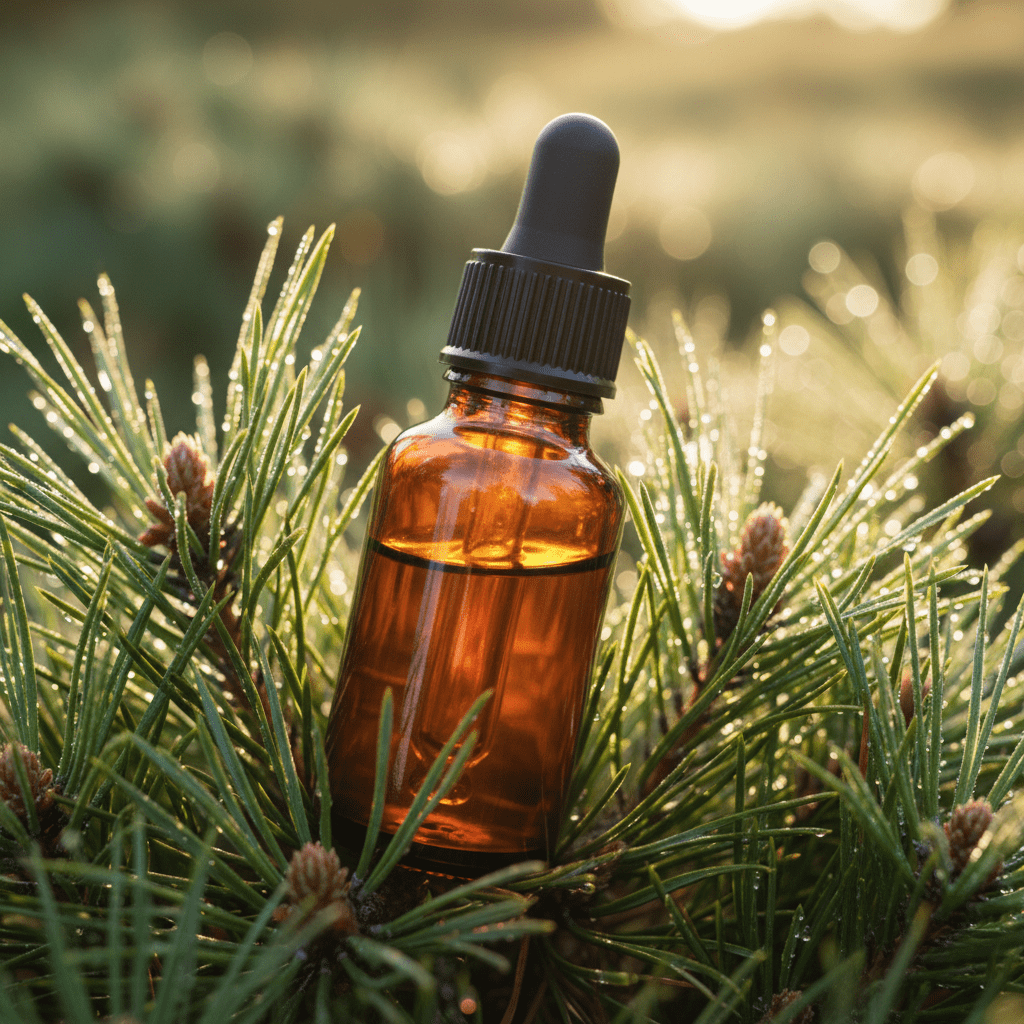
Tired of Harsh Chemicals? Discover the Natural Power of Pine Oil
You know that feeling when you scrub the bathroom and have to open a window just to breathe? Yeah, not fun.
It turns out that headache-inducing smell usually comes from harsh chemicals like bleach or ammonia. A lot of popular cleaners are packed with things called “Volatile Organic Compounds” (VOCs). These hidden ingredients can cause dizziness, eye irritation, and even long-term trouble for your liver or kidneys.
Pretty scary stuff for something that’s supposed to make your home “clean,” right?
But here’s the good news. You don’t need a hazmat suit to disinfect your counters.
More and more families are swapping the toxic bottles for a chemical-free cleaner approach. And the superstar of this movement? Good old-fashioned pine oil. I’m not talking about the fake, green-dyed stuff. I mean actual pine essential oil.
It works because of natural compounds that fight germs without the nasty side effects. Plus, it makes your house smell like a crisp mountain forest instead of a hospital hallway. Whether you’re looking for a safer pinesol alternative or just want a simple natural cleaning recipe, you’re in the right place.
In this guide, we’re going to break it all down. We’ll look at why pine oil works, share a super easy DIY all-purpose cleaner recipe using pure oil (like the kind we supply at Aroma Monk), and show you exactly how to make pine cleaner safely.
1. Why Pine Oil for Cleaning? The Science Behind the Scent

Ever wonder why walking through a forest feels so refreshing? It’s not just the pretty trees. It’s the chemistry.
Okay, I know “chemistry” sounds like a boring high school class. But stick with me for a second. Pine trees make a special compound called alpha-pinene. Try saying that three times fast!
This tiny compound is a natural warrior. It protects the tree from pests and rot. Luckily for us, it does the same thing for our kitchen counters.
The Germ Fighter
When you use pine essential oil, you aren’t just making things smell nice. You are actually fighting germs.
Studies show that this natural ingredient helps prevent harmful bacteria—such as E. coli and Staph—from growing. It’s nature’s way of keeping things sanitary.
Think of it this way:
- Chemical Cleaners: Often burn germs with harsh toxins.
- Pine Oil: Fights germs using the plant’s own immune system.
It’s a cleaner way to clean. Literally.
Smells That Don’t Lie
We’ve all been there. You spray a “Fresh Rain” air freshener in the bathroom. Now, instead of just a bad smell, you have a bad smell mixed with fake flowers. Gross, right?
Most sprays just put a mask on odors. It’s like putting perfume on dirty laundry. It doesn’t fix the problem.
Disinfecting with pine oil is different. Because of how it interacts with the air, it helps destroy the odor instead of just covering it up. That’s why the freshness lasts longer. It’s real.
Not All “Pine” Is Created Equal
Now, a quick heads-up.
Just because a bottle has a picture of a tree on it doesn’t mean it’s good for you.
Many popular store brands use synthetic chemicals to copy the smell of pine. They might use a little bit of processed pine oil, but it’s often mixed with those nasty VOCs we talked about earlier.
To get the real benefits, you need pure essential oil. That’s the stuff that contains the actual alpha-pinene. At Aroma Monk, we see this all the time—businesses and families realizing that the 100% pure oil is stronger, safer, and works better than the watered-down versions on the shelf.
So, we know it works. But how do you actually use it without turning your floor into a sticky mess? Let’s get into the recipe.
2. Safety First: Essential Precautions for Using Pine Essential Oil
Actually, wait—before we start mixing, we need to talk safety.
I know, I know. You want to get to the how to make pine cleaner part. But natural doesn’t always mean harmless. I mean, poison ivy is 100% natural, but you wouldn’t want to scrub your bathtub with it.
Because pine essential oil is so powerful—that’s exactly why it works—it demands a little respect. Here is what you need to know to keep your family (and your furniture) safe.
The Cat Warning (Please Read This)
If you share your home with cats, listen up. This is super important.
It turns out our feline friends are missing a specific liver enzyme needed to break down certain compounds, specifically phenols and terpenes. Guess what pine oil is full of? You guessed it.
Because they can’t process it, pine oil can be toxic to cats. The ASPCA advises strict caution here.
Does this mean you have to banish it forever? Not necessarily. But if you are using a pinesol alternative on your floors, keep the cats out of the room until everything is bone dry and the room has aired out. If your cat has respiratory issues, you might want to skip it entirely in favor of plain vinegar. Dogs are generally tougher, but always keep an eye on them.
Dilution is Everything
There is a temptation to add “just a little extra” oil to make your cleaner stronger. Don’t do it.
Undiluted essential oils are highly concentrated. If you get the pure stuff directly on your hands, it can cause skin irritation or even burns.
Also—and this is the tricky part—oil and water don’t naturally mix. If you just drop pine oil into a spray bottle of water, it floats on top. When you spray, you might get a burst of pure, undiluted oil. That’s why a good natural cleaning recipe always includes an emulsifier (like soap or alcohol) to help disperse it safely.
Basic Ground Rules
To keep everyone safe while disinfecting with pine oil, stick to these three rules:
- Ventilation matters: Open a window. Even though it smells like a lovely forest, breathing in concentrated fumes in a tiny, closed bathroom isn’t great for your lungs.
- The Patch Test: Before you go to town cleaning your grandmother’s antique table, test a tiny, hidden spot first. Real essential oils are solvents and can sometimes react with finishes.
- Kid-Proof It: To a toddler, a bottle of pine cleaner might smell like candy or juice. Store your DIY all-purpose cleaner high up, just like you would with the harsh chemical stuff.
Okay, safety brief over. Now that we know how to handle it, let’s get to the mixing.
3. Gathering Your Supplies: What You’ll Need for Your DIY Disinfectant
Ready to make your own homemade disinfectant? Good news: you don’t need a degree in chemistry or a shopping cart full of expensive products.
Actually, you might have most of this stuff in your pantry right now.
Here is exactly what you need to whip up a natural cleaning recipe that actually works.
The Key Ingredients
The Star Player: Pure Pine Essential Oil
This is non-negotiable. You want 100% pure oil (like the kind we source at Aroma Monk for our bulk partners). Skip the synthetic fragrance oils—they smell okay but won’t clean a thing.The Base: Distilled Water
Tap water has minerals that can leave streaks or go funky over time. Distilled keeps your DIY all-purpose cleaner fresh.The Matchmaker: Liquid Castile Soap
Here is a little science fact: oil and water hate each other. If you just mix them, the oil floats on top. To fix this, we need an emulsifier. Soap grabs onto both the oil and the water, mixing them perfectly so you get a safe clean every time How to dissolve pine oil in water.The Booster: Rubbing Alcohol (or Vinegar)
To really knock out germs, high-proof alcohol is your best friend. Aim for at least 70% Isopropyl alcohol. It’s widely considered the “gold standard” for disinfecting because it kills bacteria fast Why 70% alcohol is best.Heads up: You effectively can use white vinegar as a pinesol alternative base, but be careful! Acidic cleaners like vinegar can eat away at natural stone surfaces like granite or marble The dangers of acidic cleaners on stone. If you have stone counters, stick to the alcohol or just soap and water.
The Right Tools
Okay, this part is super important.
Please, I beg you—don’t use that old plastic spray bottle from the dollar store.
Essential oils are potent. They can actually eat through cheap plastic, leaching weird chemicals into your cleaner. Plus, sunlight is the enemy of essential oils. UV rays break down the natural compounds that do the cleaning.
For your how to make pine cleaner project, grab a dark glass spray bottle (amber or cobalt blue).
Glass won’t react with the oil, and the dark color acts like sunglasses for your cleaner, blocking 99% of UV light to keep it potent for longer.

Got your detailed list? Great. Now, let’s put it all together.
Get a quote from Aroma Monk.
Essential Oil Supplier – Bulk pricing • Samples • Fast response
4. Step-by-Step Recipe: How to Make Your Own Pine Oil Disinfectant
Okay, this is the fun part. Time to play scientist (but, like, the cool kind who makes their house smell amazing).
Making your own homemade disinfectant isn’t exact rocket science. You don’t need beakers or Bunsen burners here. But the order you mix things in actually matters. If you dump everything in at once, you might end up with an oily mess floating on top of your water.
Here is the fail-proof method we use at Aroma Monk when testing our batches. This recipe is sized for a standard 16-oz spray bottle.
The “Everyday Fresh” Base Recipe
Step 1: The Solvent Base
First, pour 1/4 cup of rubbing alcohol (or white vinegar, if you aren’t using it on stone) into your empty glass bottle. Then, add 1 teaspoon of liquid castile soap.
Why do this first? Because the alcohol and soap act as a welcoming party for the oil. They help break it down so it doesn’t just clump together.
Step 2: Add the Star Ingredient
Now, carefully drip in 15 to 20 drops of pure pine essential oil.
Since you are using the real stuff—not a watered-down cleaner—it goes a long way. If you really want that punchy forest scent, you can go up to 30 drops, but start small. You can always add more later.
Step 3: The Swirl
Before adding any water, give the bottle a gentle swirl. You want the soap, alcohol, and oil to hang out and mix together. The liquid usually turns a cloudy white color here. That’s a good sign! It means the emulsification is working.
Step 4: Top It Off
Slowly fill the rest of the bottle with distilled water. Leave about an inch of space at the top so there is room for the sprayer tube and a little shaking action.
Step 5: Shake and Spray
Screw the top on tight and give it a good shake. You’ll want to shake it before every single use, just to be sure everything is distributed evenly.
And that’s it. You just learned how to make pine cleaner in about two minutes.
Customize Your Clean
One size doesn’t always fit all. Depending on what mess you are tackling, you might want to tweak the recipe.
Variation 1: The Heavy-Duty Germ Killah
Got a bathroom that’s seen better days? Or maybe a trash can that smells suspicious?
For a true chemical-free cleaner that packs a punch against bacteria, you need to up the alcohol content.
- The Adjustment: Fill your bottle halfway with 70% Isopropyl alcohol before adding the water. The higher alcohol concentration is critical because studies show alcohol needs to be at least 60% concentration to effectively kill tough viruses and bacteria Does alcohol kill germs?. This version smells a bit sharper, but it disinfects like a pro.
Variation 2: The Gentle Living Room Blend
If you’re just wiping down the coffee table or dusting shelves, you don’t need the heavy artillery.
- The Adjustment: Cut the pine oil down to 10 drops and add 10 drops of Lemon essential oil. Lemon and pine are best buddies. They create a lighter, brighter scent that feels sunny rather than medicinal. Plus, this lighter blend is perfect for a daily DIY all-purpose cleaner that won’t overwhelm your nose.
5. How to Use and Store Your Homemade Cleaner for Maximum Efficacy
So, you’ve mixed up your first batch. It smells fresh, woodsy, and totally natural. You are probably tempted to run around the house spraying everything in sight.
I get it. It’s exciting.
But before you go spray-crazy, let’s talk strategy. Because this is a real, powerful homemade disinfectant, it plays by different rules than the gentle, soapy stuff you might be used to.
The “Green Light” List: Where to Spray
This cleaner is a beast on non-porous surfaces. It cuts through grime and tackles germs where they live.
Here is where your new cleaner shines:
- The Bathroom Throne: Ceramic is pine oil’s best friend. Spray the toilet seat, the rim, and the base. Let it sit for ten minutes to do its disinfecting with pine oil magic before wiping.
- Garbage Cans: You know that weird smell that lingers even after you take the trash out? Spray the inside of the empty can generously. The pine scent eats those odors for breakfast.
- Door Handles and Light Switches: These are the germiest spots in the house. A quick spritz and wipe every evening keeps the icks away.
- Tile Floors: Ceramic or porcelain tiles love this stuff. It leaves them shiny and makes the whole room smell like a spa.

The “Red Light” List: Where to Stop
Okay, listen carefully here.
Just because it’s natural doesn’t mean it’s safe for every single surface. If you used vinegar or alcohol in your base, or simply because pure essential oil is a solvent, you need to be careful.
Skip the Stone Counters
If you have granite, marble, or limestone countertops, put the bottle down.
Acidic ingredients (like vinegar) and potent essential oils can react with the calcium in natural stone. It causes something called “etching,” which looks like dull, cloudy water spots that you can’t wipe away. It basically eats the polish right off the rock. Stick to mild soap and water for those fancy counters.
Watch the Wood
Avoid using this on unsealed wood or antique furniture. The oil can stain unfinished wood, and the alcohol might strip the varnish off Grandma’s old dresser. Always do a patch test first.
Storage and Shelf Life
Since we didn’t add any weird chemical preservatives, your natural cleaning recipe won’t last forever.
Where to keep it?
Remember that dark glass bottle we talked about? Stick it in a cool, dark cabinet. Heat and sunlight will break down the oil and make it less effective.
When to toss it?
Because there is water in the mix, bacteria can eventually grow inside the bottle (ironic for a disinfectant, right?). A good rule of thumb is to use it up within two to four weeks.
This is why we love making small batches. It keeps everything fresh and potent. Plus, if you are buying your oil in bulk from us at Aroma Monk, you always have plenty on hand to whip up a fresh bottle whenever you need it.
Now that you know how to use it safely, let’s wrap this up with the bottom line on switching to natural.
6. FAQs: Your Top Questions About DIY Pine Oil Cleaner Answered
You’ve got the recipe. You’ve got the cool glass bottle. But you probably still have a few questions floating around in the back of your head.
Don’t worry, that’s normal.
Whenever we help our bulk partners at Aroma Monk switch to natural ingredients, we get asked the same things. So, let’s tackle the big three questions right now.
“Is this actually a ‘Disinfectant’?”
This is the big one.
People often use the words “cleaner,” “sanitizer,” and “disinfectant” like they mean the same thing. But they don’t.
- Cleaning just removes dirt and germs from the surface (physically wiping them away).
- Disinfecting actually kills the germs on contact.
So, where does our homemade disinfectant fit in?
If you made the version with the high-proof alcohol (the one we called the “Heavy-Duty Germ Killah”), then yes. You have a disinfectant.
Science tells us that alcohol needs to be at least 60% concentration to truly destroy viruses Alcohol effectiveness standards.
But if you stuck to just the water, soap, and pine essential oil version? That is technically a sanitizer or cleaner. It will remove dirt and reduce bacteria significantly, but it might not kill everything if you are dealing with something scary like the flu.
My advice? Use the alcohol version for the bathroom and doorknobs. Use the water version for dusting and general spills.
“Can I mix it with other oils?”
Yes! Please do.
Actually, mixing oils is kind of like building a superhero team. They work better together.
Pine essential oil is great, but it has friends.
- For Grease: Add Lemon or Orange oil. Citrus cuts through kitchen grease like magic.
- For Mold: Add Tea Tree oil. It’s famous for fighting fungus in damp showers.
- For Germs: Eucalyptus is another heavy hitter for fighting bacteria Synergistic cleaning properties.
Just remember the pet rule! Tea tree oil is famously bad for pets, so double-check safety before you get creative with your natural cleaning recipe.
“Why did my cleaner turn cloudy?”
So, you poured the water in, and suddenly your clear mix turned milky white. Did you ruin it?
Nope. Actually, that means you did it right.
Remember, oil is hydrophobic. It hates water. When you shake it up with the soap (the emulsifier), the oil breaks into tiny little droplets that hang in the water. We call this an emulsion.
It’s basically the oil and water holding hands because the soap told them to play nice.
Sometimes, if it sits for a few days, you might see a ring of oil float to the top. That’s okay too. Just give it a good shake before you spray, and it will go back to being a cloudy, cleaning machine.
Embrace a Cleaner, Greener Home with Your Own Pine Disinfectant
So, there you have it. You don’t need a degree in chemistry to keep your house clean.
Actually, making your own cleaner is kind of empowering, isn’t it? You know exactly what is in that bottle. No hidden toxins, no headache-inducing bleach fumes, and definitely no green dye #4.
You are joining a massive group of people waking up to this. The demand for natural cleaning products is skyrocketing right now because, well, people are finally tired of the harsh stuff and want safer homes.
By switching to pine essential oil, you get a sanitizer that works hard against grime but plays nice with your nose. Plus, buying a bottle of pure oil from us at Aroma Monk is usually way cheaper per ounce than buying those pre-mixed “eco” sprays at the supermarket. You save money and you control the ingredients.
I hope this guide gave you the push you needed to try it out. It takes maybe five minutes to mix up, but the fresh smell lasts for hours.
Give the recipe a try this weekend. Seriously, once you wipe down your counters and smell that crisp pine forest instead of sterile chemicals, I bet you won’t want to go back.
Get a quote from Aroma Monk.
Essential Oil Supplier – Bulk pricing • Samples • Fast response