
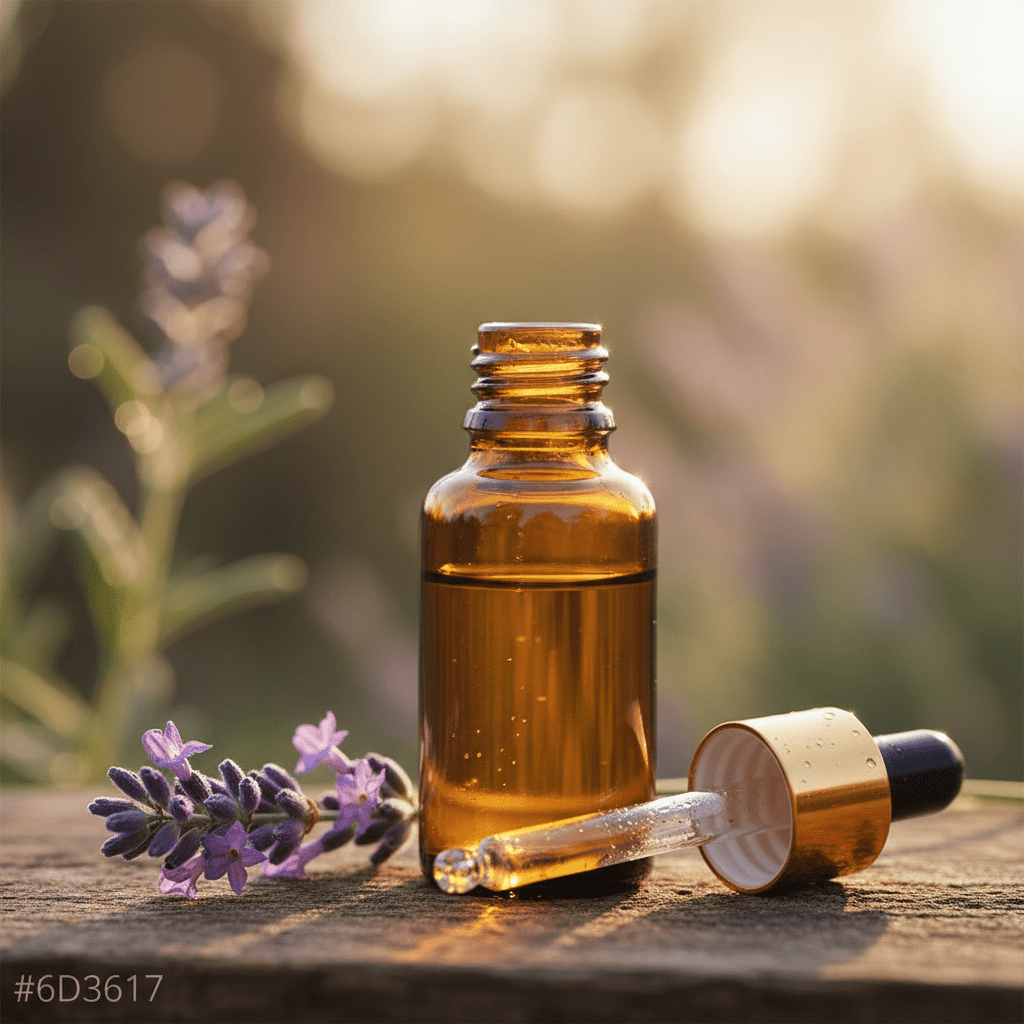
Breaking the Vicious Cycle of Anxiety and Sleepless Nights
It’s 2:13 AM. The house is quiet. The dog is snoring. But your brain?
It’s running a marathon.
You’re replaying a conversation from yesterday. Or worrying about a deadline next week. You look at the clock, calculate how many hours you have left to sleep, and panic sets in. Now you’re even more awake.
Sound familiar?
You are definitely not the only one staring at the ceiling. A report from 2024 shows that 68% of adults lose sleep specifically because of anxiety Survey on Sleep and Mental Health.
It’s a brutal loop. You can’t sleep because you’re worried. Then, you worry because you aren’t sleeping. And the next day? You’re exhausted.
We need to snap that rubber band.
This is where aromatherapy oils for anxiety can help. We aren’t just talking about nice perfume here. We’re talking about using essential oils for sleep and anxiety to send a physical signal to your nervous system. A signal that says, “Hey, it’s safe to relax now.”
I used to think it was all just pleasant smells. But the science actually shows that natural sleep aids like pure oils can shift your body out of “fight or flight” mode.
In this guide, we’re going to find out exactly which oils work, how to mix them safely, and how to finally quiet the noise in your head.
Ready to close those open tabs in your brain? Let’s figure this out.
The Science of Scent: How Aromatherapy Calms an Anxious Mind
Ever catch a whiff of old perfume and suddenly remember a person you haven’t seen in years? Or smell rain and feel instantly peaceful?
It’s not magic. It’s biology.

Actually, it’s a specific wiring in your head that makes how to use aromatherapy for anxiety so effective. See, most of our senses (like sight or touch) have to go through a processing center in the brain first. They get sorted and analyzed before you feel anything.
But smell? Smell is different.
Your sense of smell has a VIP pass. It bypasses the logic centers and goes straight to a part of the brain called the limbic system. That’s the emotional control center. It handles memories, mood, and—you guessed it—fear.
This is why you can’t just “think” your way out of a panic attack at 2 AM. Your logic logic center is offline. But your nose can still send a message.
Here is what’s happening under the hood.
When you breathe in using lavender oil for relaxation, you aren’t just smelling a purple flower. You are inhaling a compound called linalool. According to scientific research, linalool acts like a key that fits into specific locks in your nervous system. It encourages your brain to release GABA (a brain messenger).
Think of anxiety as your brain pressing the gas pedal to the floor. GABA is the brake pedal. It slows down the racing thoughts and tells your body, “Okay, the danger is gone.”
Studies show that specific scents like Lavender and Bergamot can actually lower cortisol (stress hormone) levels and calm a racing heart Effects of essential oils on the nervous system.
This is a big deal because it’s totally different from taking a sleeping pill.
Most sleeping pills are like a sledgehammer. They force your body to shut down, often leaving you groggy. They treat the symptom (being awake) but ignore the cause (the worry). Natural sleep aids like essential oils work differently. They don’t force you to sleep; they help you reduce anxiety for better sleep so your body can drift off naturally.
But—and this is important—this biological reaction only happens with real plant compounds. Synthetic fragrances from the dollar store might smell nice, but they don’t have the chemical “keys” to turn the engine off. That’s why sourcing pure, lab-tested oils (like the ones meant for wellness professionals) matters so much. You need the real stuff to get the real result.
So, your nose tells your brain to chill, your brain hits the brakes, and suddenly, that 2:13 AM panic starts to fade.
5 Best Aromatherapy Oils for Anxiety and Improved Sleep
Okay, so we know the biology. We know that your nose is a direct shortcut to your brain’s control center.
But walking down the essential oil aisle (or scrolling through a website) is pretty overwhelming. There are hundreds of tiny amber bottles. Do you need all of them?
Definitely not.
Actually, you really just need a few heavy hitters. To stop the 2 AM panic spiral, you need specific oils that are backed by data to help reduce anxiety for better sleep.
Here are the top five oils that actually get the job done.
1. Lavender: The All-Star
You probably guessed this one was coming. But Lavender isn’t just a popular smell for laundry detergent. It is the heavyweight champion of natural sleep aids for a reason.
It turns out, using lavender oil for relaxation does more than just smell nice. Research shows it helps increase something called “slow-wave sleep.” That is the deep, restorative sleep where your brain cleans itself and your muscles repair.
Plus, it increases alpha waves in the brain.
Think of alpha waves as the “daydreaming mode.” It’s that floaty feeling you get right before you drift off. One study highlighted how these compounds interact with your nervous system to calm things down Lavender and the Nervous System.
Best for: When you don’t know where to start. It’s the “Swiss Army Knife” of calm.

2. Bergamot: The Citrus Surprise
Usually, citrus smells (like Lemon, Lime, or Grapefruit) are like a shot of double espresso for your nose. They wake you up and make you feel alert.
Bergamot is the weird exception.
It’s a citrus fruit (it’s actually what gives Earl Grey tea its distinct flavor), but it works differently. Science shows us that Bergamot helps lower cortisol.
Cortisol is that stress hormone that surges when you are worried about a deadline or replaying a fight in your head. High cortisol keeps you awake. By helping lower those levels, Bergamot tells your body it’s okay to let go of the day.
Because it lifts your mood while calming you down, it’s one of the best essential oil blends for stress relief when you’re feeling sad and anxious at the same time.
Heads up: Like many citrus oils, Bergamot is phototoxic. That’s a fancy way of saying if you put it on your skin and then go out in the sun, you can get a bad burn. Keep this one for the nighttime diffuser.
3. Roman Chamomile: The Gentle Brake Pedal
Ever drank chamomile tea to settle your stomach? The oil is like that, but way stronger.
Roman Chamomile is famous for being a sedative. While Lavender acts on brain waves, Chamomile feels more like a warm, heavy blanket. It is fantastic for quieting a “racing mind”—you know, when your brain decides to list every mistake you’ve made since 2004.
It’s deeply soothing and is often considered one of the gentlest oils, making it a favorite for calming essential oils for bedtime.
4. Ylang Ylang: For the Physical Panic
This one has a funny name (pronounced Ee-lang Ee-lang), but it is serious business.
Sometimes anxiety isn’t just thoughts. It’s physical. Your heart hammers against your ribs. Your blood pressure creeps up. You feel hot and fidgety.
Using ylang ylang for stress is great here because it targets those physical symptoms. Research indicates it can help induce a “parasympathetic shift.”
In plain English? It switches your body from “fight or flight” mode into “rest and digest” mode Physiological effects of Ylang Ylang. It literally helps slow down a fast heart rate.
Best for: When your anxiety feels physical and your heart won’t slow down.
5. Frankincense: The Deep Breather
This oil has been used for thousands of years, and honestly, the ancients were on to something.
Frankincense is earthy, woody, and grounding. It’s not flowery like the others.
This oil is fantastic for how to use aromatherapy for anxiety because it encourages deep breathing. When we panic, we take short, shallow breaths. Frankincense naturally makes you want to take slow, deep inhales.
It promotes feelings of peace and tranquility. If you feel like you are floating away in a storm of chaos, Frankincense is the anchor that pulls you back to earth.
A Quick Note on “The Real Stuff”
Here is the thing—none of this works if you are using fake oils.
Your brain is reacting to specific chemical components in the plant (like linalool in Lavender). If you buy a cheap bottle that says “Lavender Scented” but is just synthetic fragrance, your brain won’t get the message to release the relaxing chemicals.
You need 100% pure, lab-tested oils—like the ones sourced by Aroma Monk—checking that what is in the bottle is actually from a plant, not a factory.
So, we have our five champions. But you can’t just dump them all in a bucket and hope for the best. Blending is an art, and safety is a big deal.
Get a quote from Aroma Monk.
Essential Oil Supplier – Bulk pricing • Samples • Fast response
How to Safely Use Calming Essential Oils for Bedtime
So, you have your bottle of Lavender or Roman Chamomile. Now what?
Do you pour it on your pillow? Put a drop on your tongue? (Please don’t do that).
Figuring out how to use aromatherapy for anxiety isn’t complicated, but there are some rules. Essential oils are super concentrated plant extracts. They are powerful. If you use them wrong, you might end up with a skin rash instead of a good night’s sleep.
Here are the three best ways to use calming essential oils for bedtime without making a mess.
1. The Diffuser Method (Air)
This is usually where everyone starts. It’s easy and makes your room smell like a spa.
For sleep, you want an ultrasonic diffuser. These use water and electronic frequencies to create a fine mist. They are quiet and usually have a tiny hum that works as white noise. Plus, they add a little humidity to the air, which is great if you sleep with the AC on.

But here is a mistake a lot of people make: running it all night long.
You actually don’t need to blast scent for 8 hours. Your nose gets “nose blind” (olfactory fatigue) after a while anyway.
Aim to start the diffuser about 30 to 60 minutes before you get into bed. This fills the room with scent and sets the mood. By the time your head hits the pillow, the work is done.
Also, keep your pets in mind. Some oils are not safe for cats or dogs. If you have a furry friend sleeping in the room, double-check that your oil choice is pet-safe.
2. The Topical Method (Skin)
Putting oils on your skin is a great way to let the compounds absorb into your system. But you have to be careful.
Never put straight essential oil directly on your skin.
It can cause irritation or even a chemical burn. You need to dilute it with a “carrier oil.” This is just a neutral vegetable oil like coconut, jojoba, or almond oil. It carries the essential oil into your skin safely.
Here is the magic recipe for healthy adults:
- The 2% Rule: Add about 12 drops of essential oil to 1 ounce (30ml) of carrier oil.
Once you have your mix, rub it on your pulse points—your wrists, temples, or behind your ears. Some people swear by rubbing it on the bottoms of their feet. The pores there are large, and it absorbs quickly.
A quick warning on the sun: Remember Bergamot? It’s one of those natural sleep aids that hates sunlight. If you put citrus oils on your skin and go out in the sun, you can get a nasty sunburn. Wash it off in the morning before you head outside Aromatherapy Safety Guidelines.
3. The Bath Method (Water)
There is nothing quite like a hot bath to melt away stress. Adding essential oils for sleep and anxiety seems like a no-brainer.
But remember, oil and water don’t mix.
If you just drop oil into the tub, it will float on top in a concentrated puddle. When you get in, that puddle sticks to your skin. Ouch.
To do this right, you need an emulsifier. That is a fancy word for something that helps oil and water play nice.
You can mix your drops with a tablespoon of carrier oil or even unscented liquid soap before adding it to the bathwater. This disperses the droplets so they don’t attack your sensitive skin.
Why Quality Matters
Since you are breathing these in or putting them on your skin, purity is a big deal. You don’t want to be absorbing random chemicals or fillers.
This is why serious buyers—like spas and wellness brands—source from places like Aroma Monk. They need oils that are lab-tested and certified pure because their business depends on it. Whether you are mixing a blend for yourself or buying a product, knowing what is in the bottle is half the battle.
Using these methods helps you create a routine. And that routine is actually part of the cure.
When you smell that Lavender every night at 10 PM, your brain eventually learns the pattern. It starts to think, “Oh, I smell the purple flower. That means it’s time to shut down.”
It takes the pressure off you trying to force yourself to sleep.
Creating Your Ultimate Pre-Sleep Anxiety-Reducing Ritual
You’ve got your oils. You know the safety rules. Now, let’s put it all together.
Think of your brain like a toddler. If you suddenly say “GO TO SLEEP!” it usually throws a tantrum. But if you have a routine—bath, book, bed—it knows what’s coming.
It’s the same for us adults. We need a “power down” sequence.
Research actually shows that having a regular bedtime routine can cut down the time it takes to fall asleep by 20% to 30% Sleep Health and Hygiene.
Here is a simple 30-minute plan to reduce anxiety for better sleep. You can change it up, but try this specific flow for a week.
The 30-Minute “Brain Off” Routine
Step 1: Set the Scent (30 Minutes Before Bed)
Go to your bedroom. Close the door. Turn on your ultrasonic diffuser.
You aren’t just making the room smell nice. You are deploying natural sleep aids into the air. This is the moment to use those calming essential oils for bedtime we talked about.
If you want to get fancy, you can try blending. Pros use a “30:50:20” rule: 30% top notes (like Bergamot), 50% middle notes (like Lavender), and 20% base notes (like Cedarwood). This creates a scent that evolves and lasts longer The Art of Blending.
Step 2: Warm Your Core (20 Minutes Before Bed)
Leave the bedroom. Let the smell fill the room while you are gone.
Make a cup of herbal tea (chamomile is great here) or take a warm shower. The change in body temperature signals your internal clock that the day is officially over.
Step 3: Empty Your Head (10 Minutes Before Bed)
This is the secret weapon for how to use aromatherapy for anxiety effectively. The smell helps your body, but you need to clear your mind too.
Grab a notebook. Write down the three things worrying you the most. Just get them out of your head and onto the paper. Then close the book. They are problems for Tomorrow You, not Sleepy You.
Why This Works
It’s not just about the schedule. It is about the connection your brain makes.
When you do this every night, your brain learns a new pattern. It starts to think, “Oh, I smell that blend. That means it’s time to sleep.”
Eventually, you won’t even need to try so hard. You will smell your best essential oil blends for stress relief, and your eyelids will get heavy automatically.
Make It Yours
Maybe you hate tea. That’s fine. Do some light stretching instead.
Maybe your heart races at night. In that case, swap out the Lavender and try ylang ylang for stress in your diffuser. The specific activity matters less than the consistency.
And the quality of your oils matters too. Using pure, lab-tested oils from a supplier like Aroma Monk ensures that the chemical signal your brain receives is strong, safe, and effective every single night.
Essential Oil Blends for Personalized Stress & Sleep Support
Using one oil is great. But mixing them? That is where the real magic happens.
Think of it like cooking. You wouldn’t just eat plain flour, right? You mix ingredients to make a cake. Aromatherapy works the same way. When you combine specific oils, you create a “synergy.” This basically means the oils work together to become stronger than they would be on their own.

Here are three simple recipes to help different kinds of anxiety. You can use these ratios in your diffuser (based on a standard 100ml water tank).
1. The “Quiet Mind” Blend
Best for: When your internal monologue won’t shut up.
- 3 Drops Lavender
- 2 Drops Frankincense
This is one of the best essential oil blends for stress relief because it balances the floral calm of using lavender oil for relaxation with the deep, grounding roots of Frankincense. It tells your brain to stop spinning.
2. The “Stress Release” Blend
Best for: After a really bad day when your shoulders feel tight.
- 3 Drops Bergamot
- 2 Drops Ylang Ylang
We talked about ylang ylang for stress earlier—it helps slow that rapid heartbeat. When you mix it with the mood-lifting power of Bergamot, you get a combo that helps you let go of anger and frustration so you can actually rest.
3. The “Deep Sleep” Blend
Best for: When you are absolutely exhausted but can’t drift off.
- 2 Drops Roman Chamomile
- 2 Drops Cedarwood
Cedarwood is a heavy “base note” (we will get to that in a second). It smells like a forest and helps anchor the lighter, apple-like scent of the Chamomile. This is heavy-duty stuff for deep rest.
How to Create Your Own
If you want to play scientist, there is a simple rule pros use called the 30:50:20 rule.
- Top Notes (30% like Bergamot): These hit your nose first. They are fast and evaporating.
- Middle Notes (50% like Lavender): This is the core smell.
- Base Notes (20% like Cedarwood): These last the longest and ground the blend.
Just remember, a blend is only as good as the ingredients. If you mix cheap, synthetic oils, you are just going to get a headache. Using 100% pure oils from a supplier like Aroma Monk ensures that when you mix these potions, you are getting the safe, chemical-free result your brain needs.
Try keeping a “Sleep Diary” for a week. Write down which blend you used and how you slept. You might find that essential oils for sleep and anxiety work differently for you than for someone else. It’s all about finding your off switch.
Frequently Asked Questions about Aromatherapy for Anxiety and Sleep
We have covered a lot of ground. But if you still have questions floating around, you aren’t alone. Here are the answers to the most common things people ask when starting with essential oils for sleep and anxiety.
Can I ingest essential oils for anxiety?
Short answer: No.
Long answer: Please, definitely do not do this. Unless you are under the direct care of a medical doctor who is also trained in aromamedicine, do not swallow these oils. They are incredibly concentrated. Drinking them can damage the delicate lining of your mouth and stomach. Stick to smelling them or applying them (diluted!) to your skin Aromatherapy Safety Guidelines.
How long does it take for aromatherapy to work?
The cool thing is that the physical reaction is almost instant. Because your nose is wired directly to your brain using that “VIP pass” we talked about, you might feel a shift in your mood within minutes.
But for long-term sleep issues? Give it about a week. It takes time for your brain to link the smell with the act of sleeping. Consistency is the secret sauce here.
Are aromatherapy oils safe for pets and children?
You have to be careful here. Cats and dogs have different livers than we do. Some oils that are great for us—like Tea Tree, Eucalyptus, and Peppermint—can be highly toxic to pets, even causing liver failure or seizures in severe cases.
Always check if an oil is pet-safe before putting it in the diffuser. And for kids? Always dilute the oil much more than you would for an adult. It is smart to chat with your vet or pediatrician first.
Where should I buy my oils?
This is the most important part. You need natural sleep aids that are 100% pure. If a bottle costs $3 at the gas station, it’s probably synthetic chemical water.
Look for suppliers who do “GC/MS testing.” That is a lab test that proves the oil is pure. A supplier like Aroma Monk is a great example here—they focus on providing lab-tested, certified pure oils for wellness professionals. Whether you are buying for yourself or a business, knowing exactly what is in the bottle keeps you safe and ensures the oil actually works.
Embrace Calm Nights and Peaceful Mornings
So, here is the truth.
Living on four hours of sleep isn’t a badge of honor. It’s effective torture. And when anxiety joins the party, it feels like a loop you can’t break.
But as we have seen, you actually have more control than you think.
We aren’t just wishing for better sleep here. We are using biology. Whether it’s using lavender oil for relaxation to trigger those calming alpha waves or using natural sleep aids like Ylang Ylang to slow a racing heart, you are giving your nervous system a manual “off” switch.
Remember, consistency is the real secret.
Building a steady routine helps teach your brain that the scent of Bergamot or Cedarwood means “safe to sleep.” It shifts the gear from panic to peace.
You don’t need to do everything at once, though. You don’t need a complex 10-step potion tonight.
Just start small.
Make sure you have the real stuff—pure, lab-tested oils like the ones from Aroma Monk—so you know you’re safe. Then, pick one oil from this guide. Maybe it’s the deep grounding of Frankincense or the gentle hug of Roman Chamomile.
Put it in your diffuser thirty minutes before bed.
Commit to just that one thing tonight. Your brain deserves a break. And honestly? You deserve a good night’s rest.
So, go ahead. Close the laptop. Set up the diffuser.
And sleep well.
Get a quote from Aroma Monk.
Essential Oil Supplier – Bulk pricing • Samples • Fast response