
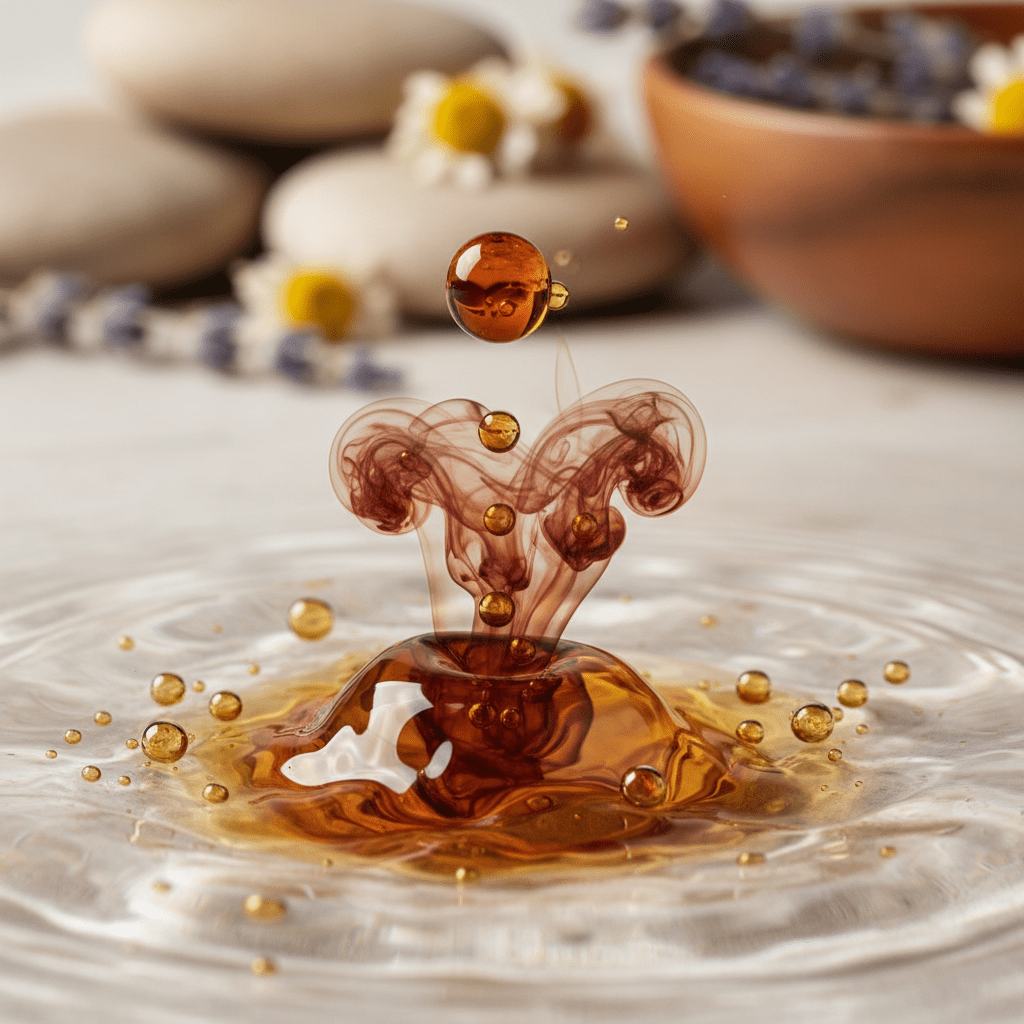
The Quest for a Fragrant Home: Can You Really Use Aroma Oil in a Humidifier?
Is there anything better than walking into a house that just smells fresh?
We all want that spa-day vibe at home. It’s probably why the global market for home scent products hit nearly $25 billion in 2024 [market data]. We love our scents.
But here is the question that pops up every winter when the air gets dry and the machines come out: Can you put essential oils in a humidifier?
It feels like a smart hack, right? Two birds, one stone. You get moisture for your dry skin and a nice smell for your room.
But hold on. Before you drop that eucalyptus oil into the tank, we need to talk.
Here’s the thing—most standard humidifiers hate oil. Mixing the two is often a bad idea that can ruin your machine (literally melting the plastic) or even hurt your air quality.
I’ve seen a lot of confusion about this, so let’s clear it up. In this guide, we’re going to look at why “aroma oil for humidifier” searches can lead you astray, the real risks involved, and the specific setups you actually need to scent your home safely.
Humidifier vs. Diffuser: Understanding the Fundamental Difference
Let’s be real for a second. If you put a cool mist humidifier and an essential oil diffuser side by side, they look like twins.
They both sit on your nightstand. They both plug into the wall. They both puff out a cloud of white mist.
So, naturally, you’d think they do the exact same thing. But mixing them up is where the trouble starts.
To understand why you usually can’t put essential oils in a humidifier, we have to look at what these machines are actually built to do. Because under the hood? They are total strangers.
The Humidifier: The Water Specialist
A humidifier has one job: Volume.
It is designed to pump gallons of moisture into your air to fight dry skin and scratchy throats. To do this, it uses a large tank and a mechanism—like a fan, a wick, or an ultrasonic plate—to turn water into vapor.
Here is the catch. The plastic used in most standard humidifiers (often a type called ABS plastic) is made to hold water. That’s it. It isn’t built to handle potent chemical compounds.
The Diffuser: The Scent Specialist
On the other hand, an essential oil diffuser is a precision tool. It’s not trying to hydrate your whole house. It’s trying to break down oil into tiny micro-particles so they hang in the air.
Diffusers are made with special plastics (usually a high-grade polypropylene) that can stand up to the strength of pure botanical oils without melting or warping.
The “Oil vs. Plastic” Problem
This is the part nobody tells you when you buy your first bottle of eucalyptus oil.
Essential oils are strong solvents.
If you have ever used lemon oil to get a sticky label off a jar, you know what I mean. It eats right through the glue. Now, imagine putting that powerful solvent into a machine made of standard plastic.
When you add drops to a regular humidifier, the oil floats on top of the water. It gets sucked into the internal parts—the rubber gaskets, the fan, and the ultrasonic plate.

Over time (and sometimes pretty quickly), the oil starts to eat away at the plastic. I’ve seen water tanks crack and leak all over hardwood floors because the plastic literally degraded from the inside out. plus, the oil creates a sticky sludge that clogs the machine, making it impossible to clean.
And here is the kicker: It usually voids your warranty.
Manufacturers know this damage happens. In fact, adding unapproved substances like essential oils typically violates the warranty terms because it corrodes the internal parts.
It’s also a waste of good product. If you are investing in high-quality, pure oils—like the lab-tested ones we supply here at Aroma Monk—you don’t want them getting trapped in a humidifier filter or floating uselessly in a gallon of water. You want them in the air.
So, strictly speaking, unless your manual explicitly says “Oil Safe,” the answer to the essential oil diffuser vs humidifier debate is simple: keep the oil in the diffuser and the water in the humidifier.
A Closer Look at Humidifier Types and Their (In)compatibility with Aroma Oils
So, you’re standing in the aisle at Target (or scrolling Amazon at 2 AM), and you see a dozen different machines. They all claim to fix your dry air, but can they handle your favorite lavender scent?
The answer depends entirely on how the machine makes mist.
I’ve taken apart enough of these units to know that what works for one will absolutely destroy another. Let’s break down the three main types you’ll find in homes today and see how they play with cool mist humidifier essential oils and other setups.
1. Ultrasonic Cool Mist Humidifiers
These are the most common ones you’ll see. They are usually quiet, affordable, and sleek.
How they work:
Inside the tank, there is a tiny ceramic or metal diaphragm that vibrates at an ultrasonic frequency. Basically, it vibrates so fast that it shakes water droplets loose, turning them into a cool fog.
The Oil Verdict:
Generally? No. Unless it has a dedicated features.
If you drop oil directly into the tank, two things happen:
- The Plate Gunk: The oil coats that vibrating plate. Since oil is heavier and stickier than water, the plate can’t vibrate properly. Eventually, the motor burns out trying to push through the sludge.
- The Tank Crack: As we mentioned earlier, the tank is likely made of ABS plastic. Essential oils can eat right through it.
However, some newer ultrasonic models are sold as an aroma diffuser humidifier combo. These have a small, separate tray (usually near the airflow outlet) where you put a few drops on a sponge. This keeps the oil away from the delicate electronics and water tank. If your machine doesn’t have that specific tray? Don’t risk it.
2. Evaporative Humidifiers
These are the workhorses. They are often bigger, noisier, and used for larger rooms.
How they work:
They use a fan to blow air through a wet filter (called a wick). It’s like blowing on a wet t-shirt to cool it down.
The Oil Verdict:
Hard pass.
If you add aroma oil for humidifier use into an evaporative tank, the oil gets sucked into the wick. It clogs the pores of the filter instantly. Once that filter is greasy, it can’t absorb water anymore.
Plus, that trapped oil becomes a breeding ground for mold and bacteria, which the fan then kindly blows all over your room. Mold and residue buildup is actually one of the top concerns users have about mixing oils and humidifiers, and for good reason—it can degrade air quality pretty fast.
3. Warm Mist Humidifiers (Vaporizers)
These are the ones your parents probably used when you had a cold as a kid. They gurgle and steam.
How they work:
They have a heating element that boils water to create steam. Simple.
The Oil Verdict:
It’s complicated (and smelly).
Some people think, “Hey, the steam will carry the scent!” But heating essential oils is tricky. When you expose delicate botanical oils to high heat, you risk changing their chemical structure.
Actually, studies have shown that heating or aerosolizing certain oils—like eucalyptus or lavender—can release volatile organic compounds (VOCs) that are irritating to the lungs.
Instead of a therapeutic spa smell, you often get a weird, burnt odor. Plus, you lose most of the therapeutic benefits that make us love these oils in the first place.
Some warm mist units come with a “medicine cup” near the steam outlet. This is designed for menthol inhalants (like Vicks VapoSteam), which are chemically formulated to handle heat. They are not designed for the pure, concentrated essential oils we supply at Aroma Monk.
The Bottom Line?
If you are searching for a humidifier that you can put scents in, you need to check the box. If it doesn’t say “Essential Oil Compatible” or “Aroma Tray Included,” assume it’s a water-only zone. The dangers of putting oil in humidifier tanks that aren’t ready for it usually outweigh the benefits costing you the price of a new machine.
Get a quote from Aroma Monk.
Essential Oil Supplier – Bulk pricing • Samples • Fast response
The Solution: Hybrid ‘Aroma Diffuser Humidifiers’ and Dedicated Diffusers

So, do you really need two separate machines cluttering up your nightstand?
A big, clunky humidifier for your dry throat and a sleek little diffuser for your stress relief?
Not necessarily.
Manufacturers finally realized we don’t want to choose between breathing easy and smelling good. Enter the aroma diffuser humidifier (also called a hybrid).
These machines are basically the peacemakers of the essential oil diffuser vs humidifier war.
The Hybrid: The Best of Both Worlds?
If you simply must have a humidifier that you can put scents in, this is what you are looking for.
A hybrid unit is usually an ultrasonic humidifier that has been modified with a special “aroma tray” or “essential oil box.”
Here is how it works: Instead of dropping oil into the big tank (which we established is a bad idea), you put your drops on a small sponge or pad in a separate tray. As the mist blows out, it passes over this pad and picks up the scent.
It’s a smart design. The oil never touches the sensitive electronics or the plastic water tank.
Some of the best humidifier for essential oils options on the market right now use this tray system. For example, recent tests show models like the Levoit LV600S or the Dreo HM524S are top performers because they handle moisture well while giving you a safe way to add fragrance.
But—and there is always a “but”—there is a tradeoff.
The scent from these hybrids is usually much lighter than what you get from a dedicated diffuser. Since the oil isn’t being atomized directly, it’s more like a whisper of fragrance rather than a shout.
The Dedicated Diffuser: For the Scent Purist
If your main goal is aromatherapy—actually getting the therapeutic benefits of the oil—a hybrid might not cut it.
Dedicated diffusers (especially nebulizers) break the oil down into microscopic particles without diluting them in gallons of water. This is crucial if you are using premium products.
For instance, here at Aroma Monk, we supply pure, lab-tested oils that are highly concentrated. If you put high-quality rose oil into a hybrid humidifier, you might lose some of that richness simply because of how much water vapor is diluting it.
Cheat Sheet: Which One Do You Need?
If you are still stuck trying to figure out how to use essential oils for home fragrance effectively, use this simple breakdown to decide.
| If you want… | You should buy… | Why? |
|---|---|---|
| Moisture + Mild Scent | Hybrid Humidifier | You need to fix dry air first. The scent is just a nice bonus. Great for bedrooms at night. |
| Strong Scent + Therapy | Dedicated Diffuser | You want the full effect of the oil for mood or health. Humidity isn’t the priority. |
| Both (Maximum Power) | Get Both | Seriously. Run a humidifier for the air and a small diffuser for the oil. It’s the only way to get 100% performance from both. |
It really comes down to the job you need done.
If you just want your room to smell vaguely like lavender while you sleep, a hybrid works great. But if you are trying to cover up the smell of a wet dog or really need that eucalyptus kick for a cold, stick to a dedicated diffuser.
Whatever you choose, safety has to come first. We’ve covered the machines, but now we need to talk about what exactly you are putting into the air. Because not all oils—and certainly not all “fragrances”—are created equal.
Choosing Your Scent: The Critical Difference Between Essential Oils and Fragrance Oils

Okay, let’s say you’ve picked out the perfect machine. It’s sitting there, ready to go. Now you need to decide what to put in it.
This is where things get tricky.
You’re scrolling online or standing in a store aisle, and you see bottles labeled “Aroma Oil,” “Scent Oil,” or “Home Fragrance.” Some are $5. Some are $25. They all smell nice.
So, what’s the difference?
Actually, the difference is huge. And getting it wrong explains why so many people end up with headaches instead of relaxation.
When we talk about how to use essential oils for home fragrance, we are really talking about chemistry.
The Real Deal: Essential Oils
Essential oils are the lifeblood of a plant.
They are extracted directly from flowers, leaves, bark, or fruit rinds—usually through steam distillation or cold pressing. When you buy a bottle of lavender essential oil, you are basically buying a concentrated version of the lavender plant itself.
Because they are natural, they carry therapeutic properties. This is the good stuff. It’s what we specialize in here at Aroma Monk. We supply pure, lab-tested oils because we know that if you’re going to breathe something in, it needs to be 100% clean.
The Imposter: Fragrance Oils
Now, look at that bottle labeled “Ocean Breeze” or “Sugar Cookie.”
Here is the deal: Nature doesn’t make an “Ocean Breeze” plant.
These are Fragrance Oils (also called perfume oils). They are made in a lab. Scientists mix synthetic chemicals together to mimic scents. While they might smell strong and last a long time, they offer zero health benefits.
Actually, they might do the opposite.
The Hidden Danger in “Aroma Oils”
This is the part that worries me.
A lot of products marketed as aroma oil for humidifier usage are actually synthetic fragrance oils. They use terms like “Aroma Oil” because it sounds fancy and natural, but it’s often a loophole.
Why should you care?
Because of what makes the scent stick.
Synthetic fragrances often rely on a group of chemicals called phthalates. These are used to make the scent last longer. But when you aerosolize these chemicals and breathe them in, they enter your bloodstream pretty fast.
Studies have linked synthetic fragrance ingredients—specifically phthalates—to some pretty nasty stuff, including hormone disruption and respiratory issues. The EPA has even noted that indoor air can be significantly more polluted than outdoor air, partly due to these synthetic volatile organic compounds (VOCs) we keep pumping into our homes.
If you have kids, pets, or asthma, pumping synthetic chemicals into the air is risky business.
How to Spot the Difference
So, how do you make sure you are safely diffusing essential oils and not breathing in a science experiment?
Check the label. Seriously, turn the bottle over.
- The Good Signs: Look for the Latin botanical name (e.g., Lavandula angustifolia), terms like “100% Pure Essential Oil,” and origin details.
- The Red Flags: Watch out for words like “Fragrance Oil,” “Perfume Oil,” “Identical Nature,” or vague ingredients like “Parfum.”
If the label says “Strawberry Shortcake,” put it back. Strawberries don’t have enough oil to be distilled. That’s a lab creation.
The Verdict
If you want to make your house smell nice and keep your air quality safe, stick to 100% pure essential oils.
Trust me, your lungs will thank you. Plus, real botanical scents are complex and subtle in a way that chemically engineered ones just can’t match.
Now that we know what to use (and what to avoid), we need to talk about the most vulnerable members of your household. Because what smells great to you might be dangerous for them.
Essential Safety and Maintenance When Using Oils in Your Devices
We need to talk about the part nobody likes: cleaning up.
I know, I know. You just want to fill the tank, press a button, and relax. But when you introduce oil into the mix—even if you are using a proper hybrid machine—things get messy.
The “Gunk” Factor
Remember how we said oils are sticky? Well, when the water evaporates, that oil stays behind.
If you don’t wipe it out, it forms a thick, gummy residue. In a dedicated diffuser or the aroma tray of a hybrid humidifier, this leftover sludge can go rancid. It smells bad and can actually block the machine from working right.
Here is what I do:
- Daily: Dump out old water. Do not just top it off.
- Weekly: Wipe down the aroma tray or oil compartment with a little rubbing alcohol or white vinegar. This cuts through the grease that water can’t touch.
If you skip this, you aren’t just breaking your machine. You are basically creating a cozy home for mold and bacteria to grow, which then gets puffed right back into your face.
keeping Your Furry Friends Safe
This is a big one.
At Aroma Monk, we love our pets. But just because an oil is natural doesn’t mean it’s safe for your dog or cat. Actually, some popular scents can be toxic to them.
Animals have much stronger noses than we do. Plus, their bodies (especially cats) can’t process certain compounds found in essential oils.
According to the experts, you need to be really careful with these common scents [ASPCA]:
- Toxic to Cats: Tea Tree (Melaleuca), Peppermint, Citrus oils, Ylang Ylang.
- Toxic to Dogs: Cinnamon, Pine, Tea Tree, Wintergreen.
If you have pets, always leave a door open so they can leave the room if the smell bothers them. And never, ever apply the oil directly to their fur.
The “Less is More” Rule
Finally, let’s talk about timing.
There is a common mistake I see people make with safely diffusing essential oils. They turn the machine on and leave it running for eight hours straight.
Please don’t do this.
Your nose actually stops smelling the scent after about 15 or 20 minutes. It’s called “olfactory fatigue.” The scent is still there, filling the air, but your brain just ignores it. If you keep pumping more oil into the room, you risk overwhelming your system.
A good rule of thumb from safety groups like the National Association for Holistic Aromatherapy is to diffuse for 30 to 60 minutes, then turn it off for at least that long.
Think of it like medicine. You wouldn’t take a whole bottle of vitamins just because they’re healthy, right? The same goes for breathing in concentrated plant extracts. Give your lungs a break.
The Right Way to a Fragrant, Healthy Home
We’ve covered a ton of ground here. But if you carry just one major thought away from this guide, make it this:
Respect the machine.
Standard humidifiers just want water. That’s it. If you try to force them to process aromatic oils, you’re asking for trouble—leaks, melted plastic, and a voided warranty.
Use the right tool for the job. If you need moisture, run the humidifier. If you want scent, grab a dedicated diffuser or one of those clever hybrid units we talked about.
And please, pay attention to what goes inside the tank.
Your home is your safety zone. You spend hours there sleeping, working, and hanging out. Actually, studies link good indoor air quality to staying sharp, suggesting it can boost cognitive performance by up to 61%.
That is why cutting corners with cheap, synthetic “fragrance oils” just isn’t worth the risk. Stick to 100% pure, lab-tested essential oils—like the ones we carefully source at Aroma Monk. You want to breathe in nature, not a chemistry set.
Creating a safe, simpler home environment doesn’t have to be hard. You just need to separate the water from the oil.
So go ahead. Pick the device that fits your needs. Choose a scent that makes you smile (and won’t hurt the cat). You deserve a home that smells amazing and keeps you safe.
Get a quote from Aroma Monk.
Essential Oil Supplier – Bulk pricing • Samples • Fast response