
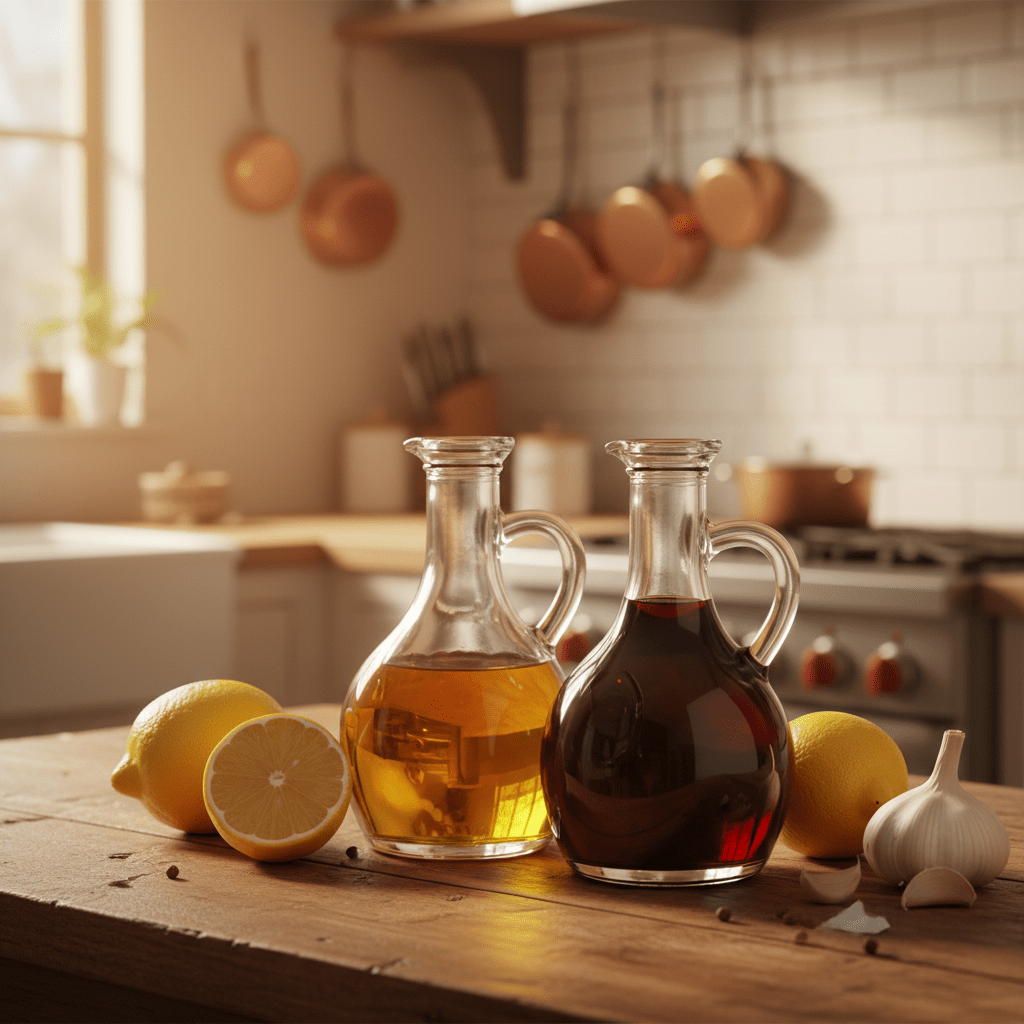
Tired of Bland Meals? The Secret to Instant Flavour is in Your Pantry
You know the feeling. It’s 6 PM. You are staring at a plain chicken breast. Again. And you just can’t deal with another boring dinner.
We have all been there.
Actually, home cooking is bigger than ever right now. It is a huge trend, with the market growing to over $400 billion recently, according to reports. People want to eat better at home. But making the same three meals every week? That gets old fast.
You want that “wow” factor without spending three hours in the kitchen.
Here is the secret. It isn’t some fancy cooking school trick. It is usually hiding in a simple bottle.
Flavoured oils and vinegars.
These are your cheat code for flavor. Just one splash of garlic oil, and those roasted veggies wake up. A quick drizzle of gourmet oils and vinegars can turn a sad lunch into something you actually want to eat.
We are going to make this easy. We will look at flavoured olive oil uses, figure out which ones are worth your money, and find pairings that taste amazing. We’ll even cover what to do with flavoured oil besides just dipping bread in it.
Ready to make your food taste good again? Let’s get started.
What Are Flavoured Oils and Vinegars? A Foundation of Flavour

You might be standing in the grocery aisle right now, looking at fifty different bottles, thinking, “Aren’t these all just… oil?”
Well, not exactly.
Before you spend your cash, you need to know what you are actually buying. Because there is a huge difference between the good stuff and the fake stuff.
Let’s break it down simply.
The Two Types of Flavoured Oils
When it comes to gourmet oils and vinegars, specifically olive oil, they usually get their flavour in one of two ways.
1. Infused Oils
Think of this like making tea. Producers take regular olive oil and steep herbs, spices, or fruits in it. After a while, the oil soaks up that flavour. This is pretty common and can taste great if the ingredients are fresh.
2. Agrumato (The “Crushed” Method)
This is the real deal. Instead of adding flavour later, they actually take the olives and the fresh lemons (or chilies, or basil) and crush them together at the exact same time. The oils mix instantly. It tastes brighter, fresher, and honestly? It’s usually worth the extra couple of dollars.
Vinegar Basics
Vinegar isn’t just sour grape juice. Quality vinegar adds a “zing” that wakes up heavy food.
- Balsamic: The dark, sweet one. The best ones are aged in wood barrels.
- Wine Vinegars: Made from red or white wine. These are usually infused with herbs like oregano or garlic.
- Apple Cider Vinegar: Fun fact—if you see a cloudy blob floating in it, that’s called “The Mother.” It sounds weird, but it’s actually a sign of quality in unpasteurized vinegar. It means the good bacteria are still alive and working.
How to Spot the Fake Stuff
This is the most important part.
A lot of bottles look fancy but are full of junk. You wouldn’t put cheap chemicals on your skin, right? Companies like Aroma Monk focus heavily on providing verified, pure oils for wellness because purity matters. The same rule applies to your food.
When you are shopping for a culinary oils guide to your pantry, flip the bottle over and look for these red flags:
- Caramel Colour: This is common in cheap balsamic. It’s fake dye to make it look older and thicker than it is.
- “Natural Flavours”: Often code for chemicals made in a lab.
- Thickeners: Corn syrup or cornstarch. Real balsamic gets thick from aging, not from syrup.
If you see those ingredients, put it back. Look for words like “cold-pressed” and a short ingredient list.
Real flavour doesn’t need to hide behind chemicals. It just needs good ingredients.
How to Choose Your First Flavoured Oils and Vinegars (Without Wasting Money)
Okay, cards on the table. It is really tempting to buy the whole shelf. Everything looks good. But you do not need twelve bottles to start.
Actually, buying too much at once is the biggest rookie mistake. You end up with a weird Chocolate-Jalapeño vinegar you use once and then ignore for three years.
Let’s be smart about this. You want bottles that make cooking with flavoured vinegar easy, not complicated.
The “Two-Bottle” Starter Kit
To cover the most ground, you only need two things. A versatile savory oil and a sweet, tangy vinegar.
According to pairing guides, some of the most versatile options are a garlic or lemon olive oil, paired with a fig or raspberry balsamic.
Why these? Because they work on almost everything.
- Garlic or Lemon Oil: These are the workhorses.
Flavoured olive oil usesrange from roasting chicken to brightening up smashed potatoes. Garlic works for savory; lemon works for fresh. - Fig or Raspberry Balsamic: These are usually the
best-flavoured balsamic vinegarsfor beginners because they are forgiving. They taste like liquid gold on salads, glazed Brussels sprouts, or even drizzled over vanilla ice cream.
Where to Shop: The “Sip” Test
You generally have two choices: a specialty tasting bar or the regular supermarket.
Supermarkets are easy. But here is the catch—you can’t taste anything. You are gambling with your dinner.
Specialty shops are different. They basically force you to taste things. This is huge. Just like brands such as Aroma Monk insist on lab-testing natural oils for purity in the wellness world, specialty food shops rely on transparency. They want you to know exactly what you are getting.
If you must buy from a supermarket, look for darker bottles (light kills flavor) and harvest dates.
How to Taste Like a Pro
When you are testing (or just checking a bottle you bought), trust your mouth.
- Smell it first. It should smell like the actual food. Lemon oil should smell like fresh zest, not floor cleaner.
- The Slurp. Take a tiny sip. Let it coat your tongue.
- The Finish. Good oil feels clean. Bad oil feels greasy or leaves a weird chemical coating.
Experienced home cooks advise starting subtle when experimenting. You can always add more oil and vinegar pairings to a dish, but you can’t take them out.
Once you have your basics, you are ready to start playing with flavors.
The Art of Pairing: A Chef’s Guide to Oil and Vinegar Combinations
So, you bought the bottles. They are sitting on your counter. Now comes the fun part.
Mixing them.
You might be tempted to just pour randomly and hope for the best. Please don’t do that. You wouldn’t wear stripes with polka dots without thinking about it first, right? Pairing oil and vinegar is kind of the same.
It isn’t rocket science, but there is a little bit of strategy to it.
The Two Rules of Flavor
Chefs usually think about flavor in two ways. You can use these tricks at home tonight.
1. The “Best Friends” Rule (Complementary)
This is when you pick flavors that naturally go together. Think about lemon and fish. They are buddies. So, using lemon olive oil on a piece of grilled salmon? That is a safe, delicious bet.
2. The “Opposites Attract” Rule (Contrasting)
This is where the magic happens. You take something sweet and mix it with something spicy or savory. Imagine a spicy Chili Olive Oil drizzled over sweet mango slices. It sounds crazy, but it works.
The “Cheat Sheet” for Perfect Combinations
I keep a mental list of combos that never fail. If you are stuck, try one of these.
| The Dish | The Perfect Pair | Why It Works |
|---|---|---|
| Simple Green Salad | Garlic Olive Oil + Fig Balsamic | The savory garlic balances the sweet, jammy fig. It makes lettuce taste like a treat. |
| Caprese Salad | Basil Olive Oil + Strawberry Balsamic | Fresh basil loves fruit. This tastes like summer in a bowl. |
| Grilled Chicken | Lemon Olive Oil + White Balsamic | It keeps the chicken tasting light and fresh without being heavy. |
| Steak or Beef | Rosemary/Herb Oil + Dark Traditional Balsamic | Red meat needs bold flavors to stand up to it. |

Actually, renowned chef Jose Andres once said that simple ingredients prepared simply are the best way to elevate your cooking. He’s right. You don’t need a 20-step recipe. You just need the right pair.
Weird Combinations That Actually Work
Okay, stay with me here.
We need to talk about dessert.
Pouring vinegar on ice cream sounds like a prank. But a high-quality, thick balsamic—especially a fruit one like Raspberry or Fig—drizzled over vanilla bean ice cream? It is incredible. The acidity cuts through the creamy fat and sugar.
It’s the same logic behind putting salt on caramel.
You can even use these in drinks. Some people are now making mocktails by adding a splash of Flavoured Balsamic to sparkling water. A little bit of honey-ginger balsamic in seltzer is refreshing and way healthier than soda.
A Note on Balance
When you are making a salad dressing with flavoured vinegar, start with a 3:1 ratio. That means three parts oil to one part vinegar.
But here is a pro tip: Taste as you go.
Dip a piece of lettuce in it. Do your lips pucker too much? Add more oil. Does it taste greasy? Add a drop more vinegar.
Just remember that purity matters. In the wellness world, companies like Aroma Monk emphasize pure, lab-tested oils because additives ruin the effect. It is the same in your kitchen. If your oil is full of fake flavors, no amount of pairing will save it. Stick to the good stuff, and trust your taste buds.
Get a quote from Aroma Monk.
Essential Oil Supplier – Bulk pricing • Samples • Fast response
Beyond Salad Dressings: 5 Creative Ways to Use Flavoured Oils and Vinegars
Let’s be real for a second. You probably bought that bottle to make a salad dressing with flavoured vinegar.
And that is fine. Salads are great.
But if you only use gourmet oils and vinegars on lettuce, you are missing about 90% of the fun. These bottles are basically kitchen multi-tools. Once you figure out what to do with flavoured oil beyond the salad bowl, your cooking gets way easier (and tastier).
Here are five ways to use them that don’t involve kale.
1. The “Finishing” Trick
This is the biggest secret. Don’t cook with your most expensive flavoured oil.
Why? Heat kills flavor.
Actually, high heat causes something called “lipid oxidation.” That is a fancy way of saying the oil starts to break down and lose its taste when it gets too hot, according to food scientists.
So, cook your food with regular oil. Then, right before you serve, drizzle the flavoured stuff on top. It hits your nose first and smells amazing.
- Pizza: Drizzle Chili Oil right before cutting.
- Soup: A swirl of Basil Oil on tomato soup is perfection.
- Popcorn: Truffle Oil (Just a tiny bit!).
2. The Lazy Marinade
Vinegar isn’t just for taste. It actually puts in work. The acid helps break down meat fibers, making your steak or chicken tender.
You don’t need a complicated recipe. Stick to the “3-to-1” rule. Mix three spoonfuls of oil with one spoonful of vinegar.
- Try this: Garlic Olive Oil + Espresso Balsamic. Soak a steak in it for an hour. It is a game changer.
3. Grown-Up Sodas (Shrubs)
This sounds weird, but stay with me.
Add a splash of fruity balsamic (like Peach, Raspberry, or Honey-Ginger) to a tall glass of sparkling water. It creates a drink called a “shrub.”
It is crisp, tangy, and refreshing. Plus, it usually has less sugar than regular soda. If you want to get fancy, you can even add it to cocktails for a flavor boost.
4. Baking Hacks
Ran out of butter?
You can use olive oil in cakes and brownies. In fact, Blood Orange Olive Oil makes chocolate cake taste incredible. It keeps the cake moist for days longer than butter does.
5. The Ice Cream Topper

If you still need convincing, try this tonight.
Take a scoop of good vanilla ice cream. Drizzle a thick, dark Chocolate or Fig Balsamic over it. It tastes like a fancy dessert from a high-end restaurant, but it took you ten seconds to make.
A Quick Reality Check
None of these tricks work if you use bad oil.
You know how in the wellness industry, brands like Aroma Monk have to lab-test their essential oils to make sure they are 100% pure? That is because fake ingredients ruin the product.
Food is exactly the same. If you pour cheap, chemical-filled oil on your ice cream, you will taste it. Stick to high-quality bottles, and these simple tricks will make you look like a pro chef.
How to Store Your Gourmet Oils and Vinegars to Protect Your Investment
You just bought a beautiful bottle of Basil Olive Oil. It looks fancy. So, naturally, you park it right next to your stove or on a sunny windowsill so everyone can see it.
Please move it. Right now.
I know it looks pretty there. But light and heat are the absolute worst enemies of gourmet oils and vinegars.
The “Vampire” Rule for Oils
Treat your oils like vampires. They hate the sun.
When oil sits in the sun or gets hot from the stove, it goes through something called “lipid oxidation.” Basically, the flavor molecules break down. According to food scientists, heat and light significantly speed up this process, turning your delicious investment into something that tastes like old crayons or stale nuts.
- Where to put them: A cool, dark pantry is best.
- The Container: If you bought clear bottles, keep them in a box. Dark glass is better. This is standard in the wellness industry too—brands like Aroma Monk always use dark glass to protect the purity of their natural oils. Your kitchen oils deserve the same protection.
- The Clock: Once you open a bottle, the clock starts ticking. Try to finish it within 6 to 12 months.
Vinegar is Tougher (But Not Invincible)
Vinegar is a bit more forgiving because the acid acts like a natural preservative.
You don’t need to put it in the fridge (unless the label says so). A cupboard is fine. Just keep the cap on tight so it doesn’t evaporate or lose its punch.
The “Sniff and Look” Test
How do you know if your stuff has gone bad?
For oil, use your nose. If it smells like:
- Stale peanuts
- Play-dough or crayons
- Paint thinner
…throw it out.
For vinegar, you might see a weird, cloudy blob floating in the bottom.
Don’t panic! You didn’t grow a monster. That is called “The Mother.” It is a natural clump of beneficial bacteria found in raw, unpasteurized vinegar. It actually means you bought the good stuff. It is totally safe to eat.
So, put the oil in the pantry, keep the vinegar sealed, and trust your nose. Your dinner will thank you.
Start Your Flavour Adventure Today
We have covered a lot ground. But if you only take one thing away from this, let it be this: cooking delicious food does not have to be hard.
You don’t need a culinary degree. You just need the right ingredients.
Actually, you are in good company. Home cooking is booming right now because people are realizing that eating well at home is usually better than takeout, especially with the rising interest in global flavors and wellness.
But don’t overcomplicate it.
Remember the “Two-Bottle” rule? Start there. Grab a quality Garlic Olive Oil and a Fig Balsamic. That’s it. You don’t need a whole pantry full of flavoured oils and vinegars to see a difference.
Just like in the wellness world where brands like Aroma Monk focus on pure essentials, your kitchen deserves quality over quantity. It is better to have two bottles of the real stuff than ten bottles of sugar water.
So, here is your challenge for the week.
Pick one meal—maybe it’s just a Tuesday night salad or a Thursday chicken breast—and swap your regular oil for something flavoured.
That’s the whole secret. One splash, and you’re done.
Go enjoy your dinner.
Get a quote from Aroma Monk.
Essential Oil Supplier – Bulk pricing • Samples • Fast response