
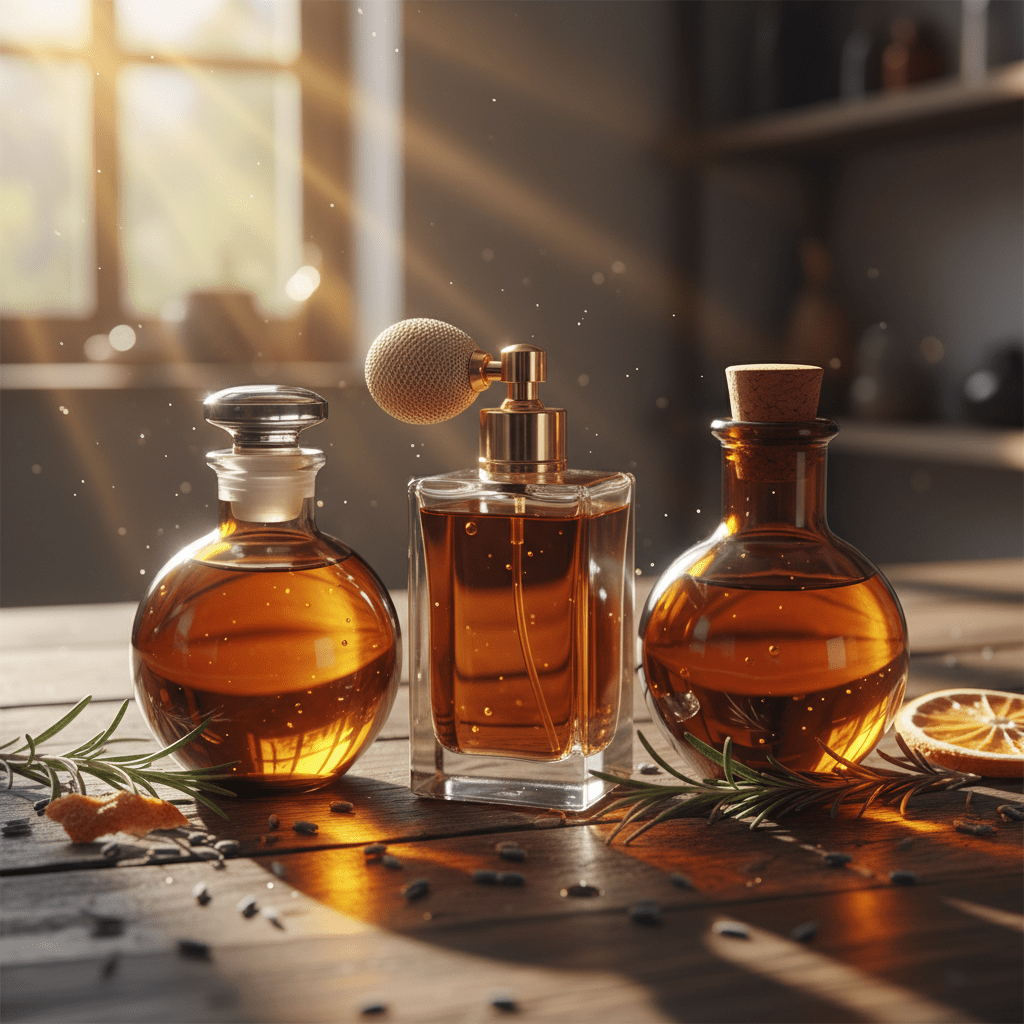
Unlock the Lasting Power of Your DIY Perfumes
You know that feeling when you first crack open a new essential oil perfume kit? It’s pretty exciting. You mix a few drops—maybe something citrusy or floral—and suddenly you’ve made something that smells amazing. It’s chemical-free and totally yours.
But here’s the hard truth nobody tells you right away.
That beautiful scent isn’t built to last forever. Unlike the synthetic stuff at the mall, natural perfume making relies on ingredients that are fragile. Actually, experts remind us that things like light, heat, and oxygen are basically the enemies of essential oils Tisserand Institute. These elements can turn your masterpiece into something… well, weird smelling. And fast.
It makes sense why we want to protect these blends. The market for natural fragrances is huge right now, expected to keep growing rapidly as more of us choose clean beauty Natural Perfume Market. That means the ingredients in your kit are valuable.
So, it’s frustrating to pour time (and money) into a blend only to have it fade or spoil in a few weeks.
Don’t worry, we can fix this. We’ve put together 9 practical ways to handle DIY perfume storage and extend your essential oil perfume shelf life. Let’s make sure every drop stays as potent as the day you mixed it.
1. Choose Your Containers Wisely: The Power of Dark Glass
First, let’s talk about those pretty clear bottles you see on social media.
They look great in photos, but they are actually terrible for your DIY perfume storage.
Here’s the thing. Light is sort of like kryptonite to essential oils. UV rays mess with the chemical makeup of your blend, breaking it down way faster than you’d expect. That’s why your essential oil perfume kit usually comes with dark glass bottles. It’s not just for looks—it’s protection.
Think of dark glass as high-quality sunglasses for your perfume.

Amber glass is the industry standard for a reason. It blocks out a huge chunk of harmful UV light Nature’s Sunshine. You might also see cobalt blue bottles. They look cool, and I admit I love the color, but amber actually works better for blocking those damaging rays.
If you want to get really fancy, look for violet glass (often called MIRON). It acts like a smart filter, blocking the bad light while letting in violet light that helps preserve the energy of the plant.
Now, a big warning about plastic.
Just don’t do it.
Essential oils are powerful solvents. They can actually eat through plastic containers over time, especially if you’re using citrus oils like lemon or grapefruit. This leaches nasty chemicals into your perfume and ruins that fresh scent you worked so hard on.
When you’re picking parts for your kit, pay attention to the little details too. For example, if you love rollerballs, go for stainless steel balls instead of plastic ones. Steel won’t react with your oils, and honestly, it just feels way nicer on your skin.
If you’re sourcing high-quality ingredients—like the pure oils we see from suppliers like Aroma Monk—you want to make sure your container keeps them safe. Stick to dark glass, avoid plastic, and your custom scent will stay fresh much longer.
2. Avoid the Enemies: Sunlight and Heat
So, you’ve got your fancy amber bottle. That’s a great start.
But if you leave that bottle on a sunny windowsill because it looks “aesthetic,” we have a problem.
Heat and direct sunlight are basically fast-forward buttons for spoilage. When essential oils get hot, the molecules inside start moving way too fast. This kicks off a process called oxidation, which changes the chemical makeup of your scent.
It’s usually those fresh top notes—like the bright Lemon or Sweet Orange you carefully measured out—that die first. Instead of smelling crisp, they start smelling flat, dusty, or just… off.
Let’s look at the worst places for DIY perfume storage:
- The Bathroom Counter: I know, it feels convenient to keep perfume where you get ready. But the steam from your hot showers creates temperature swings that ruin delicate oils.
- The Car: Leaving a blend in the glove compartment? That’s basically baking your perfume in an oven.
- Windowsills: Even in amber glass, direct sun heats the liquid inside.
Here makes a spot safe: it needs to be cool and stable.
Experts agree that keeping your collection below 72°F (22°C) is ideal Tisserand Institute. If you live in a really hot climate, putting citrus blends in the fridge isn’t a crazy idea.
Ideally, stash your creations in a dedicated wooden box or a dark closet shelf.
When you’re buying premium, lab-tested ingredients—like the pure oils from Aroma Monk—you want them to last. Keeping them cool is the easiest way to protect that investment.
3. Minimize Air Exposure: Seal Tightly to Prevent Oxidation
Think about what happens when you slice an apple and leave it on the counter for an hour. It turns brown and mushy pretty fast, right?
That is exactly what happens to your perfume when air gets to it.
This process is called oxidation. Basically, oxygen attacks the ingredients in your essential oil perfume kit. It steals the sparkle from your scent, making it smell flat or dusty. In bad cases, your beautiful liquid might turn cloudy, thick, or even sticky.
The natural fragrance world is growing fast because we all want cleaner products Fortune Business Insights. But since we aren’t using heavy synthetic preservatives, we have to be smarter about air.
Here is the sneaky part that catches people off guard: “Headspace.”
As you use up your perfume, the liquid level goes down. That empty space inside the bottle fills up with air. So, the more perfume you use, the more oxygen is sitting inside the bottle reacting with what’s left.
It’s kind of a trap.
But you can beat it with two easy moves:
- Cap it quick. Never leave the bottle open while you’re applying it or enjoying the smell. Cap it immediately.
- Downsize. If you have a big bottle that’s only half full, pour that juice into a smaller bottle. Less empty space means less air, which keeps your blend smelling like it should.
This is extra important for citrus oils like Bergamot or Grapefruit. They oxidize super fast, so keep that air out!
4. Select a Stable Carrier Oil for a Longer Perfume Shelf Life
Okay, let’s look inside the bottle.
Most of the liquid in your essential oil perfume kit isn’t actually the essential oil. It’s the carrier oil. This is the base that dilutes the strong stuff so it’s safe for your skin.
But here is a secret that ruins a lot of batches: not all carrier oils are built for the long haul.
I learned this the hard way. I once made a stunning Jasmine blend using Grapeseed oil. It smelled heavenly for about four months. Then, seemingly overnight, it started smelling like old crayons.
That’s the smell of rancidity.
If you want your natural perfume making to result in something you can keep for a year or more, you have to pick a base that doesn’t go bad quickly. Some oils, like Sweet Almond or Grapeseed, have a short shelf life—usually just 6 to 12 months. They are great for a quick massage oil, but for a perfume you want to treasure? They are risky.
So, what should you use?
My top pick is usually Jojoba Oil.

Here connects a cool fun fact: Jojoba isn’t technically an oil. It’s a liquid wax. Because it doesn’t have the same structure as regular vegetable oils, it is incredibly stable. It basically refuses to oxidize. It can last 5 years or more without going bad, which is exactly what we want for preserving essential oil blends.
Another solid winner is Fractionated Coconut Oil (FCO).
Unlike the regular coconut stuff you use for cooking (which gets hard in the winter), FCO stays liquid. It has almost no scent of its own, so it won’t fight with your fancy Rose or Sandalwood notes. Plus, it has a super long shelf life.
When we look at suppliers like Aroma Monk, who focus on 100% pure ingredients for businesses, the goal is always stability. If you are sourcing ingredients for your own kit or a small business, starting with a stable base like Jojoba or FCO protects your investment.
Think of the carrier oil as the foundation of a house. If you build on something that cracks in six months, it doesn’t matter how beautiful the house is.
Get a quote from Aroma Monk.
Essential Oil Supplier – Bulk pricing • Samples • Fast response
5. Add a Natural Preservative for an Antioxidant Boost
Okay, let’s clear up a common myth.
You might have heard that because your essential oil perfume kit doesn’t use water, you don’t need preservatives. And technically, that is true. You don’t need the heavy-duty stuff that kills bacteria because bacteria need water to grow.
But remember that oxidation monster we talked about? You definitely need armor against that.
Think of antioxidants as a shield for your scent. They sacrifice themselves to the oxygen so your precious Jasmine and Sandalwood oils don’t have to.
The gold standard here is Vitamin E Oil (Tocopherol).
It is thick, easy to find, and works wonders for preserving essential oil blends. Plus, it is great for your skin. For a standard 10ml roller bottle, you don’t need much. Just 0.5% to 1% of your total recipe is plenty.
In plain English? That is about 2 to 3 drops per roller bottle.
Just make sure you are buying “T-50” or mixed tocopherols. The clear synthetic acetate stuff found in pharmacy vitamin capsules isn’t the same and won’t protect your oils.
What about other options?
You might see people using Rosemary Antioxidant (ROE) or Grapefruit Seed Extract. ROE is actually super powerful, but here is the catch—it smells like rosemary. If you are making a delicate floral perfume, that herbal scent might clash. Vitamin E is safer because it has almost no smell.
When you invest in bulk reliable ingredients from suppliers like Aroma Monk, adding those two tiny drops of Vitamin E ensures your final product stays fresh and professional for way longer.
6. Label Everything: Date and Ingredients
Here is a mistake I make way too often.
I mix up a new batch, tell myself “I’ll totally remember this recipe,” and then… blank.
Six months later, I have a bottle of mystery liquid. I don’t know if it’s that amazing Oud blend I made in January or a failed experiment from last summer.
Labeling isn’t just about organization. It is actually a key part of preserving essential oil blends.
Since different oils age differently—remember those fleeting top notes?—you need to know exactly when the clock started ticking. If you don’t know the birthday of your perfume, you won’t know when it’s expired. Generally, you want to use up your DIY scents within 6 to 12 months for the best smell.
So, grab a sharpie or print a label. But wait.
Don’t use regular paper labels.
Essential oils are messy. One drip will turn a paper label into a greasy, unreadable smudge. You want to look for “Weatherproof Polyester” or BOPP labels. These are resistant to oil and water, so your writing stays clear.
If you want that professional look, the current trend is “apothecary minimalist.” Think clean white labels with simple black text. It looks super high-end.
On the label, write two things:
- The Date: So you know exactly how old it is.
- The Ingredients: Especially the top notes like Grapefruit or Lime.
Also, keep a log.
You can use a simple notebook, or if you love tech, try an app like ‘Vials’ to track your homemade perfume recipes.
If you are leveling up and buying bulk supplies—like the professional-grade attars or pure oils from Aroma Monk—treat your workspace like a real lab. Tracking your batches means you can recreate that perfect scent again and again without guessing.
7. Store Bottles Upright, Especially Rollerballs
You know that satisfying clink when you toss your favorite rollerball into a makeup bag or a messy drawer? It feels convenient.
But honestly? It’s a recipe for disaster.
Here is the mechanical problem most people miss. Even if the roller bottles in your essential oil perfume kit came with stainless steel balls—which is the better option—the little housing that holds that ball in place is almost always made of plastic.
And remember what we said about essential oils? They are powerful solvents.
If you store your bottle on its side or upside down, that potent liquid is constantly touching the plastic housing and the rubber seal. Over time, strong oils (especially citrus ones like Lemon or Grapefruit) can actually eat away at that plastic.
Once that seal degrades, two bad things happen:
- The Leak: You open your drawer to find a greasy, expensive mess.
- The Air: If oil can get out, air can get in. And we know air treats your scent like an enemy.
The fix is super simple. Keep them standing tall.
I personally use a wooden box with dividers. It looks neat on the shelf, keeps the light out, and ensures every bottle stays perfectly vertical. If you want something cheaper, those clear acrylic lipstick organizers actually work perfectly for standard 10ml roller bottles.

When you are working with professional-grade ingredients—like the pure oils from Aroma Monk—you don’t want to lose half your batch to a leaky seal. Keep them upright, and they will stay safe.
8. Make Small, Fresh Batches
You might be tempted to fill a giant 30ml spray bottle with your new signature scent. It feels professional, right?
Actually, pause for a second.
One of the smartest ways to handle DIY perfume storage is to ignore those big bottles. Since we know natural blends are sort of like fresh food, they have a shelf life. Most experts suggest using your creation within 6 to 12 months for the best smell.
If you make a huge batch, you probably won’t finish it before the top notes start to fade.
Instead, stick to small 5ml or 10ml vials. There are two big wins here:
- Freshness: You finish the bottle while it still smells amazing.
- Freedom: You aren’t stuck with the same scent for two years. You can switch up your homemade perfume recipes every season.
Think about it. If you are buying premium ingredients—like the pure absolutes from Aroma Monk—you want to enjoy every drop. Making smaller batches means less waste and more fun experimenting. If a recipe doesn’t work out? No big deal. You only used a tiny bit of your supply.
9. Don’t Rush the ‘Maturation’ Magic
You just mixed your perfume. You want to wear it right now.
I get it. But pause.
There is a huge difference between your perfume going bad (spoilage) and your perfume growing up (maturation).
Think of it like making a big pot of chili or lasagna. It always tastes better the next day, right? The flavors need time to mingle and settle down. Your essential oil perfume kit works the same way.
When you first mix those drops, they are essentially strangers in a bottle. They need time to bond chemically. This process softens the harsh edges of your top notes and helps the deep base notes create a rich, unified scent.
Here is the simple rule I follow:
- The Wait: After mixing, cap your bottle tight.
- The Hide: Put it in your cool, dark spot for at least 1 to 2 weeks.
- The Shake: Give it a gentle shake once a day.
That’s it.
During this time, the scent might change a lot. A blend that smelled too sharp on day one might be smooth and creamy by day seven. While storage is about keeping the bad stuff out (like UV rays), maturation is about letting the good stuff happen inside.
Time to Get Mixing
Handling DIY perfume storage doesn’t have to be a headache. It’s really just about respecting the ingredients.
If you are sourcing incredible raw materials—like the pure, lab-tested oils we see from Aroma Monk—you are working with living ingredients. They react to the world around them.
By swapping clear bottles for amber ones, keeping them cool, and watching out for that sneaky oxygen, you protect the soul of your scent.
So go ahead. Crack open that kit. Mix something wild. And now that you know how to protect it, you can enjoy that custom fragrance for months to come.
Enjoy Your Handcrafted Perfumes for Years to Come
Here is the beauty of natural perfume making. It isn’t just about mixing liquids and hoping for the best. It is about patience.
By now, you probably realize that your essential oil perfume kit is more than just a box of smells. It’s a real investment. Whether you are blending for fun or sourcing professional-grade oils from Aroma Monk for a business, those ingredients are valuable.
It might seem like a lot to remember—blocking UV light, watching the temperature, and fighting off oxygen.
But honestly? It becomes second nature pretty fast.
Just stick to the basics. Dark glass. Cool spots. Tight caps.
If you mess up a batch? It happens to the best of us. But when you get it right, the result is what enthusiasts call “living art” that evolves uniquely on your skin. The scent you create today might smell even better next month if you treat it well.
So, don’t be afraid to experiment with your homemade perfume recipes.
Go mix that signature scent. fill those amber vials. With these tricks up your sleeve, you can be sure your creation stays fresh, potent, and totally yours for a long time.
Get a quote from Aroma Monk.
Essential Oil Supplier – Bulk pricing • Samples • Fast response