
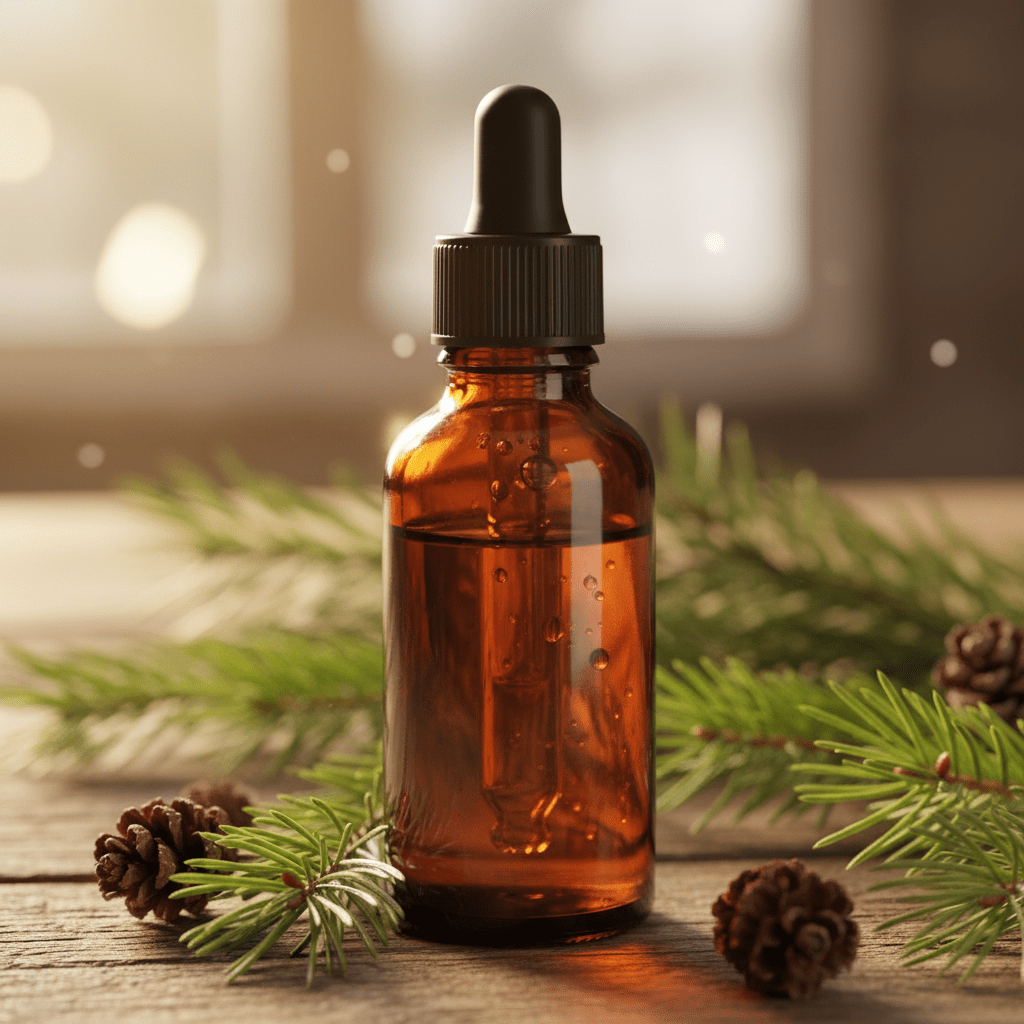
The Ultimate Guide to Natural Disinfectants: Is Pine Oil Your Best Bet?
Ever hold your breath while scrubbing the shower? I know I have. That sharp chemical smell hits you, and suddenly you’re wondering if “clean” has to mean “toxic.”
It’s a tough spot to be in. We all want a home that is safe for our kids and pets. But we also need something that actually works. Nobody wants to wipe down a counter with weak sauce that leaves germs behind.
You aren’t alone in this struggle. Actually, millions of families are ditching the harsh stuff. The market for natural household cleaners is booming and is expected to reach nearly $8 billion by 2025. Why? Because people are tired of worrying about what’s in their spray bottles.
This brings us to pine oil.
You probably know the smell. It’s clean, woodsy, and fresh. But pine oil disinfectant is more than just a nice scent. It’s a traditional powerhouse that has been used for ages. It’s tough on grime and comes straight from nature.
But is it the best option?
There are plenty of other natural disinfectants fighting for spot #1 in your cleaning cabinet. Maybe you swear by vinegar. Or perhaps you’ve heard good things about hydrogen peroxide, tea tree oil, or thymol.
So, let’s figure this out together. We are going to compare pine oil against these top contenders. We will look at what kills germs, what’s safe, and what makes the most sense for your DIY cleaning solutions. By the end, you’ll know exactly which plant-based cleaners deserve a spot in your home.
1. The Powerhouse: Pine Oil Disinfectant

Let’s talk about the heavy hitter first. If you grew up in a house where Saturday morning meant chores, you know the smell of pine oil. It’s that sharp, woodsy scent that basically screams, “I just cleaned this floor!”
But pine oil is way more than just a nostalgic smell.
It comes from the needles, twigs, and cones of pine trees. The secret ingredient here is a compound called pinene. That’s the natural chemical that gives pine oil its germ-fighting superpowers.
Does it Actually Kill Germs?
Short answer: Yes.
Research shows that pine oil is effective against some pretty nasty bugs. We’re talking about E. coli, Salmonella, and even Listeria. Because of this, you will actually find pine oil as a registered active ingredient in official EPA disinfectants. It’s not just a perfume; it’s a functional cleaner.
Plus, it is a beast when it comes to grease. If you have a sticky mess on the kitchen floor or grime in the garage, pine oil disinfectant cuts right through it.
The Catch (And It’s a Big One)
Before you run out and buy a gallon, there are a few things you need to know.
First, check the label. A lot of cleaners in the store say “Pine Scent” but contain zero actual pine oil. Those are just green soap. To get the antibacterial benefits, you need the real deal—pure essential oil or a product that specifically lists pine oil as an active ingredient. (If you are making your own DIY cleaning solutions, sourcing high-quality, pure oil from a place like Aroma Monk matters).
Second, it can be harsh. If you get it on your skin undiluted, it might irritate you. Gloves are your friend here.
Finally—and this is crucial—do you have a cat?
If the answer is yes, pine oil is likely a no-go. The compounds in pine oil (phenols and terpenes) are toxic to cats. Their bodies just can’t process them. Even walking on a floor cleaned with pine oil and then licking their paws can make a cat very sick.
So, if you live in a cat-free home and need to cut serious grease? Pine oil is a champion. But if you have furry friends, we need to look at the other contenders.
2. The Kitchen Staple: White Vinegar (Acetic Acid)

You almost certainly have a bottle of this in your pantry right now. White vinegar is the absolute darling of the DIY cleaning solutions crowd. And why wouldn’t it be? It is usually priced around 4 cents an ounce. That is practically free compared to fancy store-bought cleaners.
But does it actually clean, or does it just make your house smell like a salad?
The secret sauce here is acetic acid. Standard white vinegar is about 5% acid. When you spray this on a counter, you create an environment that makes it tough for germs to survive. It quite literally dissolves their defenses.
So, what can it kill?
It’s actually pretty decent against bacteria. Studies have shown that vinegar can knock out Salmonella and E. coli on food prep surfaces like cutting boards. If you are chopping veggies and want a quick wipe-down, it helps.
Where it fails
Here is the deal breaker for some people. Vinegar is not an EPA-registered disinfectant. Unlike pine oil or bleach, it doesn’t kill everything. It is practically useless against tough viruses like the flu. So if someone in your house is sick, vinegar isn’t going to stop the spread.
When to use it (and when not to)
It shines at removing hard water spots. Got a cloudy shower door? Vinegar fixes that in seconds. But you have to be careful. Because it is an acid, it will eat right through natural stone.
- Don’t use on: Granite, marble, or soapstone countertops. It etches them permanently.
- Don’t use on: Electronics or waxed wood floors.
Also, let’s be honest about the smell. It’s strong. If you love the cleaning power but hate smelling like a pickle, try adding a few drops of essential oil—maybe lemon or lavender—to your spray bottle. (Just make sure you get the pure stuff from a place like Aroma Monk so you aren’t spraying synthetic perfumes everywhere).
The Verdict: Great for daily maintenance and water stains, but not a heavy-hitter for disinfecting when sickness is on the line.
3. The Bleach Alternative: Hydrogen Peroxide
You know that dusty brown bottle sitting in the back of your medicine cabinet? The one you only grab when someone scrapes a knee?
Turns out, hydrogen peroxide is a cleaning superhero hiding in plain sight.
While we usually think of it as first aid, hydrogen peroxide is chemically very similar to water—it just has one extra oxygen molecule. That extra molecule makes it unstable in the best way possible. When it hits germs, it oxidizes them. Think of it as a microscopic explosion that destroys the cell walls of bacteria, viruses, and fungi.
Why It’s a Contender
If you want something that rivals bleach but doesn’t smell like a swimming pool, this is it.
It is incredibly effective. The CDC actually lists bacteria and viruses that hydrogen peroxide knocks out, including the rhinovirus (cause of the common cold) and even tough bugs like norovirus.
Plus, it is eco-friendly. Unlike harsh chemicals that linger for days, hydrogen peroxide eventually breaks down into just two things: water and oxygen. No weird residues. No toxic fumes.
The Rules of Engagement
Before you start spraying, there are a few rules regarding that little brown bottle.
- It Hates Light: Ever wonder why the bottle is dark brown? Hydrogen peroxide breaks down rapidly in sunlight. If you pour it into a clear spray bottle, it turns into plain old water pretty fast.
- Patience is Key: It isn’t instant. For it to really work against viruses, it usually needs to sit wet on the surface for about 6 to 10 minutes.
- Watch Your Fabrics: It is a mild bleach. If you spray it on your favorite dark t-shirt or a colorful rug, you might end up with an orange spot.
The Verdict: If you need to disinfect a bathroom or kitchen counter after raw meat prep, this beats vinegar by a mile. It’s safer than chlorine bleach but just as deadly to germs. Just keep it in the dark bottle.
Get a quote from Aroma Monk.
Essential Oil Supplier – Bulk pricing • Samples • Fast response
4. The Aromatic Defender: Tea Tree Oil (Melaleuca)
Next up is the little brown bottle that smells like a medicine cabinet.
Tea tree oil, or melaleuca, is an essential oil from Australia. If you have ever walked into a high-end spa or a health food store, you know the scent. It is spicy, earthy, and very strong.
But does it work for cleaning?
Actually, yes. It works quite well. The secret ingredient here is something called terpinen-4-ol. It sounds fancy, but it just means this oil is naturally good at fighting bad stuff. It is famous for its antiseptic and antifungal properties.
The Mold Killer
While pine oil is great for grease, tea tree oil is your best friend in the bathroom. It is amazing at fighting mold and fungus.
If you have that gross pink or black slime showing up on your shower curtain, this is what you want.
Because it comes in tiny bottles, you usually don’t use it to wipe your whole floor. Instead, you add it to other cleaners to boost their power. A common recipe for DIY cleaning solutions is mixing about 10 drops of oil into 2 cups of water.
Since you are measuring in drops, quality matters. You want 100% pure oil—like the kind you get from Aroma Monk—so you know you are getting the real active ingredients, not just synthetic perfume.
The Good and The Bad
The Good:
- It tackles the funky stuff: Great for mildew and musty smells.
- A little goes a long way: You only need a teaspoon per gallon of water for general cleaning.
The Bad:
- The price: It costs way more than vinegar or bleach.
- The smell: You either love it or hate it. There is no middle ground.
Another Warning for Pet Owners:
We have to say it again. Like pine oil, tea tree oil is toxic to dogs and cats if they eat it or get it on their skin. Actually, it can be very dangerous. If you have curious pets that lick surfaces, you might want to skip this one or use it very carefully.
The Verdict: Keep a bottle on hand for bathroom mold and mildew, but it’s probably too expensive (and smelly) to use as your everyday kitchen spray.
5. The Commercial Champion: Thyme Oil (Thymol)
Okay, let’s look at the cleaning aisle in your grocery store. You know those “green” spray bottles that promise to kill 99.9% of germs? The ones that cost a dollar or two more than the blue stuff?
If you flip those bottles over, you will likely see one active ingredient listed: Thymol.
Thymol is a specialized compound found in thyme oil. Yes, the same herb you put in pasta sauce. But in high concentrations, it is a serious germ killer.
The Professional Choice
While pine oil is a legend for cleaning grime off floors, Thymol has become the superstar of modern natural disinfectants.
Big brands like Seventh Generation and CleanWell use it for a reason. It is one of the few plant-based ingredients that is practically a celebrity at the EPA. That means the government has actually verified that it works.
It doesn’t just clean; it disinfects. Studies show that commercial products with thymol can wipe out cold and flu viruses on hard surfaces, usually in about 10 minutes. Because of this reliability, the market for these natural cleaners is exploding. Experts think this industry will hit nearly $8 billion by 2025 as more of us look for safer options.
Why Use It?
The biggest plus here is safety. Since it is plant-based, thymol disinfectant breaks down quickly and doesn’t leave a harsh chemical residue behind. You usually don’t even have to rinse it off. This makes it a great choice for high-chair trays, toys, or kitchen counters.
It is also largely considered safer for the environment than traditional chemicals like bleach. It degrades rapidly, so it doesn’t linger in our water systems.
The Trade-Offs
So, why doesn’t everyone use it? Well, there are two catches.
- The Smell: It is strong. Really strong. Some people love it, but others think it smells like a very intense medicinal herb garden. It definitely lingers.
- The Cost: If you are mixing DIY cleaning solutions with vinegar or pine oil, you are paying pennies per bottle. Commercial thyme-based sprays are pricey.
While you can buy essential oils directly (and you should always look for guaranteed purity, like the oils from Aroma Monk), making a hospital-grade disinfectant at home with thyme oil is tricky because it doesn’t mix easily with water.
The Verdict: If you want a store-bought spray that is certified to kill viruses but is safer than bleach, this is your winner. Just make sure you are okay with the herbal scent.
At a Glance: Pine Oil vs. Other Natural Disinfectants

Phew. That was a lot of information, right? If your head is spinning a bit, don’t worry. I know mine was when I first started swapping out my cleaning cabinet.
The thing is, popularity doesn’t always equal performance. While the natural cleaning market is massive—we are talking about an industry worth nearly $7 billion globally—not every green bottle works the same way 1. Some are great for scrubbing dirt but terrible at killing flu bugs. Others are germ-killing machines but might hurt your cat.
So, to save you some time (and Googling), I made a “cheat sheet.” Here is how pine oil stacks up against the competition.
| Disinfectant | Kilss Viruses? (EPA/CDC) | Best For… | Safety Warning | Avg. Cost |
|---|---|---|---|---|
| Pine Oil | ❌ (Bacteria mostly) | Grease & floors (Garage/Kitchen) | ⚠️ Toxic to Cats | $$ (Moderate) |
| Vinegar | ❌ (No) | Water spots & daily wipe-downs | ⚠️ Etches stone counters | $ (Cheap) |
| Hydrogen Peroxide | ✅ (Yes) | Bathroom disinfection | ⚠️ Bleaches dark fabrics | $ (Cheap) |
| Tea Tree Oil | ❌ (Fungus/Mold focus) | Shower mildew & mold | ⚠️ Toxic to Pets | $$$ (Pricey) |
| Thymol (Thyme) | ✅ (Yes) | Killing viruses safely | ⚠️ Strong lingering smell | $$$ (Pricey) |
Which one wins?
It really depends on who lives in your house.
If you have cats, pine oil disinfectant and tea tree oil are honestly too risky. You are better off sticking with hydrogen peroxide or an EPA-registered thymol spray. But if you need to clean a greasy garage floor or a muddy entryway? Pine oil is unmatched.
Also, keep your budget in mind. Pre-made sprays are convenient, but mixing your own solution using high-quality essential oils—like the ones from Aroma Monk—tends to be way cheaper in the long run. Just make sure you label your homemade bottles so you don’t accidentally bleach your favorite shirt with the hydrogen peroxide!
The Verdict: Choosing the Right Natural Disinfectant for Your Home
Okay, let’s be real. That was a ton of info. If you feel like you need a chemistry degree just to wipe your kitchen counter, I get it.
Here is the honest truth: There is no single “magic bullet” cleaner.
The big chemical brands want us to think one spray bottle does it all. But in the world of plant-based cleaners, it’s really a team sport. To truly keep your home safe without the toxins, you need a “toolkit” approach.
Here is my recommendation for building your own non-toxic cleaning kit:
- For the heavy lifting: If you don’t have cats, get high-quality pine oil. It is unbeatable for mopping floors and cutting through garage grease. Just make sure you are getting 100% pure oil—like the kind from Aroma Monk—so you aren’t just paying for pine perfume.
- For actual sickness: When the flu hits your house, don’t rely on vinegar. Grab a thymol disinfectant or hydrogen peroxide. Remember, most natural disinfectants need to sit wet on the surface for about 10 minutes to really work.
- For the daily sparkle: Keep that cheap bottle of vinegar for cleaning mirrors and quick wipe-downs. It handles water spots better than almost anything else.
See? You don’t have to choose just one.
By mixing and matching these natural disinfectants, you get the best of both worlds. You get a house that smells amazing—actually amazing, not fake-lemon amazing—and you sleep better knowing you aren’t filling your air with junk.
So, go grab a couple of glass spray bottles. Order some pure essential oils. You might actually start looking forward to cleaning day. (Okay, maybe that’s a stretch, but it definitely won’t be a headache anymore!)
Get a quote from Aroma Monk.
Essential Oil Supplier – Bulk pricing • Samples • Fast response