
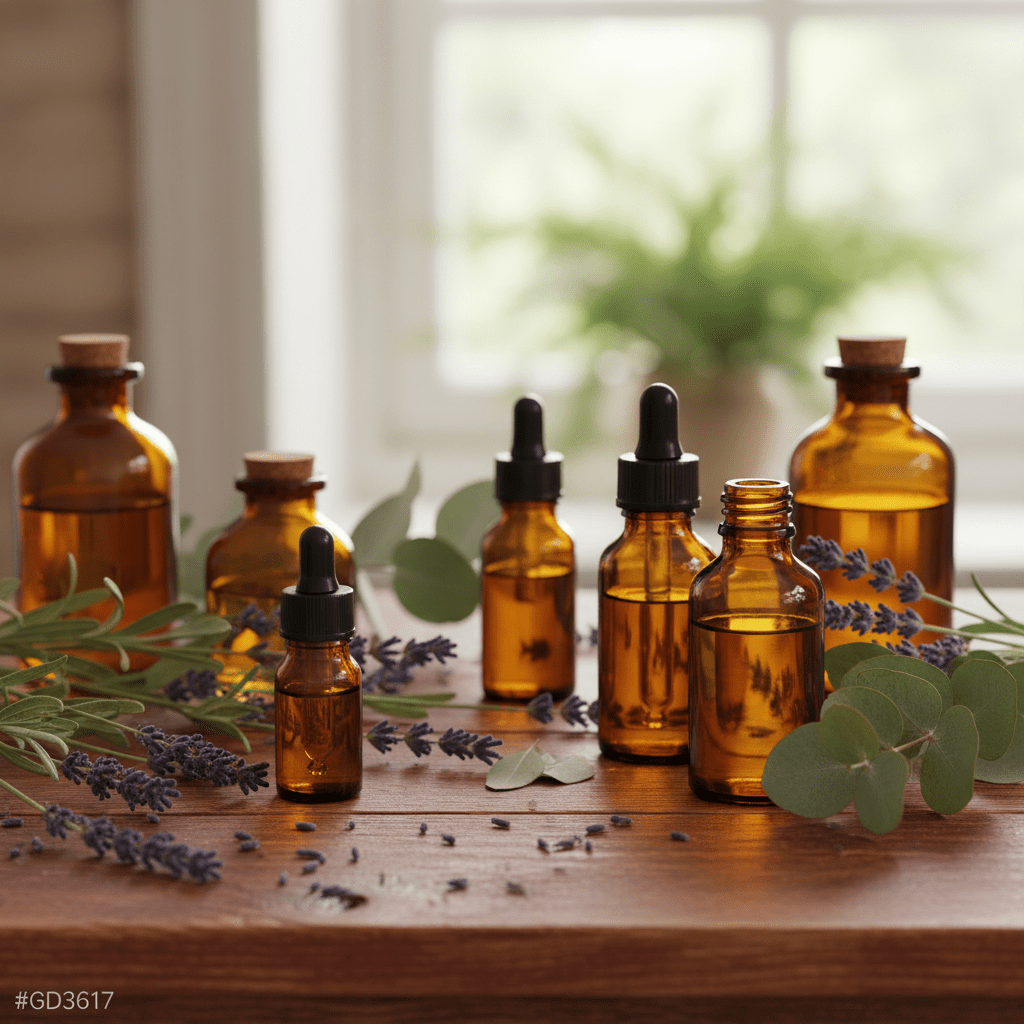
Why the Journey from Plant to Bottle Matters for Your Organic Essential Oils
Have you ever wondered what makes one bottle of lavender oil so different from another? It’s a big question, especially since so many of us are looking for natural ways to feel better. And you’re not alone! The global market for essential oils is booming, expected to hit over $56 billion by 2033 as more people seek out pure, simple wellness products.
But here’s the tricky part. With so many options out there, it’s hard to know if you’re getting the real deal. People are rightly concerned about oils being watered down, mixed with synthetics, or containing leftover pesticides. The truth is, the quality of an essential oil doesn’t just come from the plant it’s from. A huge part of its power, purity, and even its smell comes from how it’s made.
The essential oil extraction process is everything. As experts point out, “Choosing the appropriate extraction method is essential to preserve the oil’s bioactive properties and meet required quality standards,” according to Katherine Cuenca-León et al. Think of it like making coffee. The same beans can taste wildly different depending on whether you use a French press or an espresso machine. The same is true for making essential oils.
In this guide, we’ll walk through the journey from plant to bottle together. We’ll look at the different methods for making essential oils—from steam distillation to cold pressing. You’ll understand how each step affects the final product and why some pure essential oils cost more than others. Let’s get started.

The Foundation of Purity: What ‘Organic’ Really Means for Essential Oils
Okay, let’s talk about that word “organic.” We see it everywhere on labels, but what does it really mean when you see it on a bottle of essential oil? It’s not just a marketing buzzword. It’s a serious promise about the plant’s entire life story before it ever got to you.
When you spot the official USDA Organic seal, that’s a big deal. For an oil to earn that, the plants it came from must be at least 95% organically grown. This is huge! It means those plants were raised without synthetic pesticides, chemical fertilizers, or GMOs. It’s all about keeping things as close to nature as possible.
But things can get confusing with all the different terms out there. Here’s a quick guide to help you know what you’re looking at:
| Label Type | What It Means |
|---|---|
| Certified Organic | The plants grow on farms following super strict rules. No synthetic pesticides or fertilizers are allowed. Plus, the whole journey from farm to bottle is checked by an official group. |
| Wildcrafted | The plants grow on farms following super strict rules. No synthetic pesticides or fertilizers are allowed. Plus, the whole journey from farm to bottle is checked by an official group. |
| Conventional | This is standard farming. It can involve using synthetic pesticides and fertilizers to get bigger yields and fight off pests. |
Each path is different. But if you’re looking for a guarantee that your oil is free from farm chemicals, Certified Organic is your best bet. Why? Because a healthier, happier plant can put all its energy into creating a more complex and amazing essential oil. When a plant isn’t busy fighting off synthetic stuff, it can focus on making the good stuff—the very compounds that give the oil its scent and benefits.
This is also why that little seal is so important. As one source explains, for an oil to wear the USDA Organic label, every single step—from the farmer to the processor to the bottler has to be certified. This creates a clear trail of purity. For businesses creating their own cosmetic or wellness products, working with a supplier who manages this entire certified process is a game-changer. It removes all the worry about quality and ensures the final product is truly pure.
The Gold Standard: How Steam Distillation Unlocks Pure Plant Essences
So, how do we get that concentrated plant power into a tiny bottle? For many of the most popular organic essential oils, the answer is a method that’s been trusted for centuries: steam distillation.
If you’ve ever smelled fresh peppermint or soothing lavender oil, you’ve probably experienced the magic of this process. It’s the most common way essential oils are made, and there’s a good reason for it. It’s effective and clean.
Here’s a simple look at the essential oil extraction process:
- Load the Plants: Imagine a big, sealed container called a still. It’s packed with fresh plant material, like fragrant lavender flowers or eucalyptus leaves.
- Add the Steam: Hot steam is gently pushed up through all the plant material.
- Release the Oil: The heat and moisture from the steam cause the tiny pockets in the plant to burst open, releasing the essential oil as a vapor.
- Cool it Down: This hot, oily steam mixture travels through a cooling tube. As it cools, it turns back into a liquid.
- Separate the Good Stuff: The liquid flows into a special container. Since oil and water don’t mix, the pure essential oil naturally separates and floats right on top of the water. That top layer is collected, and voilà! You have your essential oil.

That fragrant water left behind? That’s called a hydrosol, like rose water. It’s a lovely product on its own!
This method is the go-to for tough herbs and flowers like Lavender, Peppermint, Tea Tree, and Eucalyptus. The main benefit of steam-distilled essential oils is unbeatable purity. Because the process only uses steam, there are no chemical solvents that could linger in the final product. This is a huge win for essential oil quality.
But there is a catch. The heat required can be too intense for very delicate flowers. Also, getting the temperature just right is a true art. For lavender, the process requires a careful balance, often using steam between 140°F and 212°F to get the best results. If the temperature isn’t perfect, the quality can suffer.
For businesses creating their own products, this is where a trustworthy supplier makes all the difference. When you work with a partner who understands the science behind distillation, you can be sure you’re getting an oil that was extracted correctly. It takes the guesswork out of sourcing pure, powerful ingredients for your brand.
Capturing Citrus Brilliance: The Art and Science of Cold-Pressing
You know that amazing smell when you peel an orange? That bright, zesty burst of fragrance? That’s the essential oil escaping from the rind. And there’s a special way to capture that exact scent in a bottle. It’s called cold-pressing.
Unlike steam distillation, this essential oil extraction process uses no heat at all. It’s a mechanical method, which sounds fancy, but it’s pretty simple. Think of it like this: the rinds of organic citrus fruits like lemon, bergamot, grapefruit, or wild orange are pricked and squeezed. This ruptures the tiny sacs holding the oil, and the liquid is collected. Easy, right? This process is sometimes called “expression.”

Because there’s no steam or heat, cold-pressed essential oils have a scent that’s incredibly vibrant and true to the fresh fruit. It’s the next best thing to peeling a lemon right under your nose. This is fantastic for essential oil quality, as the delicate aromatic molecules in these pure essential oils are kept intact.
But there are a couple of things to keep in mind. Since this method doesn’t use heat, the shelf life can be a bit shorter. The oil can break down faster. Also, some cold-pressed oils, like Bergamot, contain compounds that can make your skin super sensitive to the sun. It’s something to be aware of.
For product developers making a fresh-scented body lotion or an uplifting room spray, that bright, authentic citrus aroma is non-negotiable. It’s what makes the product feel energizing and clean. Working with a supplier who provides fresh, high-quality cold-pressed essential oils is crucial. It ensures your product has that zesty punch your customers are looking for, without you having to worry about sourcing or stability. It just takes the guesswork out of creating something amazing.
For Delicate Botanicals: Understanding Solvent and CO2 Extraction
But what happens with flowers so delicate they’d fall apart in hot steam? Think of precious jasmine or rose. You can’t blast them with high heat and expect to get that beautiful, complex scent. For these fragile botanicals, we need different methods for making essential oils.
For a long time, the answer was a process called solvent extraction. It’s a way to capture the aroma without any heat. First, the plant material is washed with a solvent, often something like hexane. This dissolves the aromatic compounds, waxes, and pigments, leaving behind a waxy, fragrant substance called a “concrete.” This concrete is then washed with alcohol, which pulls out just the aromatic molecules. Once the alcohol evaporates, you’re left with a highly concentrated, fragrant oil called an “absolute.”
The big worry here… and it’s a valid one… is what gets left behind. There’s always a concern that tiny amounts of the chemical solvent might remain in the final product. For anyone making a high-end face serum or a natural perfume, that’s a huge red flag for essential oil quality. It’s the main reason absolutes aren’t always considered pure essential oils in the same way as distilled or pressed oils are.
Enter modern science with a really cool solution: CO2 extraction. Sounds like something out of a sci-fi movie, right? But it’s real, and it’s one of the cleanest ways we know how are essential oils made today.
Here’s the simple breakdown:
- We start with carbon dioxide, the same stuff we breathe out.
- It’s put under super high pressure, which turns it into a “supercritical” state. It’s not quite a liquid and not quite a gas, but something in between that acts like a perfect, clean solvent.
- This supercritical CO2 is then passed through the plant material, where it picks up all the aromatic oils and other good stuff.
- Finally, the pressure is released. The CO2 instantly turns back into a gas and just… disappears. Poof! Gone.
The best part? It leaves behind absolutely zero residue. Nothing but the pure, untouched essence of the plant. This gives us some of the highest quality CO2 extracted essential oils you can find.
CO2 Select vs. CO2 Total: What’s the Difference?

But wait, it gets even cooler. This whole process is “tunable.” By changing the pressure of the CO2, experts can choose exactly which parts of the plant they want to extract. This gives us two main types of CO2 oils:
CO2 Selects: Made with lower pressure. This method gently pulls out the smaller, lighter aromatic molecules. The final oil is usually thin and clear, and its scent is very similar to a steam-distilled oil, but created without any damaging heat. Think of it as a crisp, high-definition photo of the plant’s aroma.
CO2 Totals: Made with higher pressure. This pulls out everything that the CO2 can dissolve—not just the aromatic oils, but also heavier waxes, resins, and color pigments. The result is a thicker oil that is incredibly complete and true to the original plant. It’s like having a 3D model of the plant’s full essence.
As experts point out, using advanced methods like CO2 extraction helps produce higher quality oils that capture a full spectrum of compounds, which can enhance their benefits.
For a business developing a new product line, this is amazing! You can choose a CO2 Select oil for a light, fresh perfume or a CO2 Total for a rich, therapeutic balm where you want the plant’s full power. When you’re creating a product line, you need a partner who understands these differences. A bulk supplier who can provide lab-tested CO2 extracts takes away all the worry about purity, making it easier to craft something truly special and effective for your customers.
A Look at Niche & Artisanal Methods: Maceration and Enfleurage
Besides the big, common extraction methods, there are a couple of old-school, artistic ways to capture a plant’s fragrance. You won’t see these used very often for commercial organic essential oils, but they are a fascinating part of the history of perfume. They are truly unique methods for making essential oils.
First, there’s a truly ancient technique called enfleurage. Picture this: delicate flower petals, like tuberose or jasmine, are carefully laid onto panes of glass coated in a thin layer of purified fat. For several days or even weeks, workers replace the wilting petals with fresh ones until the fat is completely saturated with the flower’s aroma. It’s an incredibly time-consuming and expensive process, which is why it’s almost extinct today. Think of it as the ‘haute couture’ of the essential oil extraction process—beautiful, but not practical for most.
Then there’s a much simpler method called maceration, or infusion. This is something you could even do at home. It involves soaking botanicals—like beautiful calendula flowers or St. John’s Wort—in a carrier oil, such as sunflower or olive oil. The mixture is often left to sit in a warm spot for a few weeks, allowing the carrier oil to absorb the plant’s beneficial compounds and scent.
But here’s the most important thing to know, and it’s a point that confuses a lot of people. The final product of maceration is an infused oil, not a pure essential oil. The essential oil molecules are diluted in the carrier oil. The concentration isn’t nearly as high.
This difference is a huge deal for anyone creating cosmetic or wellness products. The essential oil quality and potency are not the same. If your goal is to harness the full, powerful aroma and benefits of a plant, you need an oil from distillation, cold-pressing, or CO2 extraction. That’s why partnering with a supplier who is transparent about their methods is so valuable. It gives you confidence that you’re getting the pure, concentrated ingredients your products depend on.
Consumer Guide: How Extraction Method Impacts an Oil’s Quality, Cost, and Use
Okay, we’ve walked through steam distillation, cold-pressing, and even those high-tech CO2 methods. But what does it all mean when you’re staring at a shelf full of oils? Why should you care which method was used for that little bottle you’re about to buy?
It matters a ton. This is where the plant’s journey really shapes the oil’s quality, its price tag, and how you should use it.
Let’s take Rose oil, for example. You might see “Rose Otto” and “Rose Absolute” and wonder why one costs so much more. Rose Otto is steam-distilled. It takes an unbelievable amount of rose petals—we’re talking tens of thousands—to produce just a small amount of pure essential oil. That makes it super expensive but also incredibly pure. Rose Absolute, on the other hand, comes from solvent extraction. It’s a more efficient way to get that strong rose scent, so it’s cheaper. But it’s best saved for perfumery, where the focus is only on scent.
Think of the essential oil extraction process as a guide for how to best use the oil:
- Steam Distilled Essential Oils: Your all-around champions. Oils like Lavender and Tea Tree are perfect for diffusers, homemade skincare, and cleaners because the process is so clean.
- Cold Pressed Essential Oils: All about that bright, fresh scent! Lemon, Wild Orange, and Bergamot are amazing in a diffuser to make a room feel uplifting and energized.
- CO2 Extracted Essential Oils: These are the “full spectrum” oils. Because the process is so gentle and clean, they are fantastic for therapeutic blends or high-end skincare where you want the complete power of the plant.
So, how can you tell what you’re really getting? You have to become a label detective. It’s not as hard as it sounds. One of the biggest concerns for buyers is getting an oil that’s secretly been watered down or mixed with fakes, a problem called adulteration that’s unfortunately common. Here’s a checklist for spotting good essential oil quality:
- The words “100% Pure Essential Oil.” This is a basic promise, but a necessary one.
- The Plant’s Latin Name. Look for something like Lavandula angustifolia. This shows the company knows the specific plant they’re selling.
- Country of Origin. Where did the plant grow? It can change the oil’s chemistry.
- The Extraction Method! Does it clearly say “Steam Distilled,” “Cold-Pressed,” or “CO2 Total”? If a company is proud of its oil, it will tell you exactly how it was made.
For a business making its own natural cosmetics or a brand developing a new wellness line, this stuff is everything. Picking the wrong type of oil can change a product’s scent, effectiveness, and even its safety. This is why having a supplier who is totally transparent is a game-changer. When a partner provides lab-tested reports and clearly states the extraction method for their organic essential oils, it takes all the risk off your plate. You can focus on creating a fantastic product, confident that your ingredients are pure, potent, and exactly what they claim to be.
Making an Informed Choice: Your Path to Pure, Potent Organic Essential Oils
Wow, that was a lot, right? From steamy stills to high-tech CO2 machines, we’ve covered the whole journey. And here’s the bottom line: how an organic essential oil is made is just as important as the plant it comes from.
There isn’t a single “best” method for making essential oils. It’s all about matching the process to the plant. That sturdy Lavender needs steam. A zesty Lemon needs a good squeeze (cold-pressing). And those super-delicate florals? They often need the clean precision of CO2 extraction to truly shine. Knowing this is your new superpower.
You now have the power to look past the marketing hype. You can flip that bottle over, find the extraction method on the label, and know exactly what you’re getting. You’re part of a growing movement of people who care about purity. With the market for essential oils expected to soar past $56 billion by 2033, the demand for truly authentic products has never been higher according to recent market analysis.
And if you’re building a wellness brand or creating your own cosmetic line, this knowledge is crucial. Partnering with a bulk supplier who is transparent about their methods—and provides lab-tested, pure essential oils—means you can focus on your vision. It takes the burden of quality control off your shoulders, letting you create with total confidence.
So go ahead. Choose wisely. Your journey to pure, potent wellness starts with asking the right questions, and now you have the answers.